THE ADVENTURE COLLECTIVE® · Independent discovery and booking for outdoor travel

Visit the Western Xia Tombs on a private day trip from Yinchuan to explore Tangut mausoleums, the Tablets Forest and the Western Xia Museum with an English guide. Learn burial customs, see kiln sites and unwind in steppe light on a flexible departure tour.
Visit the Western Xia Tombs on a private day trip from Yinchuan to explore Tangut mausoleums, the Tablets Forest and the Western Xia Museum with an English guide. Learn burial customs, see kiln sites and unwind in steppe light on a flexible departure tour.
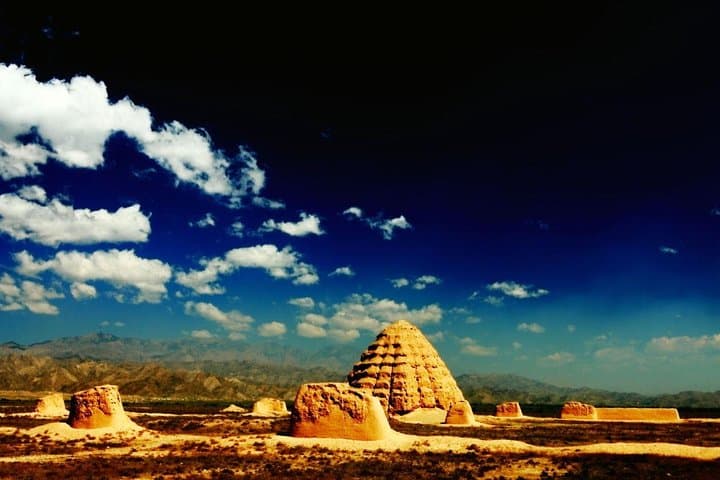
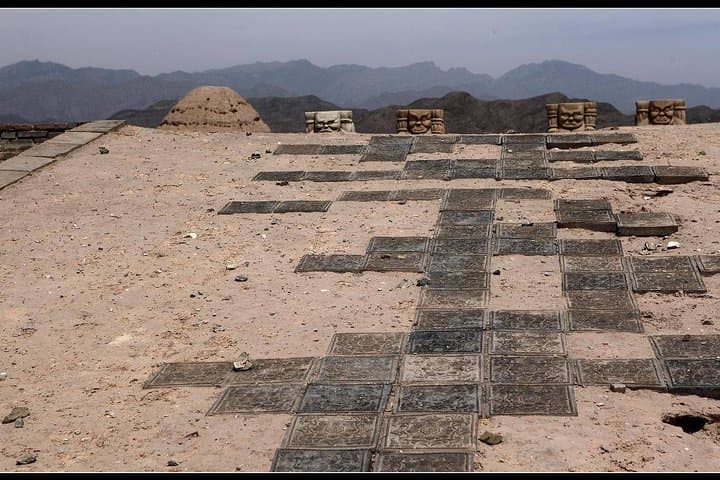
A low, rolling ridge of earth and stone rises from Ningxia’s dry steppe like a record of a distant court — wind pushes tufts of grass across broken tiles while carved stone horses stare toward the horizon.
Verified experiences and guided adventures in the surrounding area.
Operated by Unique Beijing Tours · Yinchuan, Ningxia
A low, rolling ridge of earth and stone rises from Ningxia’s dry steppe like a record of a distant court — wind pushes tufts of grass across broken tiles while carved stone horses stare toward the horizon.
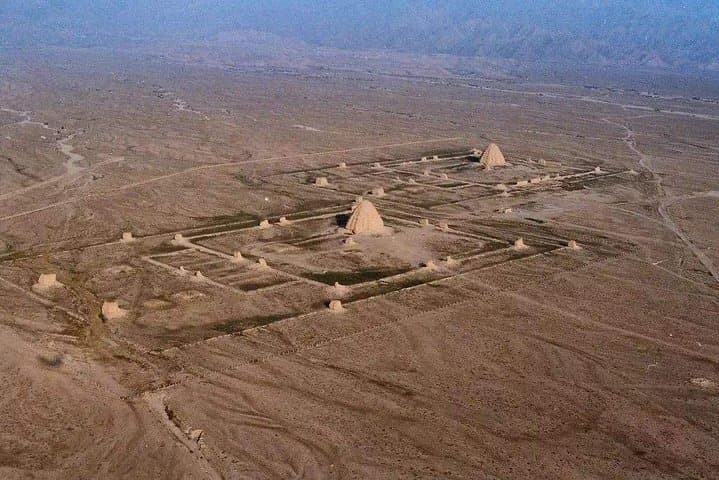
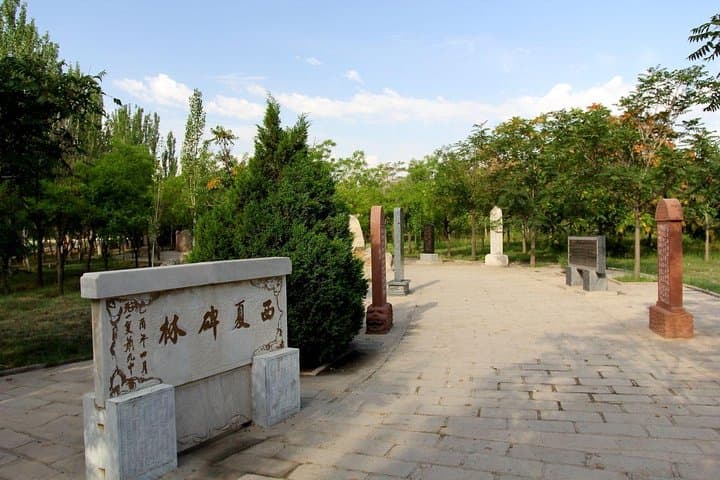
On this private day trip from Yinchuan you'll move between curated museum galleries, an open tablet forest, and the compact grandeur of the Western Xia imperial mausoleums. The route lays out Tangut civilization’s story: a 11th–13th century dynasty that fused nomadic steppe practices with settled construction techniques. Geologically, the site sits at the northern edge of the Helan range where loess and alluvial deposits preserve graves and kilns; the earth here is soft, prone to wind scouring, which both exposes and endangers fragile brickwork.
Culturally, the tombs reveal a hybrid society — Buddhist sutras, funerary statues, and distinctive Tangut script carved into stone. Local guides frame the landscape: where masons set platforms, where kiln sites supplied funerary tile, and why the layout mirrors both ritual and defense.
Practical note: the visit is low-impact walking over compacted dirt, limited stairs into select tombs, and exposed sun. Bring sun protection and a reusable water bottle. The tour includes an English guide, entrance fees, private transport and a local lunch; flexible departures mean you can pick morning or afternoon light for photography. Stay on designated paths, respect signage, and be prepared for sudden winds — the site’s atmosphere shifts quickly from quiet to brisk, keeping the past sharply present.
easy.
4–6 hours.
Suitable for light-activity travelers who can walk 1–3 miles on uneven ground and climb short steps.
Yes — pickup and drop-off from hotels in Yinchuan city are included for the private tour.
Entrance fees are included and you’ll receive a local lunch or dinner depending on your departure time.
The tour is rated easy and infants can use strollers in some areas; however some tomb platforms have steps and uneven ground.
An English-speaking guide is provided for the private excursion to explain history, artifacts and site layout.
The Western Xia (1038–1227) were a Tangut-led state whose imperial mausoleums record a blend of nomadic funerary practice and settled architectural craft.
The site is sensitive to erosion and visitor impact; staying on trails, avoiding climbing on ruins and minimizing waste helps preserve fragile brickwork and inscriptions.
Unique Beijing Tours operates guided outdoor trips and adventures with an emphasis on safety, stewardship, and memorable experiences.
A low, rolling ridge of earth and stone rises from Ningxia’s dry steppe like a record of a distant court — wind pushes tufts of grass across broken tiles while carved stone horses stare toward the horizon.
A low, rolling ridge of earth and stone rises from Ningxia’s dry steppe like a record of a distant court — wind pushes tufts of grass across broken tiles while carved stone horses stare toward the horizon.
On this private day trip from Yinchuan you'll move between curated museum galleries, an open tablet forest, and the compact grandeur of the Western Xia imperial mausoleums. The route lays out Tangut civilization’s story: a 11th–13th century dynasty that fused nomadic steppe practices with settled construction techniques. Geologically, the site sits at the northern edge of the Helan range where loess and alluvial deposits preserve graves and kilns; the earth here is soft, prone to wind scouring, which both exposes and endangers fragile brickwork.
Culturally, the tombs reveal a hybrid society — Buddhist sutras, funerary statues, and distinctive Tangut script carved into stone. Local guides frame the landscape: where masons set platforms, where kiln sites supplied funerary tile, and why the layout mirrors both ritual and defense.
Practical note: the visit is low-impact walking over compacted dirt, limited stairs into select tombs, and exposed sun. Bring sun protection and a reusable water bottle. The tour includes an English guide, entrance fees, private transport and a local lunch; flexible departures mean you can pick morning or afternoon light for photography. Stay on designated paths, respect signage, and be prepared for sudden winds — the site’s atmosphere shifts quickly from quiet to brisk, keeping the past sharply present.