THE ADVENTURE COLLECTIVE® · Independent discovery and booking for outdoor travel

Glide across Lake Titicaca to the hand-built Uros Floating Islands on this three-hour boat excursion from Puno. Meet reed-weaving families, try a totora canoe, and climb a viewing tower for wide highland lake views.
Glide across Lake Titicaca to the hand-built Uros Floating Islands on this three-hour boat excursion from Puno. Meet reed-weaving families, try a totora canoe, and climb a viewing tower for wide highland lake views.
The motorboat pulls away from Puno’s port and Lake Titicaca widens, silver and steady under a high Andean sky. Totora reeds rim the nearest islands like a soft wall; on top, houses and walkways rise in shades of ochre and blue. The air feels thin and crisp—each breath reminds visitors they’re on the highest navigable lake on Earth.
Verified experiences and guided adventures in the surrounding area.
Operated by Titicaca Tours · Puno, Puno
The motorboat pulls away from Puno’s port and Lake Titicaca widens, silver and steady under a high Andean sky. Totora reeds rim the nearest islands like a soft wall; on top, houses and walkways rise in shades of ochre and blue. The air feels thin and crisp—each breath reminds visitors they’re on the highest navigable lake on Earth.
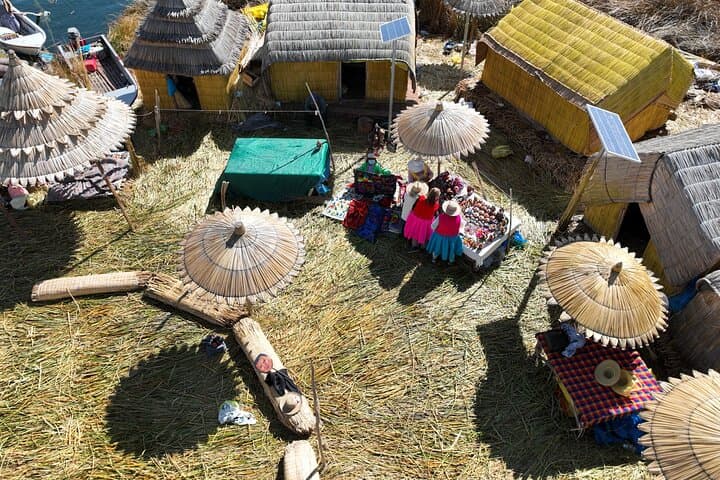
The Uros islands are living structures built from layers of cut totora reed, a practice predating the Inca era. Islanders maintain and replace reed foundations continually, a craft tied to subsistence fishing, reed harvesting, and barter. Geologically, Titicaca occupies a high plateau basin carved by tectonic uplift and glacial action; culturally it has long been a center of Andean cosmology and trade.
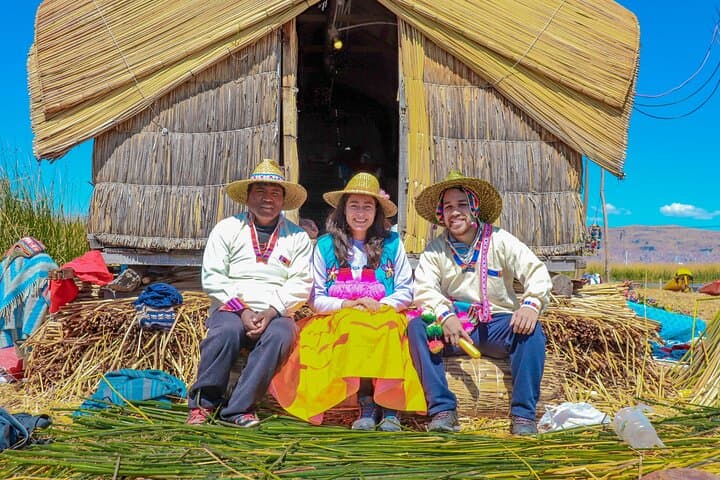
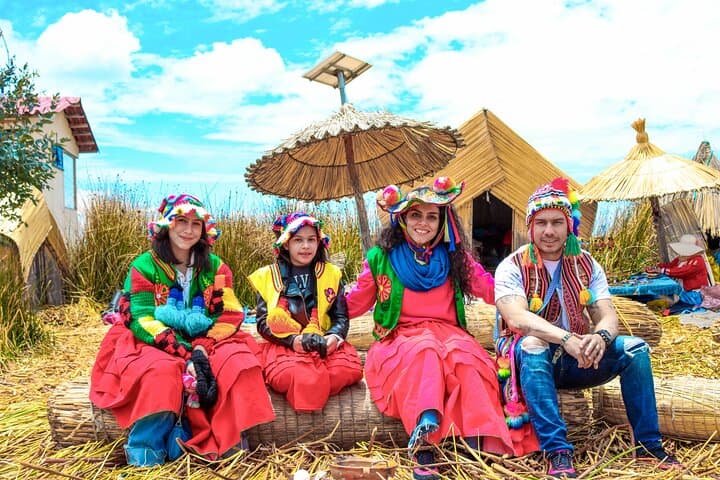
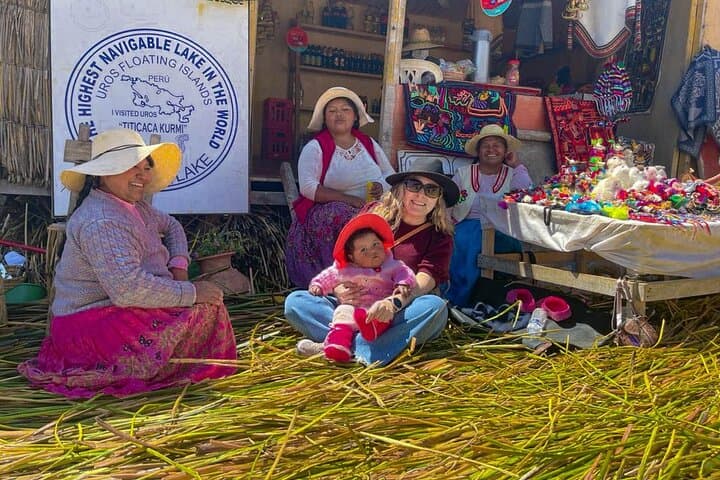
On a half-day tour from Puno, guides walk groups through reed pathways, demonstrate island-building techniques, and introduce local families who still fish and weave. A short optional ride in a hand-crafted totora canoe gives a tactile sense of the lake’s buoyancy, while a climb up a simple viewing tower rewards with broad, wind-carved panoramas.
Practical notes: the trip is short (about three hours) and mostly low-impact walking on uneven reed surfaces. Dress in layers to handle sun, wind, and sudden temperature drops. Carry small-change in soles for a totora-boat ride or refreshments, and bring a reusable bag for any purchases to limit plastic waste. Expect friendly, direct interactions with hosts; follow local requests for photos and support island families by buying crafts or paying for extras. This is a compact cultural encounter best scheduled in the morning for calmer water and softer light.
easy.
3 hours.
Light — suitable for most people who can manage short, uneven walks and boarding a low boat
The round-trip experience, including time on two islands, runs about three hours; actual boat time is roughly 30–45 minutes each way depending on the landing site.
Lake Titicaca is around 3,800 m (12,500 ft); mild symptoms are common—hydrate, move slowly, avoid heavy exertion before the tour, and consult a doctor if you’re prone to severe altitude sickness.
The motorboat has basic facilities and some islands offer simple toilets or arrange access at the dock; bring hand sanitizer and small toilet paper packets just in case.
Most small transactions on the islands are cash (Peruvian soles); cards are typically not accepted for optional rides or small purchases.
The Uros constructed floating reed islands centuries ago as a defensive and practical response to intergroup pressures; the tradition survives in living crafts and communal life.
Reed beds are harvested cyclically and require ongoing maintenance; responsible tourism—minimizing plastic and supporting island livelihoods—helps preserve both culture and habitat.
Titicaca Tours operates guided outdoor trips and adventures with an emphasis on safety, stewardship, and memorable experiences.
The motorboat pulls away from Puno’s port and Lake Titicaca widens, silver and steady under a high Andean sky. Totora reeds rim the nearest islands like a soft wall; on top, houses and walkways rise in shades of ochre and blue. The air feels thin and crisp—each breath reminds visitors they’re on the highest navigable lake on Earth.
The motorboat pulls away from Puno’s port and Lake Titicaca widens, silver and steady under a high Andean sky. Totora reeds rim the nearest islands like a soft wall; on top, houses and walkways rise in shades of ochre and blue. The air feels thin and crisp—each breath reminds visitors they’re on the highest navigable lake on Earth.
The Uros islands are living structures built from layers of cut totora reed, a practice predating the Inca era. Islanders maintain and replace reed foundations continually, a craft tied to subsistence fishing, reed harvesting, and barter. Geologically, Titicaca occupies a high plateau basin carved by tectonic uplift and glacial action; culturally it has long been a center of Andean cosmology and trade.
On a half-day tour from Puno, guides walk groups through reed pathways, demonstrate island-building techniques, and introduce local families who still fish and weave. A short optional ride in a hand-crafted totora canoe gives a tactile sense of the lake’s buoyancy, while a climb up a simple viewing tower rewards with broad, wind-carved panoramas.
Practical notes: the trip is short (about three hours) and mostly low-impact walking on uneven reed surfaces. Dress in layers to handle sun, wind, and sudden temperature drops. Carry small-change in soles for a totora-boat ride or refreshments, and bring a reusable bag for any purchases to limit plastic waste. Expect friendly, direct interactions with hosts; follow local requests for photos and support island families by buying crafts or paying for extras. This is a compact cultural encounter best scheduled in the morning for calmer water and softer light.