THE ADVENTURE COLLECTIVE® · Independent discovery and booking for outdoor travel

A half-day exploration along the Puuc Route that combines short jungle hikes with visits to three lesser-known Maya sites. Expect carved limestone architecture, humid forest trails, and a moderate amount of walking—ideal for travelers wanting active archaeology without camping.
A half-day exploration along the Puuc Route that combines short jungle hikes with visits to three lesser-known Maya sites. Expect carved limestone architecture, humid forest trails, and a moderate amount of walking—ideal for travelers wanting active archaeology without camping.
You step out of the air-conditioned minivan and the jungle takes a breath—humid, green, and full of bird calls. The trail slips between low limestone ridges of the Puuc hills, chest-deep canopy giving way to sudden clearings where carved stone façades appear like half-buried stories. This is a day trip that pairs a short, hands-on hike with vehicle transfers along the Puuc Route, moving from roadside viewpoints to three discrete trails that each end at a ruined palace or temple.
Verified experiences and guided adventures in the surrounding area.
Operated by Roger Lara · Uxmal, Yucatán
You step out of the air-conditioned minivan and the jungle takes a breath—humid, green, and full of bird calls. The trail slips between low limestone ridges of the Puuc hills, chest-deep canopy giving way to sudden clearings where carved stone façades appear like half-buried stories. This is a day trip that pairs a short, hands-on hike with vehicle transfers along the Puuc Route, moving from roadside viewpoints to three discrete trails that each end at a ruined palace or temple.
The Puuc region of Yucatán is defined by a late-classic Maya architectural style: smooth limestone walls topped with intricate mosaic friezes and stone masks. Geologically, the landscape is karst—porous limestone with thin soils—so trails are often rocky, with short stone steps carved into slopes. Culturally the sites reflect a period of regional city-states where artisans focused on façade ornamentation rather than massive pyramids.
Expect 3–5 km of walking total, mostly on single-track dirt and packed stone, and modest cumulative elevation gain (~100 m). Wildlife nudges the edge of the trail—coatis and tropical birds are common; larger mammals are shy. Guided pacing is relaxed but requires steady footing and a moderate fitness level.
Practical guidance: wear sturdy shoes with good grip, bring 2 liters of water, apply insect repellent, and time the visit for the cooler morning hours to avoid midday heat. Rain can make limestone slick; a quick-dry rain jacket and layered sun protection keep you comfortable. With a mix of archaeology, short jungle walks, and vehicle transfers, this trip suits travelers who want close-up ruins without a multiday trek.
moderate.
6 hours.
Moderate—comfortable walking on uneven ground for several short hikes and climbing stone steps
Walking totals roughly 3–5 km spread across three short trails; most of the six-hour tour includes vehicle transfers between sites.
Sites are reached by short jungle trails with stone steps and uneven surfaces; no technical climbing is required, but mobility and stable footing are necessary.
The tour is private and paced, but it’s not recommended for travelers with serious spinal, heart, or mobility issues; children should be supervised on uneven terrain.
Common sightings include tropical birds, coatis, and iguanas; larger mammals like jaguar are extremely rare and generally not seen on daytime trips.
The Puuc sites date to the Late Classic period (c. 600–900 CE) and are noted for ornate stone mosaics and facade decoration rather than towering pyramids.
The fragile karst terrain and thin soils mean erosion is a concern; stay on marked paths and avoid climbing on fragile masonry to limit damage.
Roger Lara operates guided outdoor trips and adventures with an emphasis on safety, stewardship, and memorable experiences.
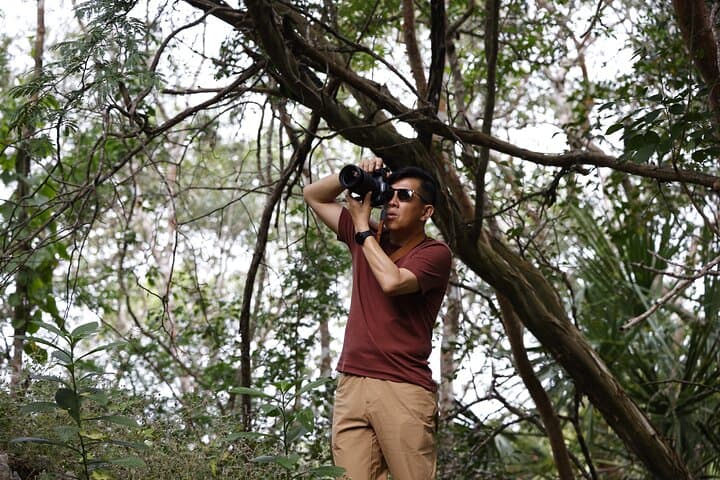
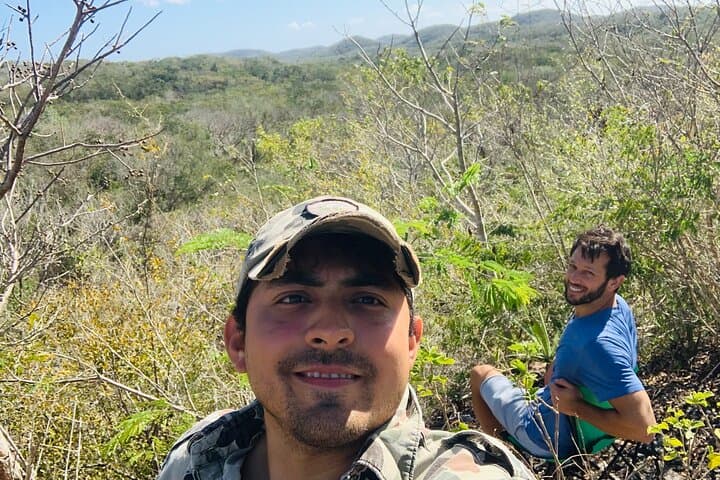

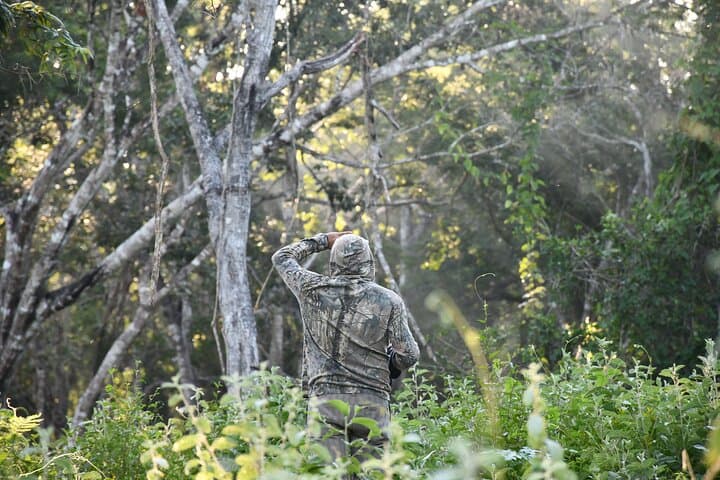
You step out of the air-conditioned minivan and the jungle takes a breath—humid, green, and full of bird calls. The trail slips between low limestone ridges of the Puuc hills, chest-deep canopy giving way to sudden clearings where carved stone façades appear like half-buried stories. This is a day trip that pairs a short, hands-on hike with vehicle transfers along the Puuc Route, moving from roadside viewpoints to three discrete trails that each end at a ruined palace or temple.
You step out of the air-conditioned minivan and the jungle takes a breath—humid, green, and full of bird calls. The trail slips between low limestone ridges of the Puuc hills, chest-deep canopy giving way to sudden clearings where carved stone façades appear like half-buried stories. This is a day trip that pairs a short, hands-on hike with vehicle transfers along the Puuc Route, moving from roadside viewpoints to three discrete trails that each end at a ruined palace or temple.
The Puuc region of Yucatán is defined by a late-classic Maya architectural style: smooth limestone walls topped with intricate mosaic friezes and stone masks. Geologically, the landscape is karst—porous limestone with thin soils—so trails are often rocky, with short stone steps carved into slopes. Culturally the sites reflect a period of regional city-states where artisans focused on façade ornamentation rather than massive pyramids.
Expect 3–5 km of walking total, mostly on single-track dirt and packed stone, and modest cumulative elevation gain (~100 m). Wildlife nudges the edge of the trail—coatis and tropical birds are common; larger mammals are shy. Guided pacing is relaxed but requires steady footing and a moderate fitness level.
Practical guidance: wear sturdy shoes with good grip, bring 2 liters of water, apply insect repellent, and time the visit for the cooler morning hours to avoid midday heat. Rain can make limestone slick; a quick-dry rain jacket and layered sun protection keep you comfortable. With a mix of archaeology, short jungle walks, and vehicle transfers, this trip suits travelers who want close-up ruins without a multiday trek.