THE ADVENTURE COLLECTIVE® · Independent discovery and booking for outdoor travel

Wander 250 acres of living collections at the New York Botanical Garden with an All‑Garden Pass. See the Enid A. Haupt Conservatory, ride the tram, and catch seasonal highlights like pumpkin carving and Kiku chrysanthemums.
Wander 250 acres of living collections at the New York Botanical Garden with an All‑Garden Pass. See the Enid A. Haupt Conservatory, ride the tram, and catch seasonal highlights like pumpkin carving and Kiku chrysanthemums.
Step through a stone gateway into 250 acres where cultivated beds and a shaded old-growth forest trade stories. Morning light hits the Enid A. Haupt Conservatory’s glass domes and a tram hums past lawns of monumental sunflowers; leaves in the Thain Family Forest rustle like a low conversation, and pumpkin sculptures appear each October as if the season itself took up carving.
Verified experiences and guided adventures in the surrounding area.
Operated by The New York Botanical Garden · Bronx, New York
Step through a stone gateway into 250 acres where cultivated beds and a shaded old-growth forest trade stories. Morning light hits the Enid A. Haupt Conservatory’s glass domes and a tram hums past lawns of monumental sunflowers; leaves in the Thain Family Forest rustle like a low conversation, and pumpkin sculptures appear each October as if the season itself took up carving.
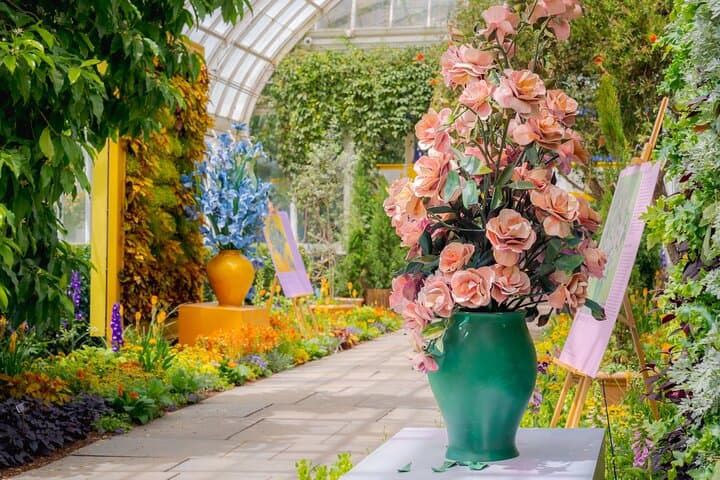
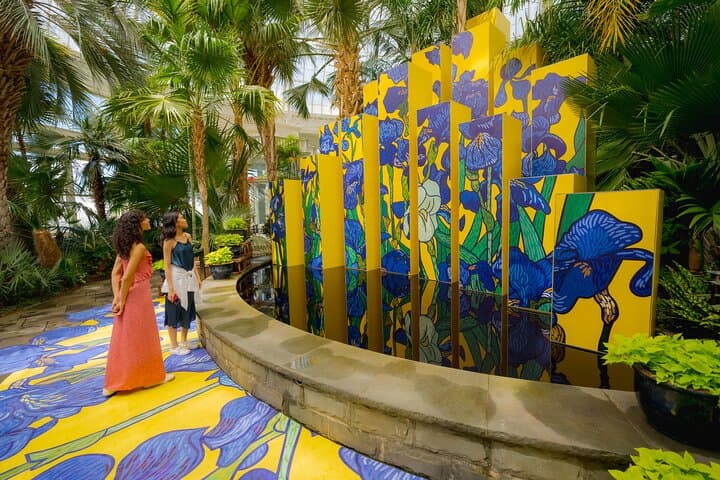
Founded in 1891, the Garden pairs turn-of-the-century glasshouse architecture with living collections that support research and public education. Bedrock here is the glacial moraine of the Bronx; soil and microclimates made this plot ideal for both temperate garden rooms and hardy native-plantings. Cultural programming—like Van Gogh’s Flowers installations, Kiku chrysanthemums, and master carver events—draws artists into horticulture, while the Mertz Library houses botanical scholarship few visitors see.
Practical guidance: the All‑Garden Pass grants daytime access to the Conservatory, Tram Tour, and 50 gardens and collections; expect to cover 1.5–3 miles depending on route. Plan 2–3 hours to sample highlights, longer if you linger in exhibits. Paths are mostly paved but can be uneven in forested sections; the tram shortens walks and is included. Arrive early for cooler light and fewer crowds, or time a fall visit for peak foliage and the pumpkin display. Public transit is convenient—Metro‑North’s Botanical Garden station and several city buses stop nearby—and there are accessible gates and stroller-friendly routes. Bring a refillable water bottle, comfortable shoes, and a light layer for the Conservatory’s humid interior. Stick to marked paths and leave plants intact; the Garden’s research and conservation work depends on respectful visitation.
easy.
2–3 hours.
Suitable for most fitness levels; expect light to moderate walking over several miles if you explore multiple gardens.
Most visitors spend 2–3 hours to see highlights; plan a half day if you want to explore multiple collections and visit the conservatory.
Yes—the pass includes the Tram Tour, which helps cover the larger grounds and reduces walking time.
Only service animals are permitted on Garden grounds; pets are not allowed to protect collections and visitor safety.
Yes—many paths, entrances, and transportation options are wheelchair accessible, and the Conservatory and tram accommodate mobility needs.
Founded in 1891, the New York Botanical Garden combines a landmark conservatory built in the early 20th century with living collections that support botanical research and public education.
The Garden runs active plant conservation and research programs, manages the Thain Family Forest as a rare urban old-growth remnant, and asks visitors to stay on paths to protect sensitive beds.
The New York Botanical Garden operates guided outdoor trips and adventures with an emphasis on safety, stewardship, and memorable experiences.


Step through a stone gateway into 250 acres where cultivated beds and a shaded old-growth forest trade stories. Morning light hits the Enid A. Haupt Conservatory’s glass domes and a tram hums past lawns of monumental sunflowers; leaves in the Thain Family Forest rustle like a low conversation, and pumpkin sculptures appear each October as if the season itself took up carving.
Step through a stone gateway into 250 acres where cultivated beds and a shaded old-growth forest trade stories. Morning light hits the Enid A. Haupt Conservatory’s glass domes and a tram hums past lawns of monumental sunflowers; leaves in the Thain Family Forest rustle like a low conversation, and pumpkin sculptures appear each October as if the season itself took up carving.
Founded in 1891, the Garden pairs turn-of-the-century glasshouse architecture with living collections that support research and public education. Bedrock here is the glacial moraine of the Bronx; soil and microclimates made this plot ideal for both temperate garden rooms and hardy native-plantings. Cultural programming—like Van Gogh’s Flowers installations, Kiku chrysanthemums, and master carver events—draws artists into horticulture, while the Mertz Library houses botanical scholarship few visitors see.
Practical guidance: the All‑Garden Pass grants daytime access to the Conservatory, Tram Tour, and 50 gardens and collections; expect to cover 1.5–3 miles depending on route. Plan 2–3 hours to sample highlights, longer if you linger in exhibits. Paths are mostly paved but can be uneven in forested sections; the tram shortens walks and is included. Arrive early for cooler light and fewer crowds, or time a fall visit for peak foliage and the pumpkin display. Public transit is convenient—Metro‑North’s Botanical Garden station and several city buses stop nearby—and there are accessible gates and stroller-friendly routes. Bring a refillable water bottle, comfortable shoes, and a light layer for the Conservatory’s humid interior. Stick to marked paths and leave plants intact; the Garden’s research and conservation work depends on respectful visitation.