THE ADVENTURE COLLECTIVE® · Independent discovery and booking for outdoor travel

Explore one of Phoenix’s most distinctive cultural attractions: over 4,200 instruments, audiovisual storytelling, and a hands-on Experience Gallery. This self-guided MIM visit balances deep cultural context with practical tips for timing, accessibility, and what to bring.
Explore one of Phoenix’s most distinctive cultural attractions: over 4,200 instruments, audiovisual storytelling, and a hands-on Experience Gallery. This self-guided MIM visit balances deep cultural context with practical tips for timing, accessibility, and what to bring.
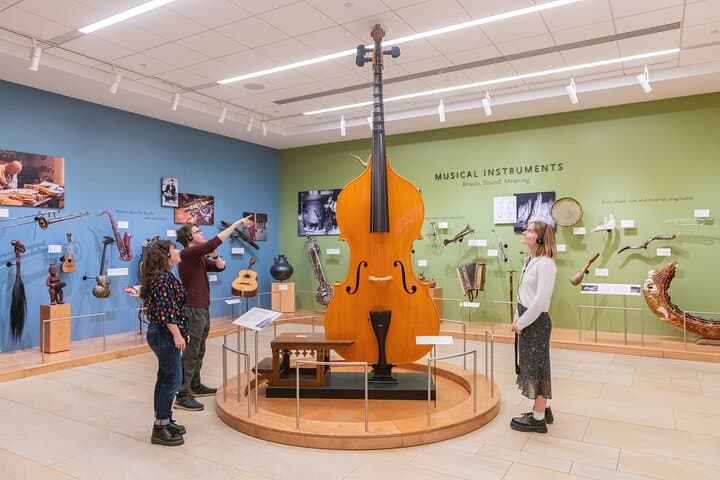
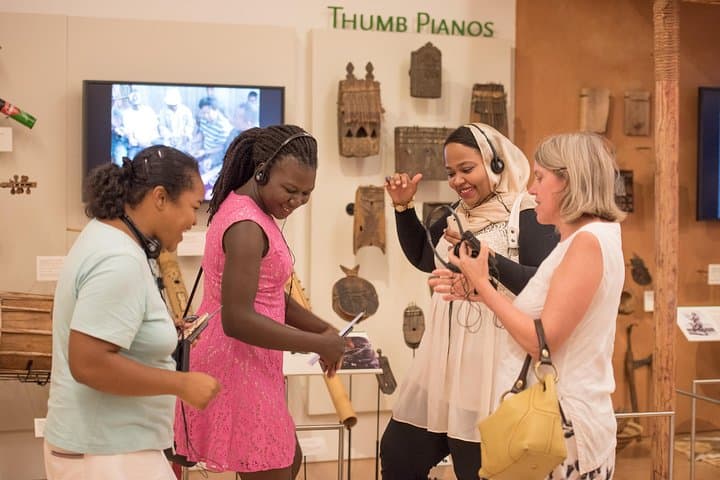
You step through a glass door and the room rearranges itself into sound: strings hum from a distant display, drums pulse behind a video wall, and a headset gives the gallery a private narrator. The Musical Instrument Museum (MIM) in Phoenix turns instruments into actors—each case a stage where cultural stories perform through audio, video, and context.
Verified experiences and guided adventures in the surrounding area.
Operated by Musical Instrument Museum · Phoenix, Arizona
You step through a glass door and the room rearranges itself into sound: strings hum from a distant display, drums pulse behind a video wall, and a headset gives the gallery a private narrator. The Musical Instrument Museum (MIM) in Phoenix turns instruments into actors—each case a stage where cultural stories perform through audio, video, and context.
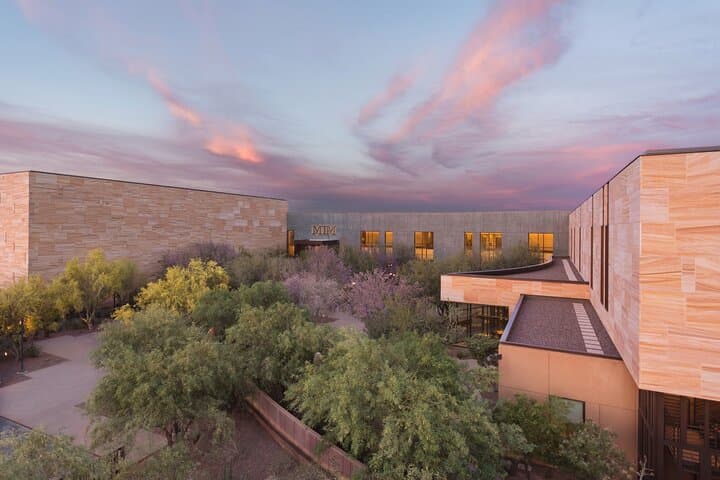
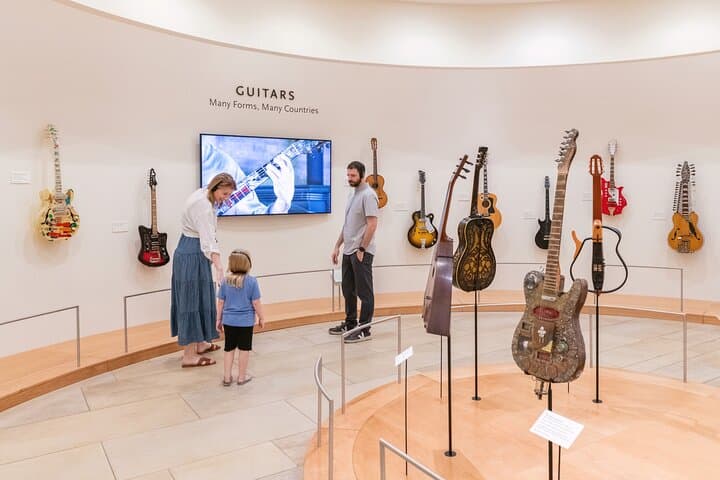
Opened in 2010, MIM grew from a private collection into an institution built to represent instruments from every nation. Exhibits move geographically and historically—West African koras beside American banjos, classical sitars near pop-era electric guitars—in a layout that emphasizes provenance and technique. The building sits on the Sonoran Basin’s gently rising plain; geology here matters as backdrop rather than plot, while local culture frames the displays: Phoenix’s growing role as a southwestern cultural crossroads makes MIM both destination and classroom.
Practical guidance: plan 3–4 hours. Check in at Guest Services for your headset and guidePORT; the audio stations are timed to the displays, so follow the numbered path to avoid backtracking. Bags larger than 18x18 inches must be checked—carry a small daypack or crossbody. The Experience Gallery invites hands-on playtime if you want to try rhythm or melody; bring patience for families during peak hours. Café Allegro offers global dishes for lunch after your tour.
Accessibility is strong: ramps, wheelchairs, and stroller access are available. Parking is free, but the museum fills midday—arrive early for quieter galleries and better photos. Whether you’re chasing music history or just curious about how sound travels across place, MIM delivers an efficient, richly layered visit.
easy.
3–4 hours.
Suitable for all fitness levels; involves standing and walking on even indoor surfaces for several hours.
Most visitors spend 3–4 hours exploring the global galleries and the Experience Gallery; shorter visits of 1–2 hours are possible if you focus on select exhibits.
Yes—strollers and children are welcome, though children must be accompanied by an adult; hands-on spaces may have age or supervision guidelines.
Yes—MIM provides wheelchair access, ramps, and accessible transportation options; request assistance at Guest Services if needed.
Food and drink are not allowed inside the galleries; the museum’s Café Allegro is available for meals and snacks before or after your tour.
MIM was founded from a private collection and opened in 2010 to present instruments within cultural context, aiming to be the world’s largest museum of its kind.
The museum emphasizes preservation of instruments and cultural stewardship, with climate-controlled cases and public programs that highlight traditional music practices to support living cultures.
Musical Instrument Museum operates guided outdoor trips and adventures with an emphasis on safety, stewardship, and memorable experiences.
You step through a glass door and the room rearranges itself into sound: strings hum from a distant display, drums pulse behind a video wall, and a headset gives the gallery a private narrator. The Musical Instrument Museum (MIM) in Phoenix turns instruments into actors—each case a stage where cultural stories perform through audio, video, and context.
You step through a glass door and the room rearranges itself into sound: strings hum from a distant display, drums pulse behind a video wall, and a headset gives the gallery a private narrator. The Musical Instrument Museum (MIM) in Phoenix turns instruments into actors—each case a stage where cultural stories perform through audio, video, and context.
Opened in 2010, MIM grew from a private collection into an institution built to represent instruments from every nation. Exhibits move geographically and historically—West African koras beside American banjos, classical sitars near pop-era electric guitars—in a layout that emphasizes provenance and technique. The building sits on the Sonoran Basin’s gently rising plain; geology here matters as backdrop rather than plot, while local culture frames the displays: Phoenix’s growing role as a southwestern cultural crossroads makes MIM both destination and classroom.
Practical guidance: plan 3–4 hours. Check in at Guest Services for your headset and guidePORT; the audio stations are timed to the displays, so follow the numbered path to avoid backtracking. Bags larger than 18x18 inches must be checked—carry a small daypack or crossbody. The Experience Gallery invites hands-on playtime if you want to try rhythm or melody; bring patience for families during peak hours. Café Allegro offers global dishes for lunch after your tour.
Accessibility is strong: ramps, wheelchairs, and stroller access are available. Parking is free, but the museum fills midday—arrive early for quieter galleries and better photos. Whether you’re chasing music history or just curious about how sound travels across place, MIM delivers an efficient, richly layered visit.