THE ADVENTURE COLLECTIVE® · Independent discovery and booking for outdoor travel

Walk beneath a six-story glass gallery of aircraft at the Museum of Flight, where Boeing roots meet space-age artifacts. This practical guide outlines what to expect, how to plan your visit, and key on-site features.
Walk beneath a six-story glass gallery of aircraft at the Museum of Flight, where Boeing roots meet space-age artifacts. This practical guide outlines what to expect, how to plan your visit, and key on-site features.
You step through glass into a six-story hall where metal birds hang like frozen conversations between past and present. Light pours through the Great Gallery, catching the polished belly of a Boeing 787 and throwing a long shadow from an M-21 Blackbird high above. The mood is part hangar, part theater: quiet close inspection, sudden collective fascination.
Verified experiences and guided adventures in the surrounding area.
Operated by The Museum of Flight · Seattle, Washington
You step through glass into a six-story hall where metal birds hang like frozen conversations between past and present. Light pours through the Great Gallery, catching the polished belly of a Boeing 787 and throwing a long shadow from an M-21 Blackbird high above. The mood is part hangar, part theater: quiet close inspection, sudden collective fascination.
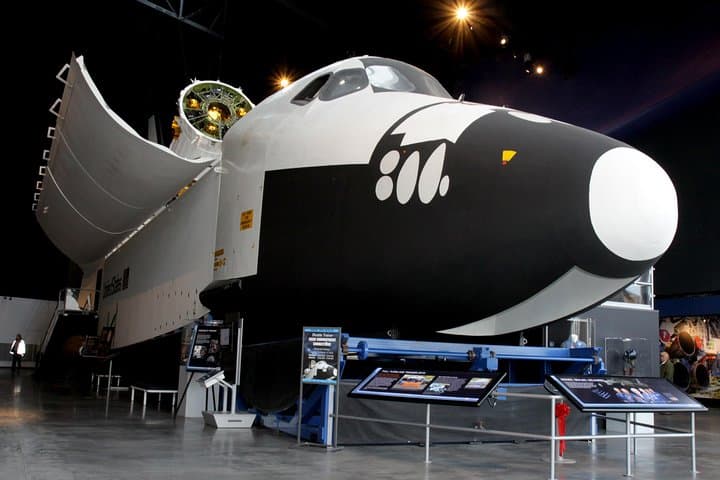
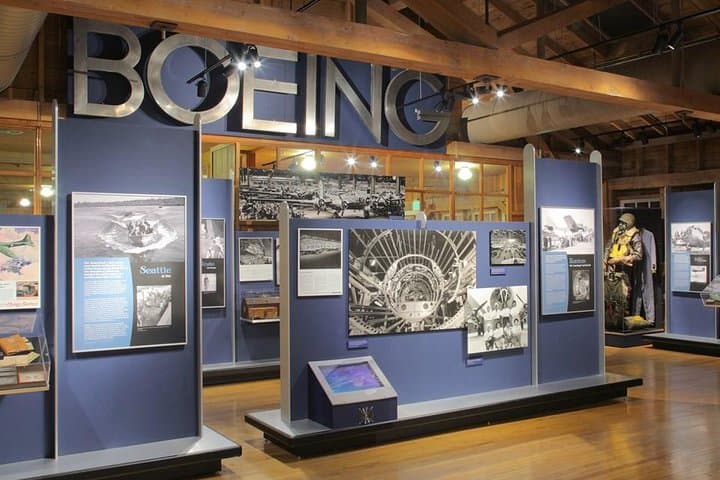
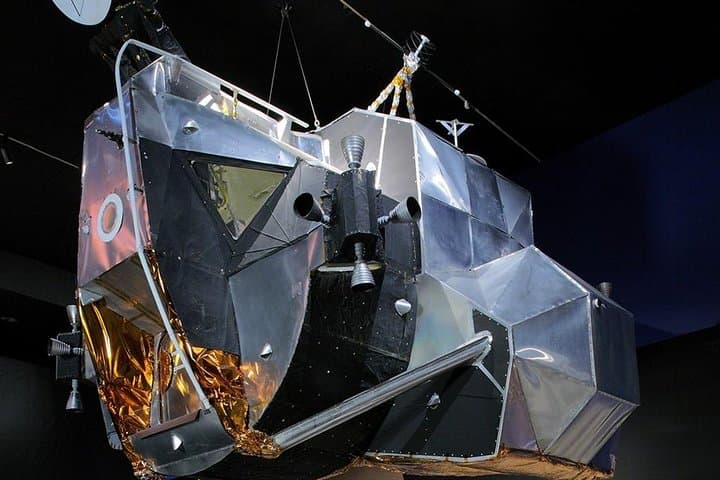
The Museum of Flight sits on Seattle’s oldest airfield and occupies buildings that include the original Boeing aircraft factory. Its collection traces commercial aviation, military flight, and the space race—from early mail planes to a Space Shuttle trainer—showing how regional industry shaped global flight.
Geology and geography matter here, too: the museum looks west toward Puget Sound and the Olympic Range, reminding visitors that Cascadian weather and maritime access helped seed Seattle’s aviation boom. Cultural threads run through exhibits of wartime aircraft, postwar commercial travel, and the immigrant engineers who built the Northwest aerospace ecosystem.
For practical planning, allocate 2–3 hours to see highlights; add time for simulators and guided tours. Tickets must be exchanged at the attraction start point and some interactive experiences may cost extra. The campus is wheelchair- and stroller-accessible, public transit reaches the site, and parking is available.
Wear comfortable shoes for wandering between hangars, bring a camera (no flash in some exhibits), and arrive early to avoid crowds. Whether you’re chasing cockpit views or the story of flight innovation, the Museum of Flight delivers an exacting, hands-on look at how we learned to lift off and look back at Earth.
easy.
2–3 hours.
Suitable for most mobility and fitness levels; expect moderate walking between exhibits and buildings.
Most guests spend 2–3 hours for highlights; allow 4+ hours if using simulators or attending demonstrations.
Yes—buildings, galleries, and many exhibits are wheelchair- and stroller-accessible; some historic aircraft cockpits are not accessible.
The museum offers scheduled tours and interpretive programs; audio guides or docent-led options may be available—check the museum schedule.
Small backpacks are allowed but security screening applies; food is typically permitted in designated dining areas, not inside exhibit halls.
Located on King County International Airport (Boeing Field), the museum grew from regional aerospace industry roots and includes buildings linked to early Boeing manufacturing.
The museum emphasizes preservation of historic aircraft and sustainable operations; visitors are encouraged to use public transit and respect exhibit conservation rules.
The Museum of Flight operates guided outdoor trips and adventures with an emphasis on safety, stewardship, and memorable experiences.
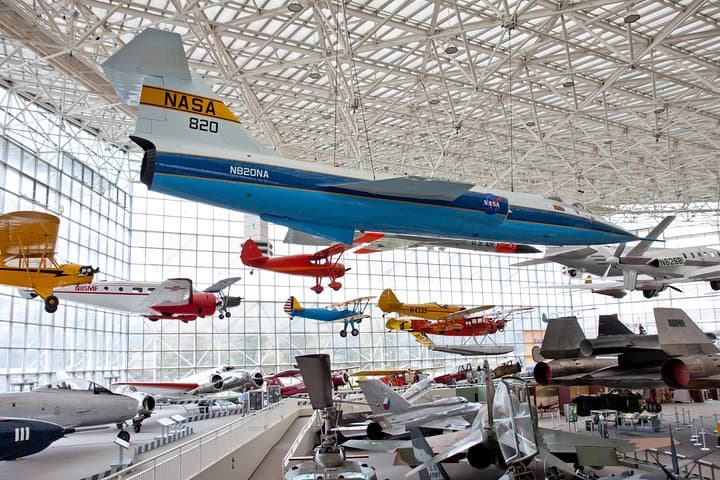
You step through glass into a six-story hall where metal birds hang like frozen conversations between past and present. Light pours through the Great Gallery, catching the polished belly of a Boeing 787 and throwing a long shadow from an M-21 Blackbird high above. The mood is part hangar, part theater: quiet close inspection, sudden collective fascination.
You step through glass into a six-story hall where metal birds hang like frozen conversations between past and present. Light pours through the Great Gallery, catching the polished belly of a Boeing 787 and throwing a long shadow from an M-21 Blackbird high above. The mood is part hangar, part theater: quiet close inspection, sudden collective fascination.
The Museum of Flight sits on Seattle’s oldest airfield and occupies buildings that include the original Boeing aircraft factory. Its collection traces commercial aviation, military flight, and the space race—from early mail planes to a Space Shuttle trainer—showing how regional industry shaped global flight.
Geology and geography matter here, too: the museum looks west toward Puget Sound and the Olympic Range, reminding visitors that Cascadian weather and maritime access helped seed Seattle’s aviation boom. Cultural threads run through exhibits of wartime aircraft, postwar commercial travel, and the immigrant engineers who built the Northwest aerospace ecosystem.
For practical planning, allocate 2–3 hours to see highlights; add time for simulators and guided tours. Tickets must be exchanged at the attraction start point and some interactive experiences may cost extra. The campus is wheelchair- and stroller-accessible, public transit reaches the site, and parking is available.
Wear comfortable shoes for wandering between hangars, bring a camera (no flash in some exhibits), and arrive early to avoid crowds. Whether you’re chasing cockpit views or the story of flight innovation, the Museum of Flight delivers an exacting, hands-on look at how we learned to lift off and look back at Earth.