THE ADVENTURE COLLECTIVE® · Independent discovery and booking for outdoor travel

Swim three distinct cenotes on a half-day loop from Mérida — open pools, a semi-open sinkhole and a shadowed cavern — while learning the geological and cultural stories of the Ring of Cenotes. Practical tips and what to pack for clear-water swimming and good photos.
Swim three distinct cenotes on a half-day loop from Mérida — open pools, a semi-open sinkhole and a shadowed cavern — while learning the geological and cultural stories of the Ring of Cenotes. Practical tips and what to pack for clear-water swimming and good photos.
You step off the shaded van and feel the air change — cooler, mineral-scented, the forest floor damp underfoot. A narrow path leads to a sinkhole where sunlight pours like a ladder into an inland pool; below, the water is impossibly clear, reflecting limestone walls and suspended shafts of light. Nearby, a half-open cenote keeps its secrets in a cathedral of stalactites; a cavern cenote waits in shadow, its surface broken by bats and the occasional school of small fish.
Verified experiences and guided adventures in the surrounding area.
Operated by Nojoch Tours · Mérida, Yucatán
You step off the shaded van and feel the air change — cooler, mineral-scented, the forest floor damp underfoot. A narrow path leads to a sinkhole where sunlight pours like a ladder into an inland pool; below, the water is impossibly clear, reflecting limestone walls and suspended shafts of light. Nearby, a half-open cenote keeps its secrets in a cathedral of stalactites; a cavern cenote waits in shadow, its surface broken by bats and the occasional school of small fish.
These cenotes sit on the Ring of Cenotes, a scar ringed by collapse features tied to the ancient Chicxulub impact and the porous limestone karst of the Yucatán Peninsula. For millennia the Maya treated these wells as portals — sources of water and ritual — and today communities manage many sites, combining local hospitality with conservation.
The standard tour from Mérida mixes short guided walks, a scenic miniature train or bike transfer through leafy lanes, and three contrasting swims: open, semi-open and cavern. Guides usually provide basic snorkeling gear and a meal of Yucatecan dishes at a local restaurant.
Practical notes: arrive with biodegradable sunscreen, water shoes, and a waterproof camera; expect uneven stone steps and wet surfaces; lockers may be limited. Midday is brightest for photography, but mornings are cooler and less crowded. Stay hydrated, follow guide instructions around fragile formations, and plan for a half- to full-day outing from Mérida.
moderate.
5–6 hours.
Moderate fitness—able to walk on uneven terrain, climb steps and swim short distances.
Yes—roundtrip air-conditioned transport from Mérida hotels is typically included in the tour price.
Many cenotes are family-friendly, but infants may need to sit on laps and shallow entry points vary—check guide advice and supervise children closely.
Yes; basic snorkeling is allowed in open and semi-open cenotes—bring your own mask or use provided equipment when available.
Cenote access and transfers often involve stairs and uneven terrain; tours usually advise against participation for pregnant travelers or those with serious back or cardiovascular conditions.
The Ring of Cenotes aligns with fractures from the Chicxulub impact; cenotes also held central roles in Maya water supply and ritual life.
Tours encourage no-sunscreen-in-water rules and local guide stewardship; avoid touching rock formations and pack out litter to protect delicate aquifers.
Nojoch Tours operates guided outdoor trips and adventures with an emphasis on safety, stewardship, and memorable experiences.
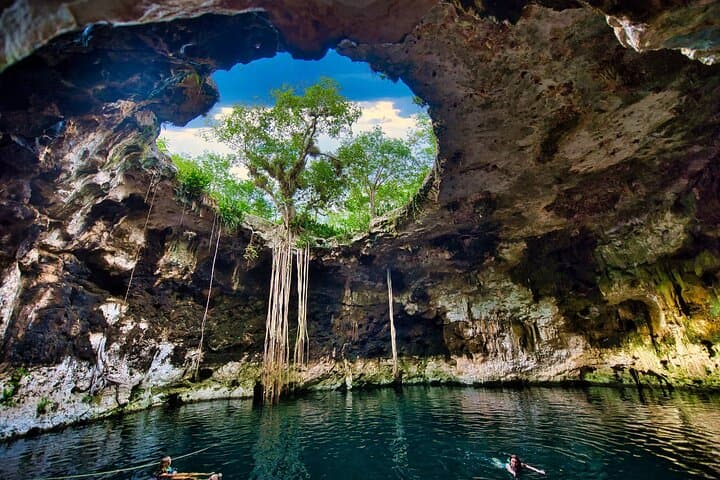
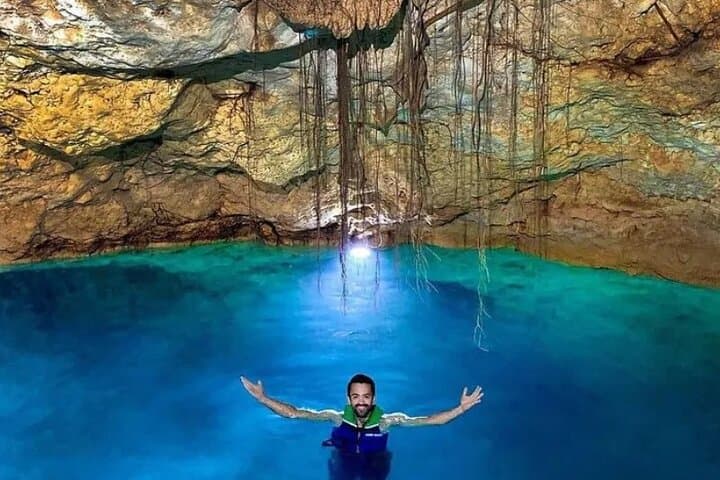
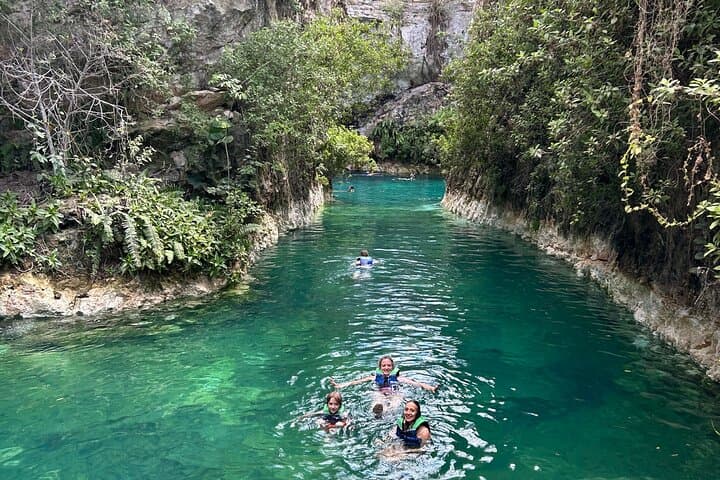
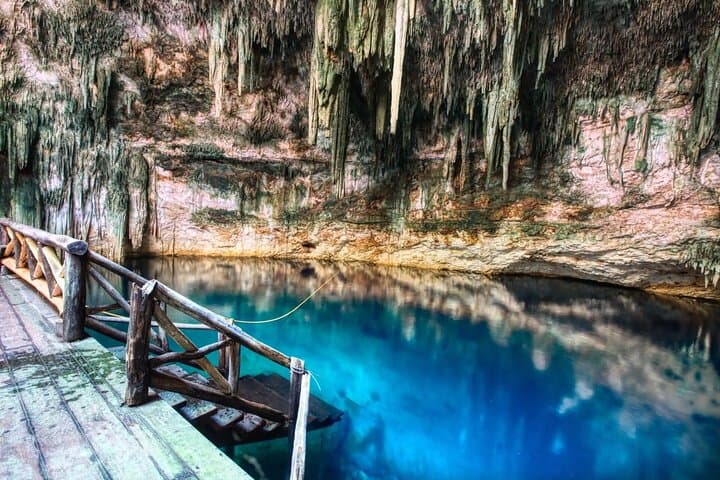
You step off the shaded van and feel the air change — cooler, mineral-scented, the forest floor damp underfoot. A narrow path leads to a sinkhole where sunlight pours like a ladder into an inland pool; below, the water is impossibly clear, reflecting limestone walls and suspended shafts of light. Nearby, a half-open cenote keeps its secrets in a cathedral of stalactites; a cavern cenote waits in shadow, its surface broken by bats and the occasional school of small fish.
You step off the shaded van and feel the air change — cooler, mineral-scented, the forest floor damp underfoot. A narrow path leads to a sinkhole where sunlight pours like a ladder into an inland pool; below, the water is impossibly clear, reflecting limestone walls and suspended shafts of light. Nearby, a half-open cenote keeps its secrets in a cathedral of stalactites; a cavern cenote waits in shadow, its surface broken by bats and the occasional school of small fish.
These cenotes sit on the Ring of Cenotes, a scar ringed by collapse features tied to the ancient Chicxulub impact and the porous limestone karst of the Yucatán Peninsula. For millennia the Maya treated these wells as portals — sources of water and ritual — and today communities manage many sites, combining local hospitality with conservation.
The standard tour from Mérida mixes short guided walks, a scenic miniature train or bike transfer through leafy lanes, and three contrasting swims: open, semi-open and cavern. Guides usually provide basic snorkeling gear and a meal of Yucatecan dishes at a local restaurant.
Practical notes: arrive with biodegradable sunscreen, water shoes, and a waterproof camera; expect uneven stone steps and wet surfaces; lockers may be limited. Midday is brightest for photography, but mornings are cooler and less crowded. Stay hydrated, follow guide instructions around fragile formations, and plan for a half- to full-day outing from Mérida.