THE ADVENTURE COLLECTIVE® · Independent discovery and booking for outdoor travel

Walk through Malta’s geological story at the Limestone Heritage Park and Gardens in Siggiewi. Expect an audio-guided tour, live stonework demos, a Punic tomb and citrus gardens—ideal for a 1–3 hour cultural half-day.
Walk through Malta’s geological story at the Limestone Heritage Park and Gardens in Siggiewi. Expect an audio-guided tour, live stonework demos, a Punic tomb and citrus gardens—ideal for a 1–3 hour cultural half-day.
You step off the lane and the limestone landscape opens like a weathered map: dry stone walls cut into terraces, a citrus orchard scenting the air, and a compact museum built from the same pale rock that shaped Malta’s identity.
Verified experiences and guided adventures in the surrounding area.
Operated by Robert Arrigo & Sons · Siggiewi, Malta
You step off the lane and the limestone landscape opens like a weathered map: dry stone walls cut into terraces, a citrus orchard scenting the air, and a compact museum built from the same pale rock that shaped Malta’s identity.
The Limestone Heritage Park and Gardens in Siggiewi traces 7,000 years of local life — from prehistoric quarrying through Phoenician and Punic use to modern stonecraft. Inside, an audio-visual presentation (available in 17 languages) and an audio-guided walkthrough orient you to the geology: the island’s Globigerina and Coralline limestones that built its architecture and fed its economy.
Culturally, this family-run site emphasizes living craft. Watch stonemasons carve columns and balconies much as they have for centuries; explore a Punic tomb dated to around 400 B.C.; wander the citrus terraces and a small farm where domestic animals punctuate the quiet.
Practical visit notes: allow 1–3 hours depending on interest in demonstrations and the museum. Most paths are level and wheelchair accessible, and the last entry is 30 minutes before closing. Peak sun in summer is strong—shade is limited in the outdoor exhibits—so plan morning or late-afternoon visits for cooler light and better photos.
Combine the visit with nearby Mdina or the Dingli Cliffs for broader context on Malta’s limestone story. The site is compact but rich: bring water, a sun hat, and time to watch a stoneworker turn raw rock into familiar Maltese details.
easy.
1–3 hours.
Suitable for all fitness levels; involves easy walking on level paths and short steps
No; food and drinks are available for purchase on site but are not included in the ticket price.
Yes; surfaces and routes are wheelchair accessible and the site notes stroller access as well.
The audio-visual presentation and audio-guided walkthrough are offered in 17 languages to accommodate international visitors.
Most visitors spend 1–3 hours depending on interest in the museum, live demonstrations and the gardens.
The site showcases Malta’s reliance on local Globigerina limestone — quarried and carved for millennia — and highlights a Punic-era burial on the grounds.
The park promotes traditional stonecraft and conservation of quarrying heritage while managing gardens with Mediterranean water-saving practices.
Robert Arrigo & Sons operates guided outdoor trips and adventures with an emphasis on safety, stewardship, and memorable experiences.
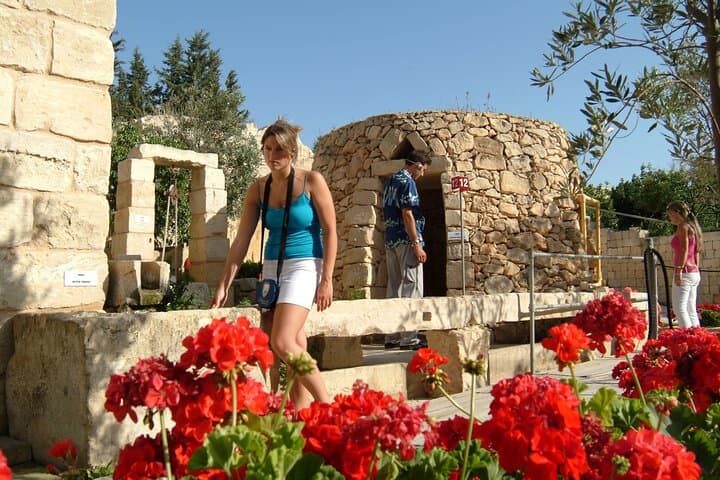
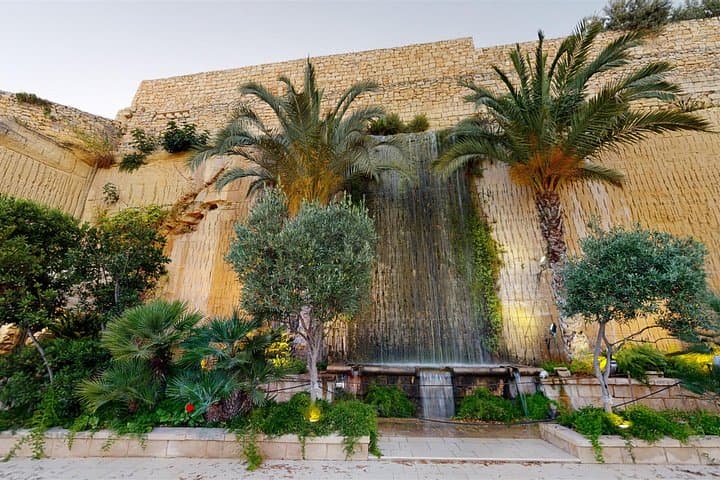
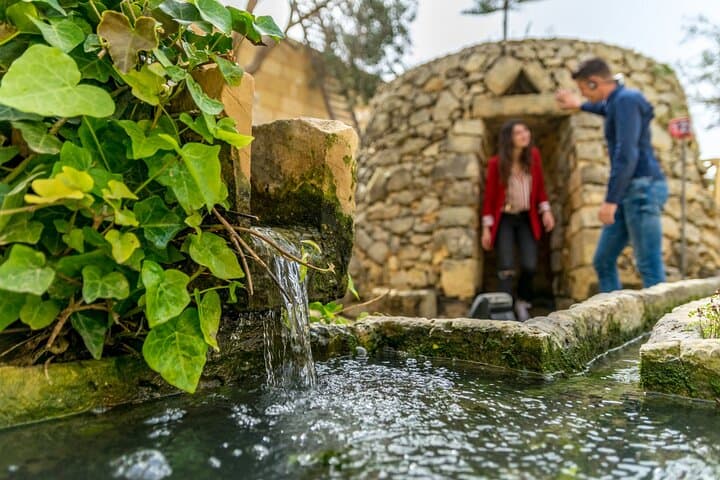

You step off the lane and the limestone landscape opens like a weathered map: dry stone walls cut into terraces, a citrus orchard scenting the air, and a compact museum built from the same pale rock that shaped Malta’s identity.
You step off the lane and the limestone landscape opens like a weathered map: dry stone walls cut into terraces, a citrus orchard scenting the air, and a compact museum built from the same pale rock that shaped Malta’s identity.
The Limestone Heritage Park and Gardens in Siggiewi traces 7,000 years of local life — from prehistoric quarrying through Phoenician and Punic use to modern stonecraft. Inside, an audio-visual presentation (available in 17 languages) and an audio-guided walkthrough orient you to the geology: the island’s Globigerina and Coralline limestones that built its architecture and fed its economy.
Culturally, this family-run site emphasizes living craft. Watch stonemasons carve columns and balconies much as they have for centuries; explore a Punic tomb dated to around 400 B.C.; wander the citrus terraces and a small farm where domestic animals punctuate the quiet.
Practical visit notes: allow 1–3 hours depending on interest in demonstrations and the museum. Most paths are level and wheelchair accessible, and the last entry is 30 minutes before closing. Peak sun in summer is strong—shade is limited in the outdoor exhibits—so plan morning or late-afternoon visits for cooler light and better photos.
Combine the visit with nearby Mdina or the Dingli Cliffs for broader context on Malta’s limestone story. The site is compact but rich: bring water, a sun hat, and time to watch a stoneworker turn raw rock into familiar Maltese details.