THE ADVENTURE COLLECTIVE® · Independent discovery and booking for outdoor travel

Discover a hidden side of Los Angeles on a 4.4‑mile, 3‑hour guided hike along the LA River and up secret stairways through Echo Park and Silver Lake. Expect river ecology, forgotten trolley lines, and panoramic city views—plus practical tips to prepare for stairs, sun, and no restrooms.
Discover a hidden side of Los Angeles on a 4.4‑mile, 3‑hour guided hike along the LA River and up secret stairways through Echo Park and Silver Lake. Expect river ecology, forgotten trolley lines, and panoramic city views—plus practical tips to prepare for stairs, sun, and no restrooms.
You step out from a covered meeting shelter, the city hiss of traffic shrinking behind you as the LA River opens—concrete channel, reed pockets, and sudden views of the Hollywood Sign framed by eucalyptus. The guide points out an old trolley embankment and a cluster of iron stairs that locals still use as shortcuts; you climb and the city rearranges itself beneath your feet.
Verified experiences and guided adventures in the surrounding area.
Operated by See LA in a Day · Los Angeles, California
You step out from a covered meeting shelter, the city hiss of traffic shrinking behind you as the LA River opens—concrete channel, reed pockets, and sudden views of the Hollywood Sign framed by eucalyptus. The guide points out an old trolley embankment and a cluster of iron stairs that locals still use as shortcuts; you climb and the city rearranges itself beneath your feet.
This route threads three stories at once: a working waterway engineered in the 1930s for flood control, neighborhoods shaped by early 20th‑century transit and housing booms, and recent urban ecology efforts led by community groups like Friends of the LA River. Geologically, the channel follows the Los Angeles River watershed cutting from the San Fernando Valley toward the basin; culturally, these hills around Echo Park and Silver Lake sheltered everything from transit corridors to experimental communities.
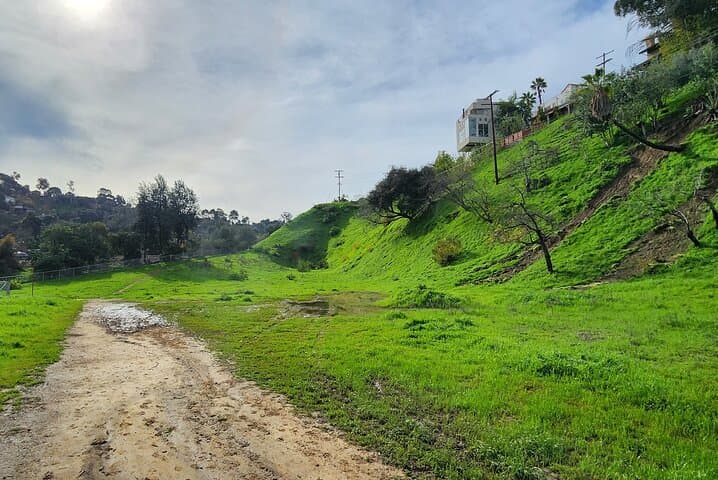
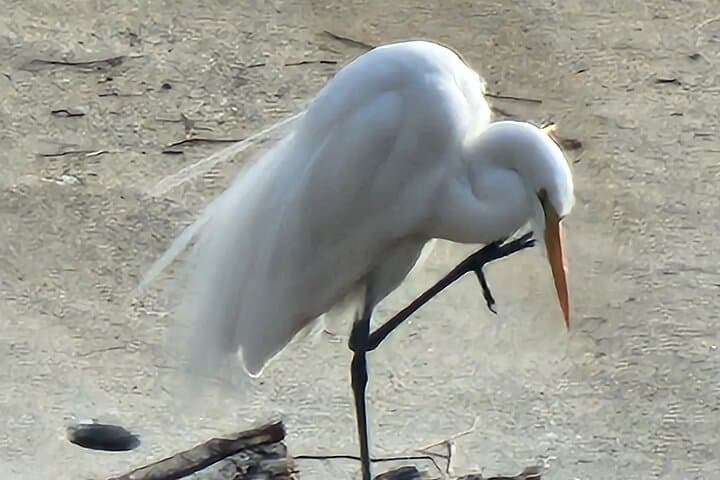
Expect 4.4 miles over roughly three hours with several staircases and short, steep hills. The walk moves between riverbanks, abandoned trolley traces, and narrow stair alleys that open onto early 1900s homes and viewpoints of Griffith Observatory. Birdwatchers will spot herons and egrets; photographers will find a hidden swing with an eastside river view.
Practical guidance: wear sturdy shoes with good grip, bring sun protection and a refillable bottle (bottled water provided), and plan to use restrooms at the meeting point—there are none along the route. Public transit reaches the start; tours run with small groups (max 10) so arrive 10 minutes early. Pace is moderate: firm footing and some stair climbing required, but no technical gear. This is an urban hike that reads like a living history lesson.
moderate.
3 hours.
Requires moderate fitness: walking 4.4 miles with several stair climbs and short steep sections
Meet at the covered building near the restrooms and parking lot indicated in your confirmation; use those facilities—there are none on the route.
It’s moderate: 4.4 miles over about three hours with several flights of stairs and short steep climbs; basic mobility is required.
Not recommended for standard strollers due to stairs and narrow paths; older children who can handle stairs are fine.
Photography is encouraged; the tour does not accommodate bikes—bike rentals are available near the endpoint if you want to continue independently.
The LA River was channelized in the 1930s for flood control; surrounding neighborhoods grew around early 1900s transit lines and industrial corridors.
Local groups like Friends of the LA River advocate for renaturalization projects aimed at improving habitat and public access while balancing flood control and development.
See LA in a Day operates guided outdoor trips and adventures with an emphasis on safety, stewardship, and memorable experiences.
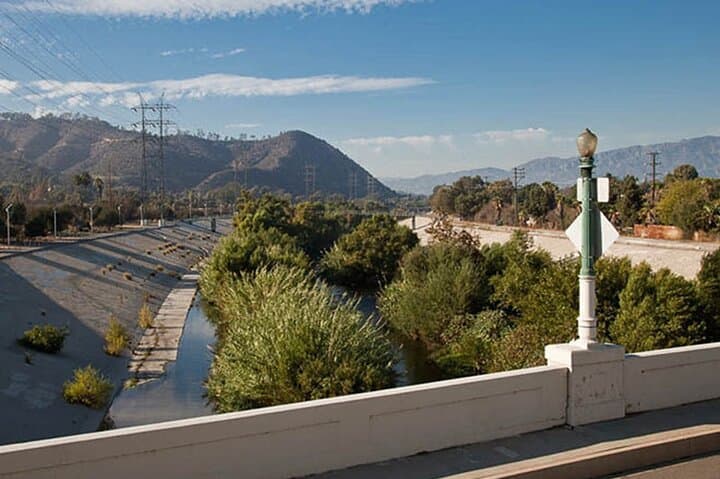
You step out from a covered meeting shelter, the city hiss of traffic shrinking behind you as the LA River opens—concrete channel, reed pockets, and sudden views of the Hollywood Sign framed by eucalyptus. The guide points out an old trolley embankment and a cluster of iron stairs that locals still use as shortcuts; you climb and the city rearranges itself beneath your feet.
You step out from a covered meeting shelter, the city hiss of traffic shrinking behind you as the LA River opens—concrete channel, reed pockets, and sudden views of the Hollywood Sign framed by eucalyptus. The guide points out an old trolley embankment and a cluster of iron stairs that locals still use as shortcuts; you climb and the city rearranges itself beneath your feet.
This route threads three stories at once: a working waterway engineered in the 1930s for flood control, neighborhoods shaped by early 20th‑century transit and housing booms, and recent urban ecology efforts led by community groups like Friends of the LA River. Geologically, the channel follows the Los Angeles River watershed cutting from the San Fernando Valley toward the basin; culturally, these hills around Echo Park and Silver Lake sheltered everything from transit corridors to experimental communities.
Expect 4.4 miles over roughly three hours with several staircases and short, steep hills. The walk moves between riverbanks, abandoned trolley traces, and narrow stair alleys that open onto early 1900s homes and viewpoints of Griffith Observatory. Birdwatchers will spot herons and egrets; photographers will find a hidden swing with an eastside river view.
Practical guidance: wear sturdy shoes with good grip, bring sun protection and a refillable bottle (bottled water provided), and plan to use restrooms at the meeting point—there are none along the route. Public transit reaches the start; tours run with small groups (max 10) so arrive 10 minutes early. Pace is moderate: firm footing and some stair climbing required, but no technical gear. This is an urban hike that reads like a living history lesson.