THE ADVENTURE COLLECTIVE® · Independent discovery and booking for outdoor travel

Stand where stone and story meet at the Grand Egyptian Museum. This guided tour walks you through Tutankhamun’s treasures, conservation labs, and the galleries that reframe Pharaonic history.
Stand where stone and story meet at the Grand Egyptian Museum. This guided tour walks you through Tutankhamun’s treasures, conservation labs, and the galleries that reframe Pharaonic history.
You step from the dusty bustle of Giza’s ring road into a plaza of pale stone and glass — the Grand Egyptian Museum’s facade cutting a clean line against the sky. Inside, climate-controlled galleries unfold like chapters: colossal statues, chiseled reliefs, and cases of gold that catch the light and the eye.
Verified experiences and guided adventures in the surrounding area.
Operated by Egyptian Daily Tours · Giza, Giza Governorate
You step from the dusty bustle of Giza’s ring road into a plaza of pale stone and glass — the Grand Egyptian Museum’s facade cutting a clean line against the sky. Inside, climate-controlled galleries unfold like chapters: colossal statues, chiseled reliefs, and cases of gold that catch the light and the eye.
This museum was conceived to reunite and present millennia of Pharaonic history in one purpose-built complex. Its position on the Giza Plateau links it directly to the geology of the area: the same Cenozoic limestone quarried by ancient Egyptians forms the bedrock beneath the exhibits and the nearby pyramids. Culturally, GEM is Egypt’s contemporary expression of stewardship — a national effort to centralize, preserve, and interpret artifacts including the extensive Tutankhamun holdings.
The guided tour emphasizes provenance and conservation: your guide will point out restoration work, cataloging methods, and why display conditions matter for organic materials. Expect measured pacing rather than a sprint; there’s space to absorb scale, from room-sized statues to jewelry compartments.
Practical guidance: allow 3–5 hours for a thorough visit. Buy skip-the-line tickets or book a guide to get context and avoid queues. Wear comfortable shoes and a light layer for cooler galleries. Photography rules vary by gallery; follow signage and guide instructions. Hydrate before you enter — water is often restricted inside exhibit halls. Plan transfers from central Cairo or Giza hotels; traffic can add 30–60 minutes each way. With planning, a guided visit to the Grand Egyptian Museum becomes both an efficient introduction to ancient Egypt and a clear reminder of the work that goes into keeping the past legible for the future.
easy.
3–5 hours.
Suitable for all fitness levels; involves standing and walking on flat surfaces for extended periods
Yes—advance booking is recommended. Skip-the-line options and guided tours sell out on busy days, and booking ensures entry time alignment with guides.
Expect 3–5 hours for a guided tour that covers main galleries and the Tutankhamun collection at a steady pace.
The museum provides ramps, elevators, and accessible routes; notify your booking for specific assistance or pickup needs.
Photography rules vary by gallery—some areas allow non-flash photography while others prohibit images to protect delicate artifacts; follow posted signs and your guide’s instructions.
The Grand Egyptian Museum was built to centralize and preserve Egypt’s Pharaonic collections, including the largest display of Tutankhamun artifacts ever assembled.
GEM emphasizes controlled-environment displays and active restoration labs; visitors are asked to follow no-flash and no-touch rules to protect fragile materials.
Egyptian Daily Tours operates guided outdoor trips and adventures with an emphasis on safety, stewardship, and memorable experiences.
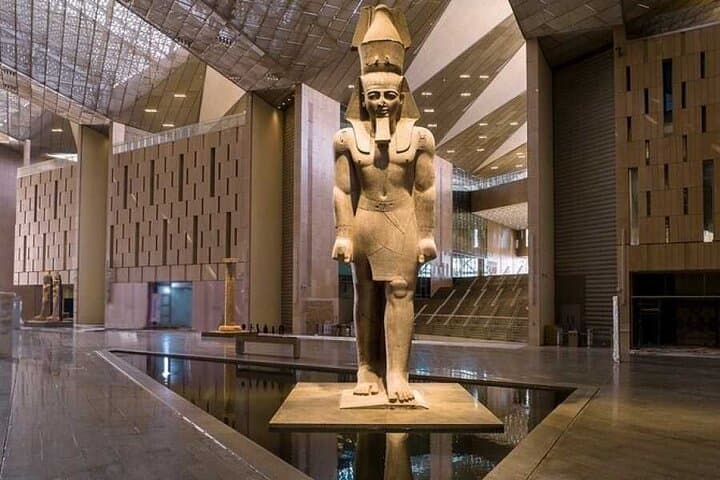
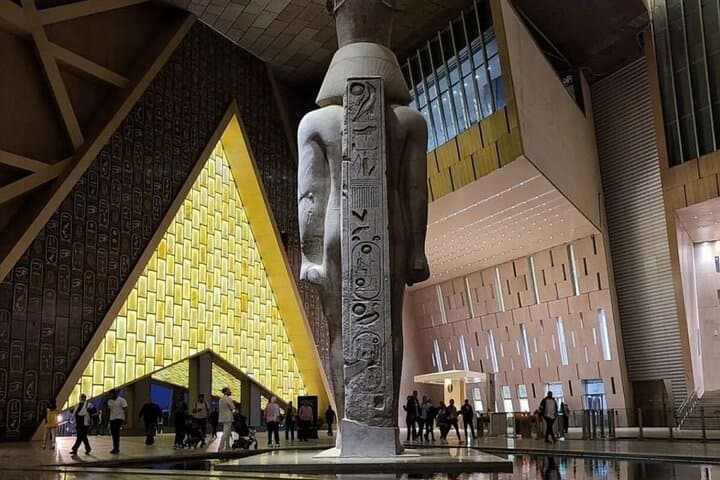
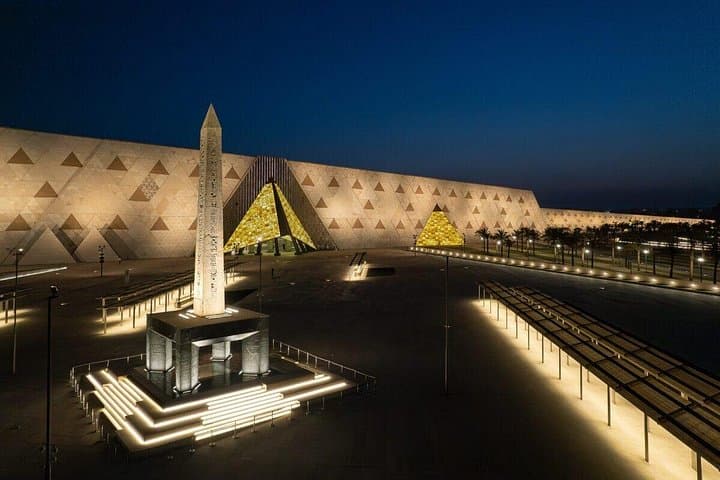
You step from the dusty bustle of Giza’s ring road into a plaza of pale stone and glass — the Grand Egyptian Museum’s facade cutting a clean line against the sky. Inside, climate-controlled galleries unfold like chapters: colossal statues, chiseled reliefs, and cases of gold that catch the light and the eye.
You step from the dusty bustle of Giza’s ring road into a plaza of pale stone and glass — the Grand Egyptian Museum’s facade cutting a clean line against the sky. Inside, climate-controlled galleries unfold like chapters: colossal statues, chiseled reliefs, and cases of gold that catch the light and the eye.
This museum was conceived to reunite and present millennia of Pharaonic history in one purpose-built complex. Its position on the Giza Plateau links it directly to the geology of the area: the same Cenozoic limestone quarried by ancient Egyptians forms the bedrock beneath the exhibits and the nearby pyramids. Culturally, GEM is Egypt’s contemporary expression of stewardship — a national effort to centralize, preserve, and interpret artifacts including the extensive Tutankhamun holdings.
The guided tour emphasizes provenance and conservation: your guide will point out restoration work, cataloging methods, and why display conditions matter for organic materials. Expect measured pacing rather than a sprint; there’s space to absorb scale, from room-sized statues to jewelry compartments.
Practical guidance: allow 3–5 hours for a thorough visit. Buy skip-the-line tickets or book a guide to get context and avoid queues. Wear comfortable shoes and a light layer for cooler galleries. Photography rules vary by gallery; follow signage and guide instructions. Hydrate before you enter — water is often restricted inside exhibit halls. Plan transfers from central Cairo or Giza hotels; traffic can add 30–60 minutes each way. With planning, a guided visit to the Grand Egyptian Museum becomes both an efficient introduction to ancient Egypt and a clear reminder of the work that goes into keeping the past legible for the future.