THE ADVENTURE COLLECTIVE® · Independent discovery and booking for outdoor travel

A two-day shared tour from Bucharest that places you in Europe’s second-largest river delta—UNESCO-protected wetlands, reed-lined channels and rich birdlife. Expect guided boat excursions, a night in a riverside lodge and prime opportunities for pelican and heron sightings.
A two-day shared tour from Bucharest that places you in Europe’s second-largest river delta—UNESCO-protected wetlands, reed-lined channels and rich birdlife. Expect guided boat excursions, a night in a riverside lodge and prime opportunities for pelican and heron sightings.
You leave Bucharest before dawn and the road loosens into wide fields; by late morning the Black Sea harbor in Constanţa appears like a working coastline that gives way to reeds and slow water. Boarding a shallow-draft launch, you push into the maze of channels where tall reed beds edge quiet lagoons and pelicans preside over glassy pools. The water moves like a patient guide, nudging you deeper into the reserve.
Verified experiences and guided adventures in the surrounding area.
Operated by TravelMaker Bucharest Day Tours · Tulcea, Tulcea County
You leave Bucharest before dawn and the road loosens into wide fields; by late morning the Black Sea harbor in Constanţa appears like a working coastline that gives way to reeds and slow water. Boarding a shallow-draft launch, you push into the maze of channels where tall reed beds edge quiet lagoons and pelicans preside over glassy pools. The water moves like a patient guide, nudging you deeper into the reserve.
Geology here is recent and generous: centuries of Danube sediment built the second-largest river delta in Europe, a layered landscape of marsh, sandbank and old-growth Letea forest—an unexpected pocket of oak and sandy dunes. Human history threads the delta too: ancient Greek and Roman outposts around Constanţa, and lipovan fishing villages like Mila 23 that keep traditional netting and reed-craft alive.
Wildlife dominates the itinerary—Dalmatian pelicans, cormorants and herons are common, and quieter corners often reveal otters or sturgeon glinting below. Expect guided boat cruising, short on-foot explorations of reed fringes and a local overnight in a simple riverside lodge.
Practical notes: terrain is flat and waterbound—movement is by boat and short walks on marshy paths and wooden planks; bring binoculars, insect protection and a waterproof layer. Morning and late afternoon offer the best light and bird activity; summer means mosquitoes and heat, spring and autumn bring migration peaks. The trip suits low-impact travelers comfortable with modest accommodations and boat transfers—pack light, keep a dry bag for electronics, and follow guides’ advice to minimize disturbance to nesting birds.
easy.
2 days.
Suitable for most fitness levels; requires getting on/off small boats and short, flat walks on uneven marsh paths.
Pickup is in Bucharest with a drive to Constanţa and transfer to the delta; the tour returns to Bucharest on day two, typically arriving in the evening.
Overnight stays are in simple riverside lodges or guesthouses that focus on proximity to nature rather than luxury; rooms are basic and often shared facilities are used.
The tour is family-friendly but not recommended for travelers with impaired mobility due to boat transfers and uneven marsh paths.
Common sightings include Dalmatian pelicans, great cormorants, egrets and other waterbirds; sightings of otters or sturgeon are possible but not guaranteed.
The Danube Delta formed over centuries of sediment deposition and has been a crossroads for Greek, Roman and later Lipovan communities; Constanţa itself dates back to the 7th century BC.
The delta is a UNESCO Biosphere Reserve—stay on designated routes, avoid disturbing nesting birds and pack out all trash to protect sensitive wetlands.
TravelMaker Bucharest Day Tours operates guided outdoor trips and adventures with an emphasis on safety, stewardship, and memorable experiences.
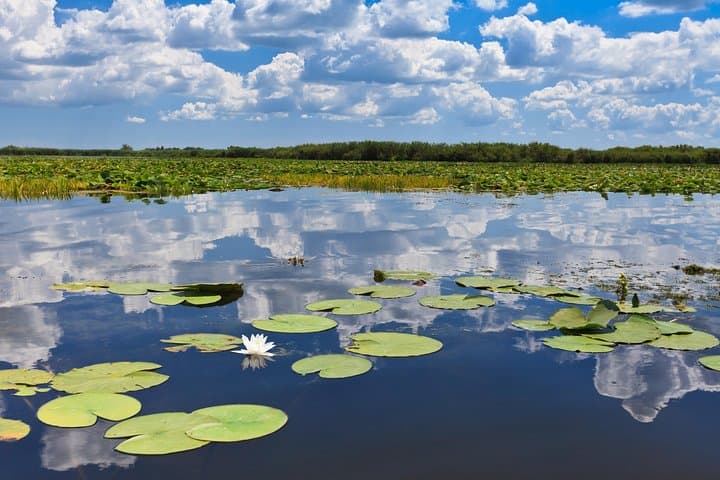
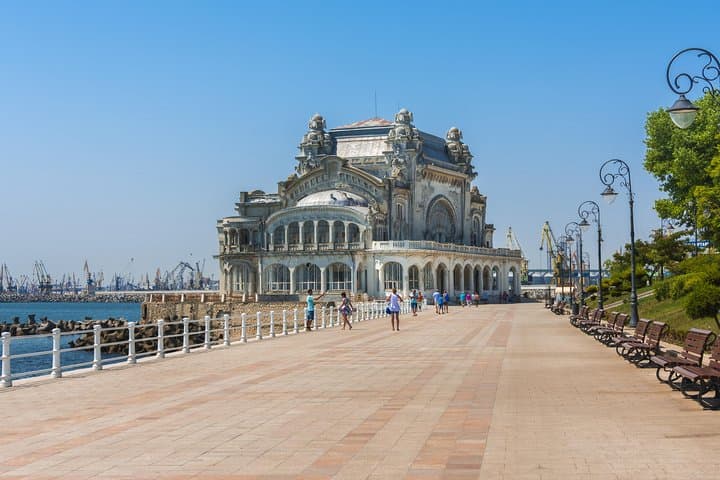
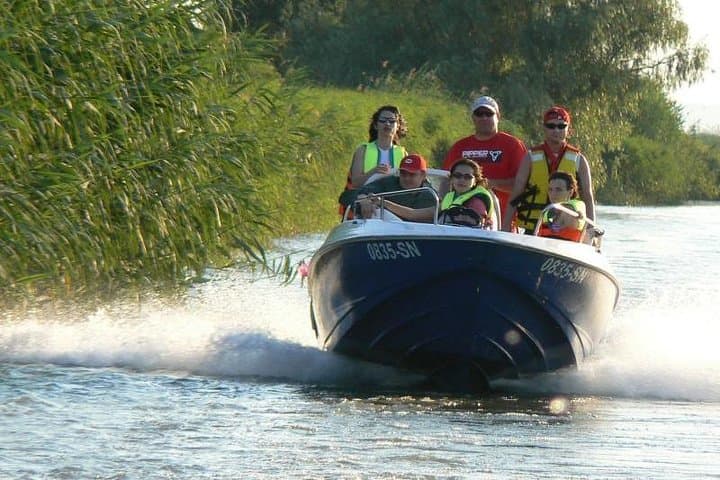
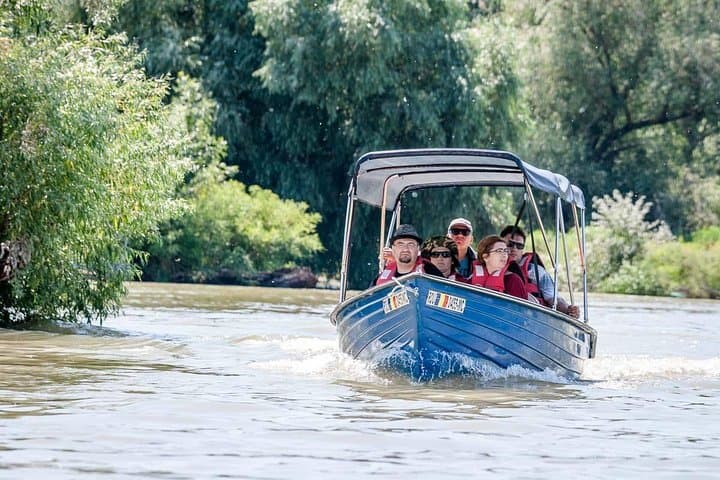
You leave Bucharest before dawn and the road loosens into wide fields; by late morning the Black Sea harbor in Constanţa appears like a working coastline that gives way to reeds and slow water. Boarding a shallow-draft launch, you push into the maze of channels where tall reed beds edge quiet lagoons and pelicans preside over glassy pools. The water moves like a patient guide, nudging you deeper into the reserve.
You leave Bucharest before dawn and the road loosens into wide fields; by late morning the Black Sea harbor in Constanţa appears like a working coastline that gives way to reeds and slow water. Boarding a shallow-draft launch, you push into the maze of channels where tall reed beds edge quiet lagoons and pelicans preside over glassy pools. The water moves like a patient guide, nudging you deeper into the reserve.
Geology here is recent and generous: centuries of Danube sediment built the second-largest river delta in Europe, a layered landscape of marsh, sandbank and old-growth Letea forest—an unexpected pocket of oak and sandy dunes. Human history threads the delta too: ancient Greek and Roman outposts around Constanţa, and lipovan fishing villages like Mila 23 that keep traditional netting and reed-craft alive.
Wildlife dominates the itinerary—Dalmatian pelicans, cormorants and herons are common, and quieter corners often reveal otters or sturgeon glinting below. Expect guided boat cruising, short on-foot explorations of reed fringes and a local overnight in a simple riverside lodge.
Practical notes: terrain is flat and waterbound—movement is by boat and short walks on marshy paths and wooden planks; bring binoculars, insect protection and a waterproof layer. Morning and late afternoon offer the best light and bird activity; summer means mosquitoes and heat, spring and autumn bring migration peaks. The trip suits low-impact travelers comfortable with modest accommodations and boat transfers—pack light, keep a dry bag for electronics, and follow guides’ advice to minimize disturbance to nesting birds.