THE ADVENTURE COLLECTIVE® · Independent discovery and booking for outdoor travel

Walk through deep time at the Cradle of Humankind—visit the interactive Maropeng Visitor Centre then explore the Sterkfontein Caves where ancient hominid fossils were found. This concise 3-hour tour blends science, accessible cave passages, and regional context.
Walk through deep time at the Cradle of Humankind—visit the interactive Maropeng Visitor Centre then explore the Sterkfontein Caves where ancient hominid fossils were found. This concise 3-hour tour blends science, accessible cave passages, and regional context.
You step from the shuttle into a wind that moves across open dolomite veld; limestone ridges cut the horizon and the air smells faintly of dry grass and cool underground stone. The Maropeng Visitor Centre rises like a low concrete shell beside manicured wetlands, its exhibits drawing you through the deep time of human history before a short drive takes you to the mouth of Sterkfontein Caves.
Verified experiences and guided adventures in the surrounding area.
Operated by Khambanathi Tours · Krugersdorp, Gauteng
You step from the shuttle into a wind that moves across open dolomite veld; limestone ridges cut the horizon and the air smells faintly of dry grass and cool underground stone. The Maropeng Visitor Centre rises like a low concrete shell beside manicured wetlands, its exhibits drawing you through the deep time of human history before a short drive takes you to the mouth of Sterkfontein Caves.
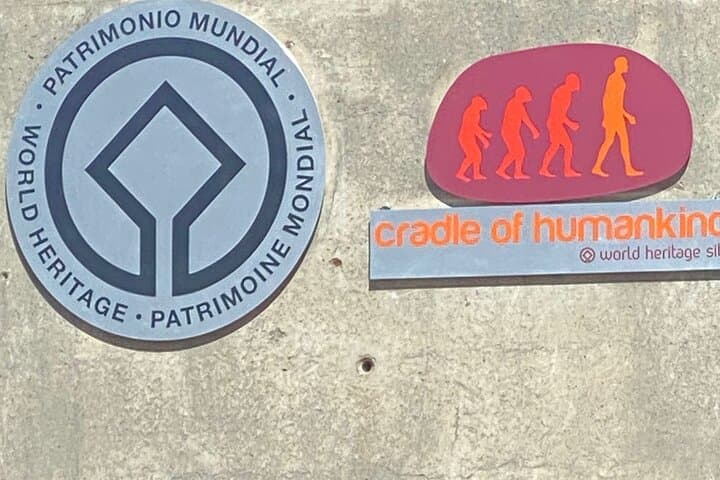
The Cradle of Humankind is a UNESCO World Heritage site where geology and archaeology intersect. The dolomitic bedrock has held pockets of preserved sediment for millions of years; here paleoanthropologists have unearthed Australopithecus and early Homo fossils that reshaped ideas about our origins. Culturally, the area sits on the edge of Johannesburg’s commuter belt yet feels rural—local guides often weave scientific detail with stories about early excavations and the people who worked them.
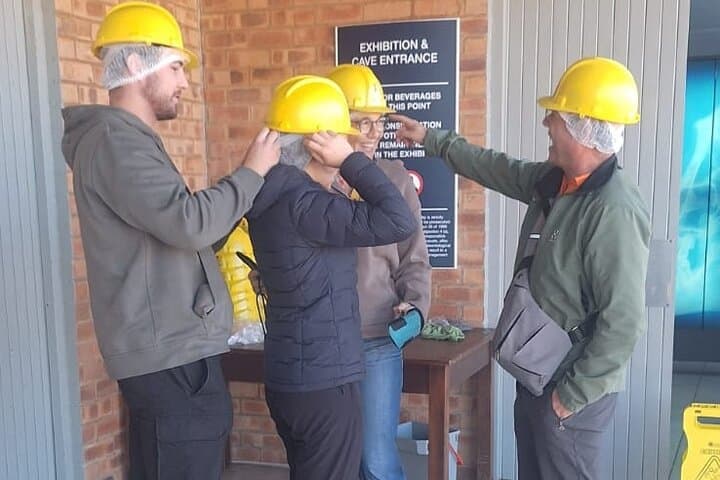
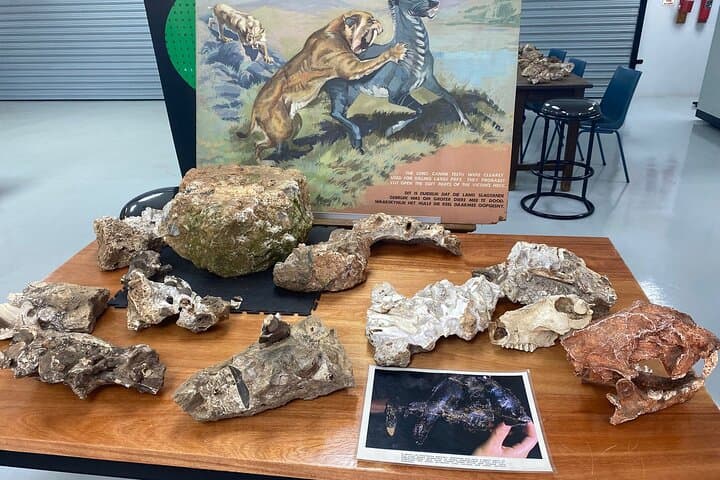
Expect a mix of indoor interpretive displays and confined, stepped cave passages. The Visitor Centre’s interactive exhibits give context to the fossils you’ll see, while Sterkfontein’s tunnels require steady footing and moderate stamina. Photographs are limited inside some cave areas; listening closely to the accredited guide will reveal the significance of each find.
Practical notes: wear sturdy, closed-toe shoes, bring a light layer for cool underground temperatures, and carry water for the short walks between sites. Morning visits avoid afternoon heat and tourist crowds. The trip is ideal for history-minded travelers and families comfortable with short climbs and narrow passages.
moderate.
3 hours.
Moderate fitness needed—able to walk on uneven surfaces, climb short flights of stairs, and stand during exhibits.
The standard tour lasts about three hours and includes guided visits to the Maropeng Visitor Centre and Sterkfontein Caves, entrance fees, bottled water, and hotel pickup/drop-off when selected.
Many sections are family-friendly, but there are narrow, stepped passages; travelers with mobility issues, spinal problems, or pregnancy are advised against entering.
Photography rules vary by cave chamber—flash is often restricted to protect exhibits, so follow guide instructions and posted signs.
The Cradle is a protected UNESCO site; while independent visits are possible during open hours, guided tours provide access to specific cave areas and expert interpretation.
The Cradle of Humankind has produced some of the world’s oldest hominid fossils; discoveries here have been central to paleoanthropology since the early 20th century.
Ongoing excavation and tourism are managed to protect fossil deposits; stay on paths, avoid litter, and respect site rules to minimize impact.
Khambanathi Tours operates guided outdoor trips and adventures with an emphasis on safety, stewardship, and memorable experiences.

You step from the shuttle into a wind that moves across open dolomite veld; limestone ridges cut the horizon and the air smells faintly of dry grass and cool underground stone. The Maropeng Visitor Centre rises like a low concrete shell beside manicured wetlands, its exhibits drawing you through the deep time of human history before a short drive takes you to the mouth of Sterkfontein Caves.
You step from the shuttle into a wind that moves across open dolomite veld; limestone ridges cut the horizon and the air smells faintly of dry grass and cool underground stone. The Maropeng Visitor Centre rises like a low concrete shell beside manicured wetlands, its exhibits drawing you through the deep time of human history before a short drive takes you to the mouth of Sterkfontein Caves.
The Cradle of Humankind is a UNESCO World Heritage site where geology and archaeology intersect. The dolomitic bedrock has held pockets of preserved sediment for millions of years; here paleoanthropologists have unearthed Australopithecus and early Homo fossils that reshaped ideas about our origins. Culturally, the area sits on the edge of Johannesburg’s commuter belt yet feels rural—local guides often weave scientific detail with stories about early excavations and the people who worked them.
Expect a mix of indoor interpretive displays and confined, stepped cave passages. The Visitor Centre’s interactive exhibits give context to the fossils you’ll see, while Sterkfontein’s tunnels require steady footing and moderate stamina. Photographs are limited inside some cave areas; listening closely to the accredited guide will reveal the significance of each find.
Practical notes: wear sturdy, closed-toe shoes, bring a light layer for cool underground temperatures, and carry water for the short walks between sites. Morning visits avoid afternoon heat and tourist crowds. The trip is ideal for history-minded travelers and families comfortable with short climbs and narrow passages.