THE ADVENTURE COLLECTIVE® · Independent discovery and booking for outdoor travel

Skip the line at Rome’s most visited ancient sites and spend your time exploring vaulted corridors, ruined temples and hilltop palaces. This guide outlines what to expect on a self-paced visit to the Colosseum, Roman Forum and Palatine Hill—and how to plan for comfort and conservation.
Skip the line at Rome’s most visited ancient sites and spend your time exploring vaulted corridors, ruined temples and hilltop palaces. This guide outlines what to expect on a self-paced visit to the Colosseum, Roman Forum and Palatine Hill—and how to plan for comfort and conservation.
A morning at the Colosseum begins with the city pressing close: cobbled streets spill toward the amphitheater, and the first light catches the travertine ribs of a structure that still measures the size of human ambition.
Verified experiences and guided adventures in the surrounding area.
Operated by Discover Italy Tours · Rome, Lazio
A morning at the Colosseum begins with the city pressing close: cobbled streets spill toward the amphitheater, and the first light catches the travertine ribs of a structure that still measures the size of human ambition.
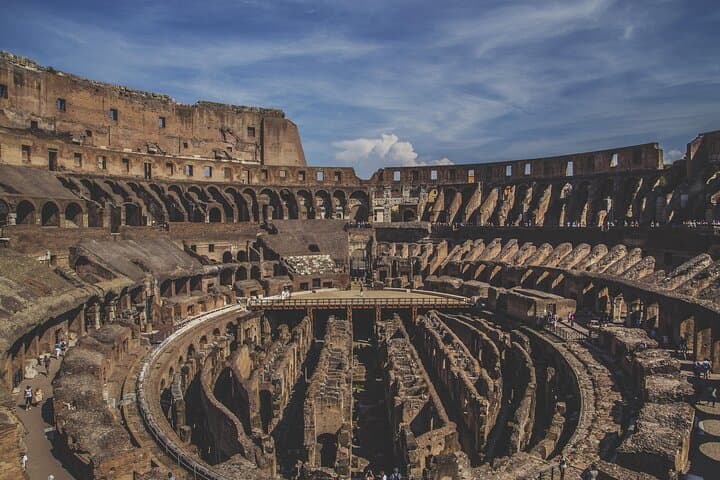
Visitors enter a sequence of stone spaces—arches, corridors, terraces—where sound and scale were designed to be dramatic. Walk through the arena’s outer rings and imagine the crowd’s roar; step onto Palatine Hill to stand where Rome’s elite once watched the city unspool beneath them. The Roman Forum stretches between, its broken columns and worn pavement tracing civic life that shaped Western law and urban design.
Built under the Flavian emperors in the 1st century AD and expanded across centuries, these sites reveal Roman engineering: concrete foundations, systematic drainage, and layered reuse of marble and sculpture. Palatine’s terraces also sit on older volcanic sediments and alluvial deposits from the Tiber’s ancient course, which influenced settlement patterns.
Culturally, the area remains the city’s civic heart—markets, triumphal arches and temples mark past politics and ritual. Small details reward attention: reused reliefs on the Arch of Constantine, graffiti cut into stone by visitors centuries ago.
Practical guidance: reserve a timed Colosseum entry and keep flexible hours for the Forum and Palatine. Expect uneven stone underfoot, sun exposure on open terraces and crowds during high season. Bring a filled water bottle, comfortable walking shoes, photo-ready layers, and ID for ticket checks. Arrive early for cooler light and quieter ruins; follow marked paths to protect fragile masonry and archaeological layers.
easy.
2–4 hours.
Suitable for most fitness levels; expect walking on uneven surfaces and some stairs.
You have a timed Colosseum entry which bypasses the main ticket queue; expect security screening lines regardless, so arrive 15–20 minutes early.
Yes—entry to the Roman Forum and Palatine Hill is included and can be visited with flexible timing after your Colosseum entry.
Every traveler must show valid photo ID that matches the booking name at entry; children’s ages may also be checked for reduced fares.
Some areas have accessible routes and assistance is available, but many archaeological zones include steps and uneven surfaces—check accessibility specifics before booking.
The Colosseum was completed in AD 80 under Emperor Titus; the Forum and Palatine record centuries of Rome’s political, religious and residential life from republic to empire.
Visitor numbers and wear threaten exposed masonry and mosaics—stay on marked paths, avoid touching fragile surfaces and follow site guidelines to support preservation.
Discover Italy Tours operates guided outdoor trips and adventures with an emphasis on safety, stewardship, and memorable experiences.
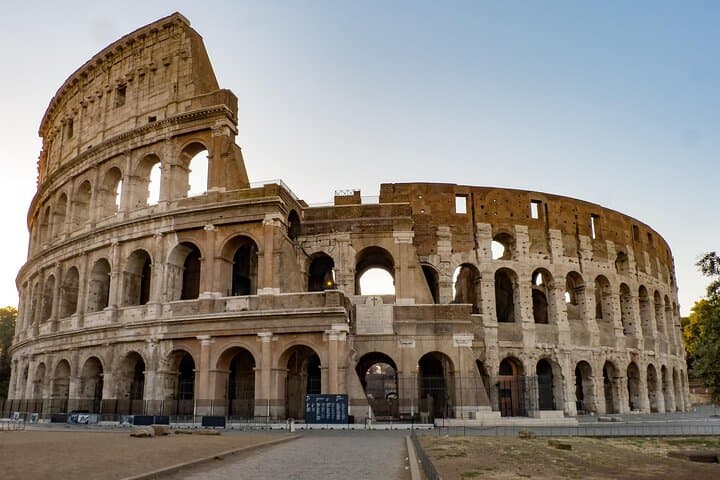
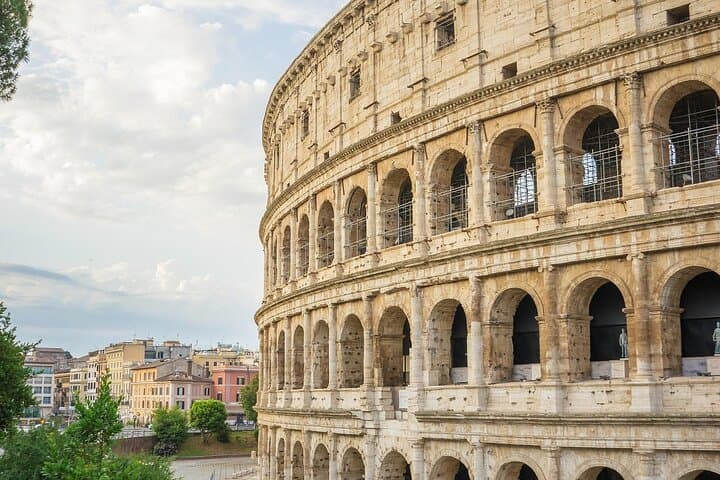
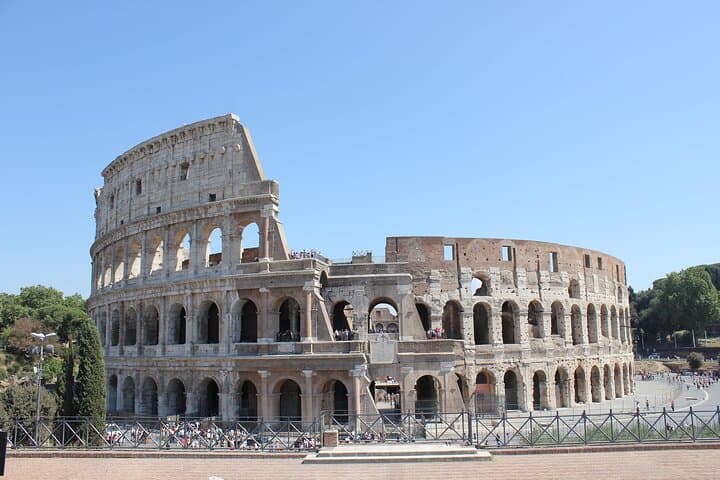
A morning at the Colosseum begins with the city pressing close: cobbled streets spill toward the amphitheater, and the first light catches the travertine ribs of a structure that still measures the size of human ambition.
A morning at the Colosseum begins with the city pressing close: cobbled streets spill toward the amphitheater, and the first light catches the travertine ribs of a structure that still measures the size of human ambition.
Visitors enter a sequence of stone spaces—arches, corridors, terraces—where sound and scale were designed to be dramatic. Walk through the arena’s outer rings and imagine the crowd’s roar; step onto Palatine Hill to stand where Rome’s elite once watched the city unspool beneath them. The Roman Forum stretches between, its broken columns and worn pavement tracing civic life that shaped Western law and urban design.
Built under the Flavian emperors in the 1st century AD and expanded across centuries, these sites reveal Roman engineering: concrete foundations, systematic drainage, and layered reuse of marble and sculpture. Palatine’s terraces also sit on older volcanic sediments and alluvial deposits from the Tiber’s ancient course, which influenced settlement patterns.
Culturally, the area remains the city’s civic heart—markets, triumphal arches and temples mark past politics and ritual. Small details reward attention: reused reliefs on the Arch of Constantine, graffiti cut into stone by visitors centuries ago.
Practical guidance: reserve a timed Colosseum entry and keep flexible hours for the Forum and Palatine. Expect uneven stone underfoot, sun exposure on open terraces and crowds during high season. Bring a filled water bottle, comfortable walking shoes, photo-ready layers, and ID for ticket checks. Arrive early for cooler light and quieter ruins; follow marked paths to protect fragile masonry and archaeological layers.