THE ADVENTURE COLLECTIVE® · Independent discovery and booking for outdoor travel

Spend a full day tracing Jerusalem’s earliest urban core on this City of David day trip from Tel Aviv. Walk through excavations, see Warren’s Shaft and the Siloam channel, and learn how water and stone shaped a capital.
Spend a full day tracing Jerusalem’s earliest urban core on this City of David day trip from Tel Aviv. Walk through excavations, see Warren’s Shaft and the Siloam channel, and learn how water and stone shaped a capital.
The bus pulls out of Tel Aviv before sunrise and by midmorning you stand at the rim of ancient Jerusalem, the dry limestone slopes below like a map of human history carved in white.
Verified experiences and guided adventures in the surrounding area.
Operated by Bein Harim Ltd · Jerusalem, Jerusalem District
The bus pulls out of Tel Aviv before sunrise and by midmorning you stand at the rim of ancient Jerusalem, the dry limestone slopes below like a map of human history carved in white.
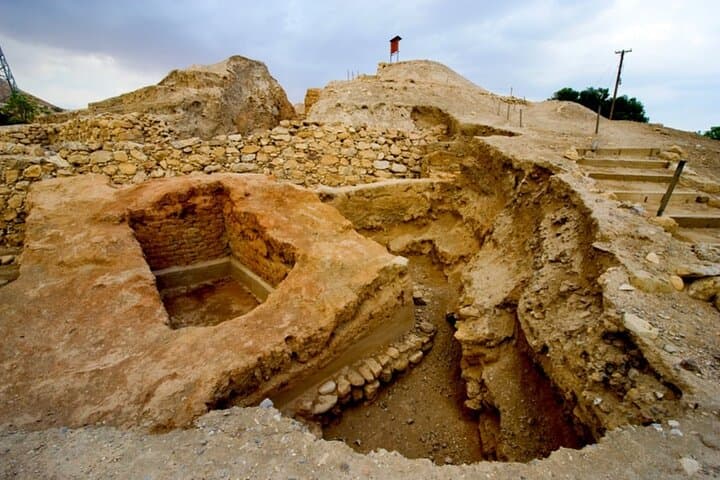
Walk into the City of David and the ground changes tone: streets narrow, stones tilt, and excavation trenches cut into bedrock that remembers Canaanite, Israelite and Roman footsteps. The site centers on Bronze- and Iron-Age remains tied to the biblical period when the city grew into a political center under King David. Nearby, Warren’s Shaft and the Siloam Channel reveal engineering choices driven by water and defense—geology and necessity shaping the urban plan.
Culturally the area is layered: Ottoman walls, Byzantine streets, and modern neighborhoods frame the excavation trenches. Local guides translate pottery shards and carved stones into human stories—farmers, priests and rulers who negotiated this same dry climate.
Practical guidance: expect 10 hours on a full-day schedule, substantial walking on uneven stone and in narrow alleys, and sites that require modest dress for religious sensitivities. Admission to certain excavations may be paid on-site; check opening hours for underground tunnels, and bring sun protection—Jerusalem sun can be blunt.
Timing matters: mornings are cooler for heavy walking, late afternoon brings long shadows that highlight carved reliefs. Stay on official paths, keep cameras ready for unexpected panoramic views toward the Mount of Olives, and leave time to sit quietly at the Pool of Siloam, where the city’s water history feels immediate.
moderate.
10 hours.
Comfortable for most people who can walk several miles over uneven terrain and climb stairs; not suitable for children under 4 or those with severe mobility issues.
No—this tour notes that entrance fees to some sites and underground excavations are not included; pay on-site where required.
Yes—hotel pickup and drop-off are included; confirm your exact pickup time with the local operator after booking.
The tour is not suitable for children under 4 and includes a reasonable amount of walking on uneven surfaces.
A moderate dress code is required for many places of worship and museums: no shorts, knees and shoulders must be covered for both men and women.
The City of David area contains Bronze- and Iron-Age remains often associated with the early Israelite capital attributed to King David; ongoing excavations reveal successive urban layers.
Archaeological remains are fragile—stick to marked paths, avoid touching exposed masonry, and support licensed guides and site conservation fees to help protect the ruins.
Bein Harim Ltd operates guided outdoor trips and adventures with an emphasis on safety, stewardship, and memorable experiences.


The bus pulls out of Tel Aviv before sunrise and by midmorning you stand at the rim of ancient Jerusalem, the dry limestone slopes below like a map of human history carved in white.
The bus pulls out of Tel Aviv before sunrise and by midmorning you stand at the rim of ancient Jerusalem, the dry limestone slopes below like a map of human history carved in white.
Walk into the City of David and the ground changes tone: streets narrow, stones tilt, and excavation trenches cut into bedrock that remembers Canaanite, Israelite and Roman footsteps. The site centers on Bronze- and Iron-Age remains tied to the biblical period when the city grew into a political center under King David. Nearby, Warren’s Shaft and the Siloam Channel reveal engineering choices driven by water and defense—geology and necessity shaping the urban plan.
Culturally the area is layered: Ottoman walls, Byzantine streets, and modern neighborhoods frame the excavation trenches. Local guides translate pottery shards and carved stones into human stories—farmers, priests and rulers who negotiated this same dry climate.
Practical guidance: expect 10 hours on a full-day schedule, substantial walking on uneven stone and in narrow alleys, and sites that require modest dress for religious sensitivities. Admission to certain excavations may be paid on-site; check opening hours for underground tunnels, and bring sun protection—Jerusalem sun can be blunt.
Timing matters: mornings are cooler for heavy walking, late afternoon brings long shadows that highlight carved reliefs. Stay on official paths, keep cameras ready for unexpected panoramic views toward the Mount of Olives, and leave time to sit quietly at the Pool of Siloam, where the city’s water history feels immediate.