THE ADVENTURE COLLECTIVE® · Independent discovery and booking for outdoor travel

Swap the city haze for mountain air on a two-day journey along the central Ho Chi Minh Trail. Visit Hai Van Pass, Elephant Springs, Cham tower-temples and village pottery while staying overnight in a mountain guesthouse.
Swap the city haze for mountain air on a two-day journey along the central Ho Chi Minh Trail. Visit Hai Van Pass, Elephant Springs, Cham tower-temples and village pottery while staying overnight in a mountain guesthouse.
A wind-swept ridge opens above the South China Sea and the road drops away beneath you—Hai Van Pass breathes cold mountain air that pushes against your jacket and dares you forward. On this two-day route out of Hue the landscape shifts quickly: carved limestone spurs, tropical ridgelines, and river valleys that funnel cool mist into villages.
Verified experiences and guided adventures in the surrounding area.
Operated by Le Family Rider · Hue, Thua Thien-Hue
A wind-swept ridge opens above the South China Sea and the road drops away beneath you—Hai Van Pass breathes cold mountain air that pushes against your jacket and dares you forward. On this two-day route out of Hue the landscape shifts quickly: carved limestone spurs, tropical ridgelines, and river valleys that funnel cool mist into villages.
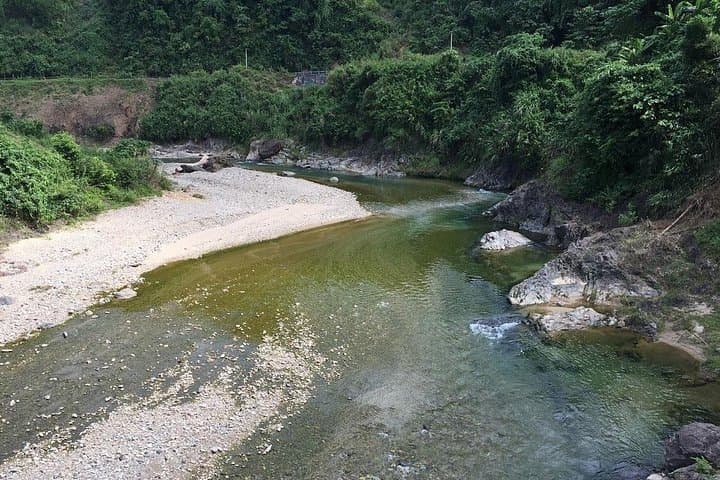
This stretch of the Ho Chi Minh Trail threaded through central Vietnam was a strategic artery during the war; today the same slopes hold Champa tower-ruins, rice paddies, and pottery villages that record centuries of human movement. Geologically the pass cuts a spur of the Truong Son range, where steep slopes and quick-draining soil create sudden waterfalls and clear springs—Elephant Springs is one such cool pool that still surprises travelers. Culturally you’ll cross Cham temple sites and Thanh Ha pottery lanes where local craft and communal life remain visible and tactile.
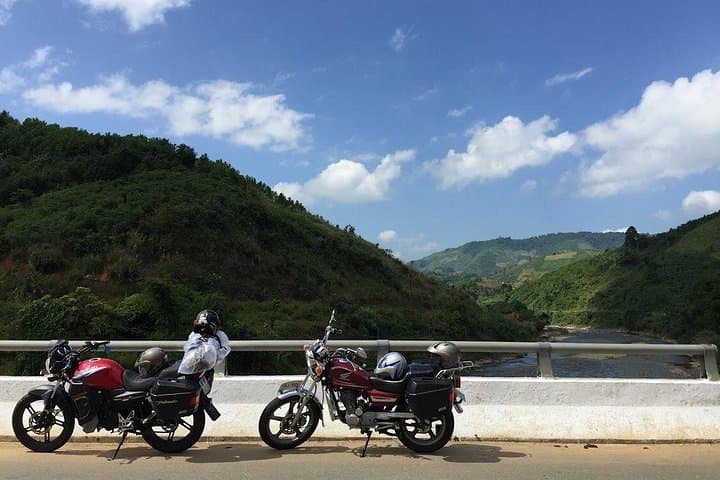
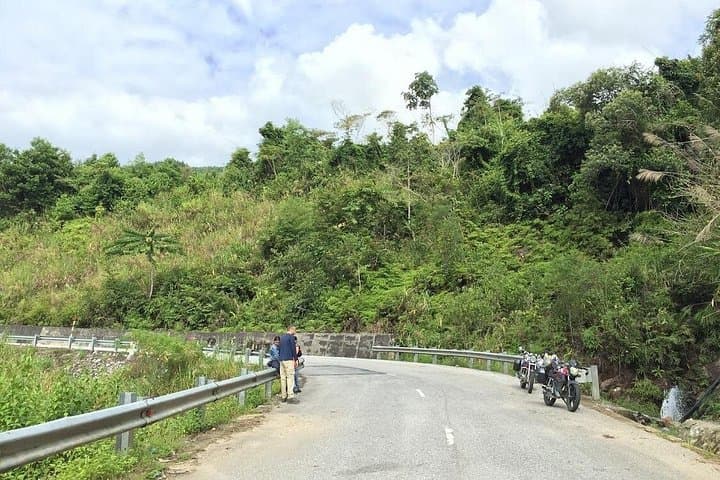
Practical guidance: plan for mixed terrain—paved passes, short gravel tracks, and village lanes—and pack layers for chilly mornings and humid afternoons. Carry cash for small village purchases and support local guides and workshops. Expect basic mountain guesthouse lodging the first night; food is simple and regional: rice, fresh herbs, grilled fish and strong coffee. Hydration and sun protection matter: water is provided on the tour but bring your own bottle. Allow time at viewpoints—visibility can change fast—and move slowly through temple sites out of respect. This itinerary balances history, geology, and easy adventure: it’s accessible to most travelers who want to swap city dust for mountain air and river-scented trails.
easy.
2 days.
Suitable for travelers with average fitness; involves short walks, stairs at temple sites, and basic village terrain
Most departures are from Hue city; the itinerary progresses south toward Hai Van Pass and finishes near Hoi An-area sites, returning to Hue depending on booking.
Overnight is in a mountain guesthouse or simple hotel in a local village—expect basic facilities and regional meals included.
The tour is rated easy and is generally suitable for most ages, but not recommended for travelers with serious back, heart, or pregnancy-related restrictions.
Coastal mountain weather is changeable—mornings can be cool and windy while afternoons are humid; rain is common during the wet season (roughly September–December).
The Ho Chi Minh Trail was a vital supply network during the Vietnam War; the region also preserves Cham-period temple ruins that reflect centuries of coastal kingdom trade and religion.
This route crosses sensitive mountain and coastal ecosystems—practice leave-no-trace, avoid single-use plastics, and buy from local artisans to support community-led conservation.
Le Family Rider operates guided outdoor trips and adventures with an emphasis on safety, stewardship, and memorable experiences.
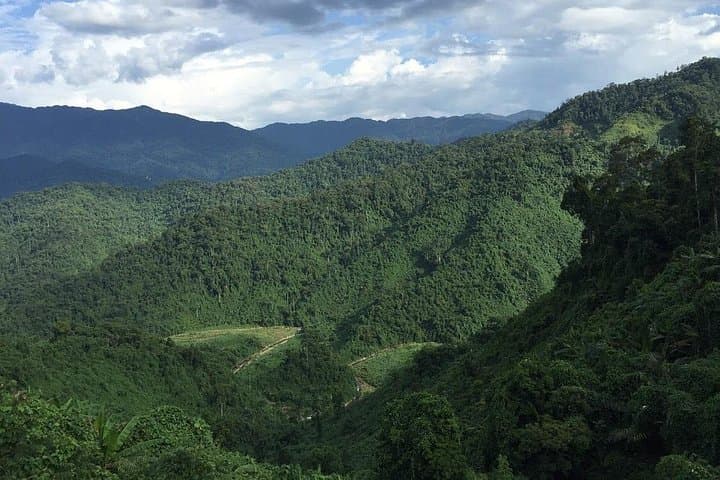
A wind-swept ridge opens above the South China Sea and the road drops away beneath you—Hai Van Pass breathes cold mountain air that pushes against your jacket and dares you forward. On this two-day route out of Hue the landscape shifts quickly: carved limestone spurs, tropical ridgelines, and river valleys that funnel cool mist into villages.
A wind-swept ridge opens above the South China Sea and the road drops away beneath you—Hai Van Pass breathes cold mountain air that pushes against your jacket and dares you forward. On this two-day route out of Hue the landscape shifts quickly: carved limestone spurs, tropical ridgelines, and river valleys that funnel cool mist into villages.
This stretch of the Ho Chi Minh Trail threaded through central Vietnam was a strategic artery during the war; today the same slopes hold Champa tower-ruins, rice paddies, and pottery villages that record centuries of human movement. Geologically the pass cuts a spur of the Truong Son range, where steep slopes and quick-draining soil create sudden waterfalls and clear springs—Elephant Springs is one such cool pool that still surprises travelers. Culturally you’ll cross Cham temple sites and Thanh Ha pottery lanes where local craft and communal life remain visible and tactile.
Practical guidance: plan for mixed terrain—paved passes, short gravel tracks, and village lanes—and pack layers for chilly mornings and humid afternoons. Carry cash for small village purchases and support local guides and workshops. Expect basic mountain guesthouse lodging the first night; food is simple and regional: rice, fresh herbs, grilled fish and strong coffee. Hydration and sun protection matter: water is provided on the tour but bring your own bottle. Allow time at viewpoints—visibility can change fast—and move slowly through temple sites out of respect. This itinerary balances history, geology, and easy adventure: it’s accessible to most travelers who want to swap city dust for mountain air and river-scented trails.