THE ADVENTURE COLLECTIVE® · Independent discovery and booking for outdoor travel

Step into the British Museum’s Great Court and follow objects that span millennia — from the Rosetta Stone to Egyptian mummies. This practical guide lays out what to see, how to plan your visit, and tips for a focused, rewarding museum day.
Step into the British Museum’s Great Court and follow objects that span millennia — from the Rosetta Stone to Egyptian mummies. This practical guide lays out what to see, how to plan your visit, and tips for a focused, rewarding museum day.
A hush of footsteps and low conversation meets you beneath the British Museum’s glass-covered Great Court. Light pours across the white stone floor and the Rosetta Stone’s shadow seems to lean toward curious hands; visitors drift from Egyptian galleries into the Greek sculptures as if following a cultural current.
Verified experiences and guided adventures in the surrounding area.
Operated by My Travelons Ltd · London, England
A hush of footsteps and low conversation meets you beneath the British Museum’s glass-covered Great Court. Light pours across the white stone floor and the Rosetta Stone’s shadow seems to lean toward curious hands; visitors drift from Egyptian galleries into the Greek sculptures as if following a cultural current.
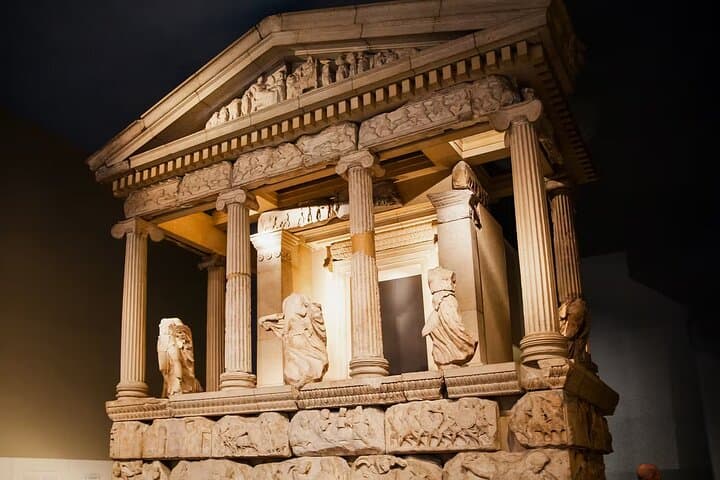
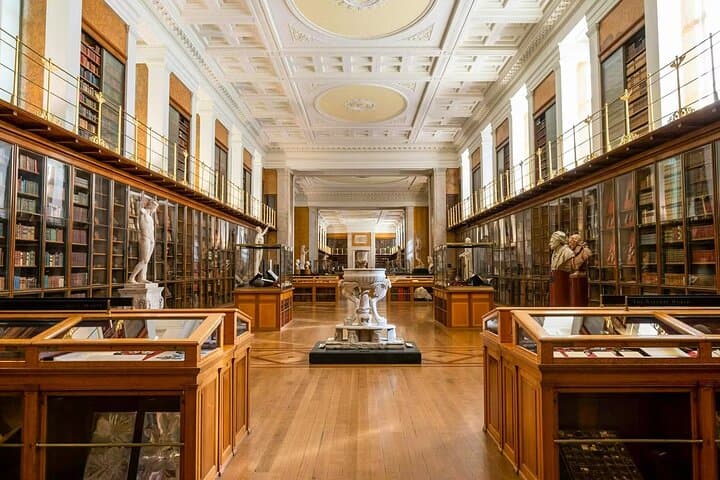
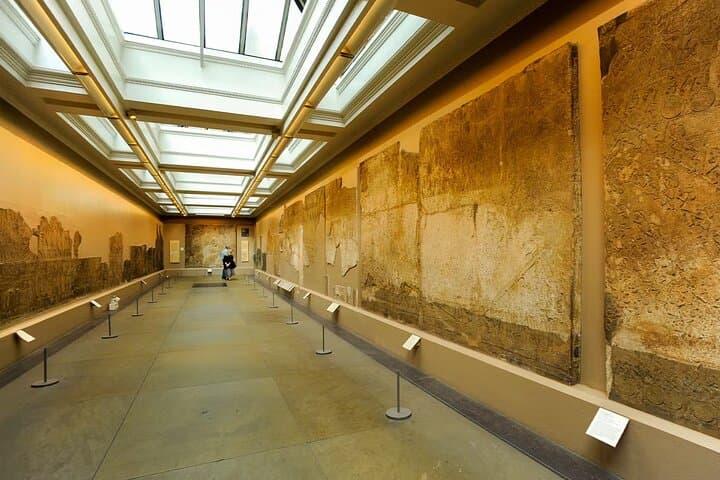
The museum began in 1753 from Sir Hans Sloane’s collection and has since expanded into a global repository of artifacts. The building’s Portland stone façades and classical reading room tell as much about Britain’s collecting era as the objects inside. Rooms trace human stories: ancient Egypt’s burial rites, Assyrian reliefs carved in palace halls, and Mediterranean marble that still holds tool marks from antiquity.
Expect densely packed galleries, clear signage for major highlights, and occasional rotating exhibitions that bring new context to permanent displays. Staff and audio guides provide layered interpretation — the museum encourages close looking rather than fast movement.
Practical guidance: plan 1–4 hours depending on focus. Peak crowds arrive mid-day; the museum is busiest on weekends and free entry means high turnover. Bags are subject to security screening and large backpacks are discouraged. Photography is generally allowed in permanent galleries but not for all exhibits; check signage. If you want depth, download an audio guide in advance or join a themed guided walk. Hydrate between wings and use the Great Court cafés for a break — seating fills quickly. For a calmer visit, aim for weekday mornings or late afternoons and follow gallery numbers to build a logical route through the collections.
easy.
1–4 hours.
Suitable for all fitness levels; involves extended walking and standing on hard floors
Entry to the British Museum is free, but booking timed tickets or priority entry can reduce queueing and is recommended during peak tourist seasons.
Security screening is in place; large bags may be asked to be left at the cloakroom, so travel light where possible.
Photography is generally allowed in permanent galleries for personal use, but some temporary exhibits and specific objects may prohibit photography — follow posted signs.
Yes; the British Museum provides step-free access, lifts between floors, accessible toilets, and advice on routes for visitors with mobility needs.
Founded in 1753 from Sir Hans Sloane’s collection, the museum expanded through donations and acquisitions to house objects from across the former British Empire and beyond.
The museum maintains strict climate control and conservation labs; visitors are asked to follow handling and photography rules to protect fragile objects and minimize wear.
My Travelons Ltd operates guided outdoor trips and adventures with an emphasis on safety, stewardship, and memorable experiences.
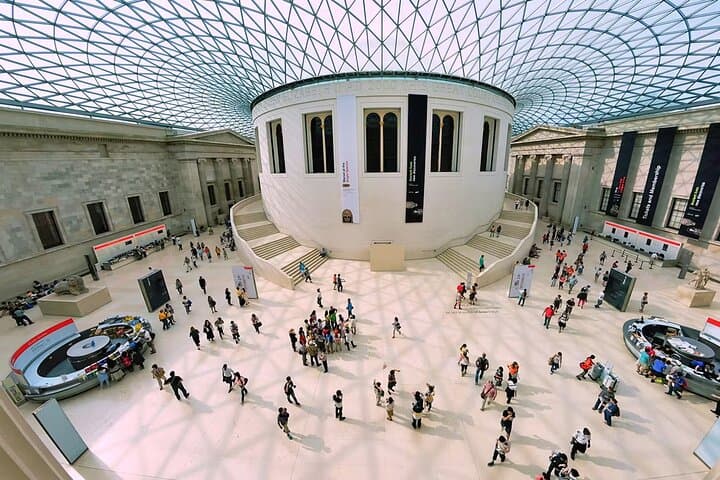
A hush of footsteps and low conversation meets you beneath the British Museum’s glass-covered Great Court. Light pours across the white stone floor and the Rosetta Stone’s shadow seems to lean toward curious hands; visitors drift from Egyptian galleries into the Greek sculptures as if following a cultural current.
A hush of footsteps and low conversation meets you beneath the British Museum’s glass-covered Great Court. Light pours across the white stone floor and the Rosetta Stone’s shadow seems to lean toward curious hands; visitors drift from Egyptian galleries into the Greek sculptures as if following a cultural current.
The museum began in 1753 from Sir Hans Sloane’s collection and has since expanded into a global repository of artifacts. The building’s Portland stone façades and classical reading room tell as much about Britain’s collecting era as the objects inside. Rooms trace human stories: ancient Egypt’s burial rites, Assyrian reliefs carved in palace halls, and Mediterranean marble that still holds tool marks from antiquity.
Expect densely packed galleries, clear signage for major highlights, and occasional rotating exhibitions that bring new context to permanent displays. Staff and audio guides provide layered interpretation — the museum encourages close looking rather than fast movement.
Practical guidance: plan 1–4 hours depending on focus. Peak crowds arrive mid-day; the museum is busiest on weekends and free entry means high turnover. Bags are subject to security screening and large backpacks are discouraged. Photography is generally allowed in permanent galleries but not for all exhibits; check signage. If you want depth, download an audio guide in advance or join a themed guided walk. Hydrate between wings and use the Great Court cafés for a break — seating fills quickly. For a calmer visit, aim for weekday mornings or late afternoons and follow gallery numbers to build a logical route through the collections.