THE ADVENTURE COLLECTIVE® · Independent discovery and booking for outdoor travel

A private full-day tour from Amiens that follows Australia’s actions on the Somme—from Pozières to Villers-Bretonneux—guided by a WWI expert. Small groups, museum access, and a focused historical itinerary make this an immersive battlefield experience.
A private full-day tour from Amiens that follows Australia’s actions on the Somme—from Pozières to Villers-Bretonneux—guided by a WWI expert. Small groups, museum access, and a focused historical itinerary make this an immersive battlefield experience.
You step out of Amiens’ morning calm and the coach drives into open fields where grass and hedgerows keep the lines of a century-old conflict in memory. Craters gape like old breaths in the earth; low monuments and white stone crosses mark positions where young Australians fought across the Somme. The guide—an expert in Australian WWI history—moves through names and dates with the precision of an archaeologist, but the landscape itself narrates the human cost.
Verified experiences and guided adventures in the surrounding area.
Operated by Terres de Mémoire · Amiens, Hauts-de-France
You step out of Amiens’ morning calm and the coach drives into open fields where grass and hedgerows keep the lines of a century-old conflict in memory. Craters gape like old breaths in the earth; low monuments and white stone crosses mark positions where young Australians fought across the Somme. The guide—an expert in Australian WWI history—moves through names and dates with the precision of an archaeologist, but the landscape itself narrates the human cost.
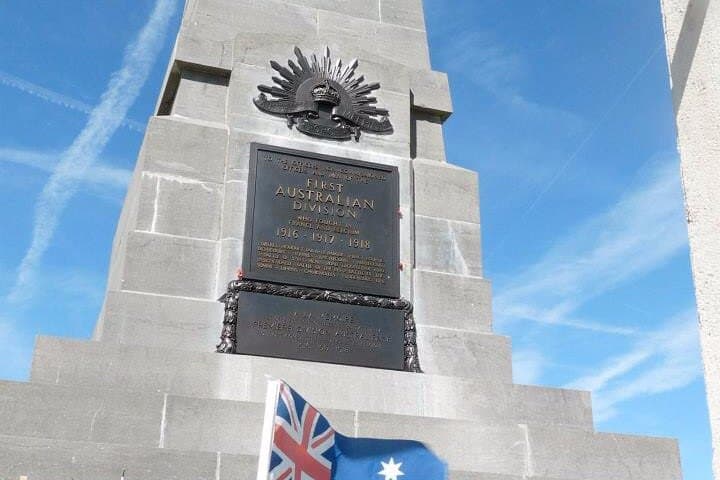
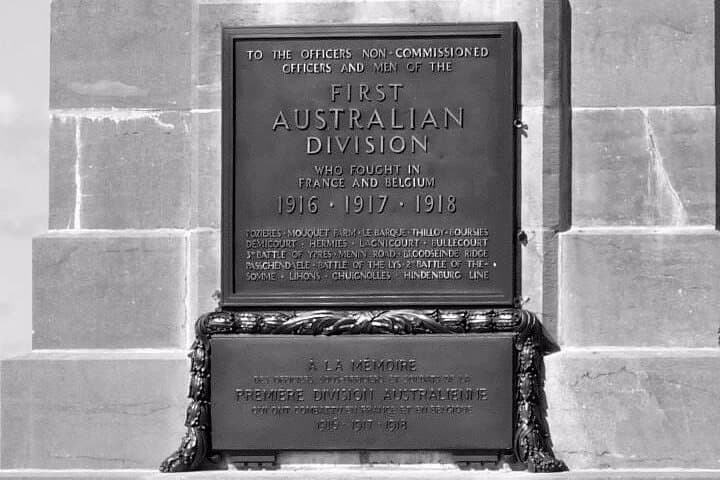
This one-day private tour threads together key sites: the scars of the 1916 explosion, the strategic ridge at Pozières, the Thiepval Memorial to the missing, preserved trenches, and finally Villers-Bretonneux with the Sir John Monash Centre. Geologically the Somme is a plateau of chalk and clay; those soils amplified tunnelling and created the preserved crater fields you’ll see. Culturally, the route traces Australia’s crucible in Europe—actions here shaped national memory as much as maps.
Practicalities matter: the day runs about nine hours with short walks at each stop, a museum visit, and a lunch break in Albert. Transport and most admissions are included; groups are small (max seven) and the tour is private and flexible. Bring layered clothing, sturdy shoes, water, and respect for sacred cemetery sites. Expect interpretive stops rather than strenuous hiking—this tour is about listening to place and context while walking the same slopes that shaped history.
moderate.
9 hours.
Suitable for most fitness levels—requires standing and short walks (100–800 m) on uneven ground several times during the day.
The tour is approximately nine hours with multiple short, interpretive walks at each site and time allocated for the Somme 1916 underground museum and lunch in Albert.
Yes—private transportation for the day and access to the listed sites and museum fees are included in the tour price.
The tour is described as physically easy overall, but some sites require short walks over uneven ground; contact the operator about specific mobility needs or stroller use.
The itinerary includes a stop for lunch in the town of Albert; meals are not typically included but the guide will stop at local cafés or restaurants where you can purchase food.
These sites trace Australia’s evolution as an expeditionary force: heavy fighting in 1916 and decisive actions like Villers-Bretonneux in 1918 shaped both tactics and national remembrance.
Battlefields, cemeteries, and underground sites are protected; stay on paths, avoid disturbing earthworks, and follow guidance to preserve fragile archaeological and commemorative features.
Terres de Mémoire operates guided outdoor trips and adventures with an emphasis on safety, stewardship, and memorable experiences.
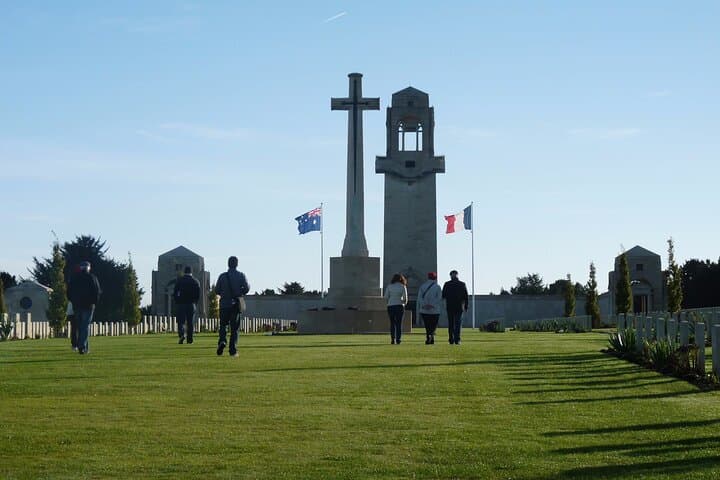
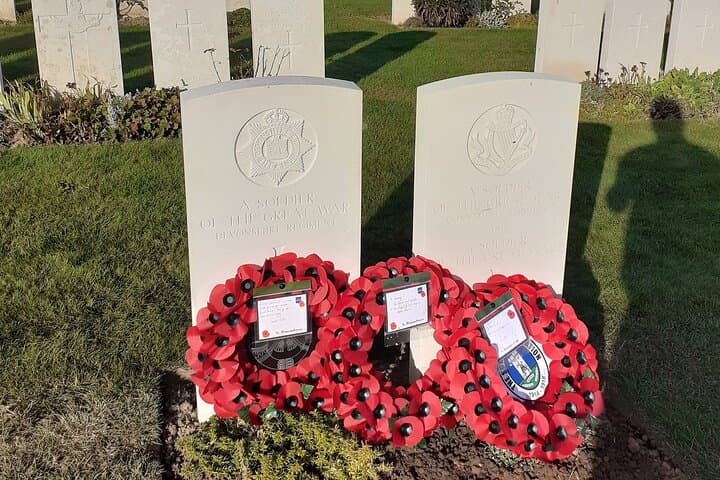
You step out of Amiens’ morning calm and the coach drives into open fields where grass and hedgerows keep the lines of a century-old conflict in memory. Craters gape like old breaths in the earth; low monuments and white stone crosses mark positions where young Australians fought across the Somme. The guide—an expert in Australian WWI history—moves through names and dates with the precision of an archaeologist, but the landscape itself narrates the human cost.
You step out of Amiens’ morning calm and the coach drives into open fields where grass and hedgerows keep the lines of a century-old conflict in memory. Craters gape like old breaths in the earth; low monuments and white stone crosses mark positions where young Australians fought across the Somme. The guide—an expert in Australian WWI history—moves through names and dates with the precision of an archaeologist, but the landscape itself narrates the human cost.
This one-day private tour threads together key sites: the scars of the 1916 explosion, the strategic ridge at Pozières, the Thiepval Memorial to the missing, preserved trenches, and finally Villers-Bretonneux with the Sir John Monash Centre. Geologically the Somme is a plateau of chalk and clay; those soils amplified tunnelling and created the preserved crater fields you’ll see. Culturally, the route traces Australia’s crucible in Europe—actions here shaped national memory as much as maps.
Practicalities matter: the day runs about nine hours with short walks at each stop, a museum visit, and a lunch break in Albert. Transport and most admissions are included; groups are small (max seven) and the tour is private and flexible. Bring layered clothing, sturdy shoes, water, and respect for sacred cemetery sites. Expect interpretive stops rather than strenuous hiking—this tour is about listening to place and context while walking the same slopes that shaped history.