THE ADVENTURE COLLECTIVE® · Independent discovery and booking for outdoor travel

Cruise the ancient stones of the Appian Way in an eco-friendly golf cart, stop at monumental gates and tombs, and taste three menus inspired by Imperial Rome. This 3.5-hour guided tour blends accessible outdoor sight-seeing with an authentic culinary touch.
Cruise the ancient stones of the Appian Way in an eco-friendly golf cart, stop at monumental gates and tombs, and taste three menus inspired by Imperial Rome. This 3.5-hour guided tour blends accessible outdoor sight-seeing with an authentic culinary touch.
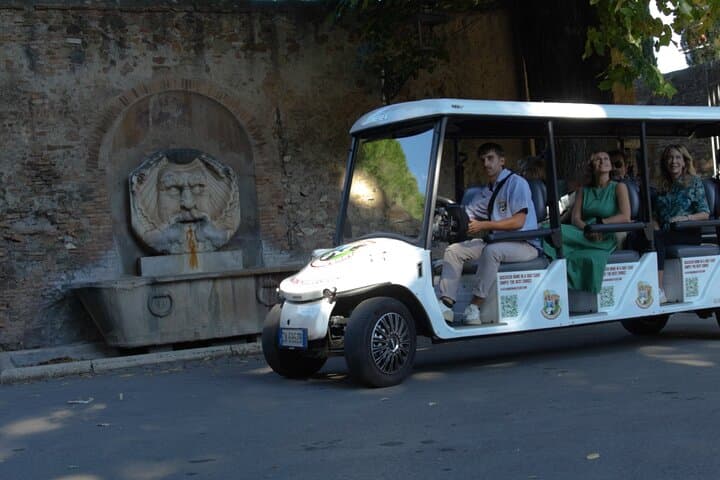
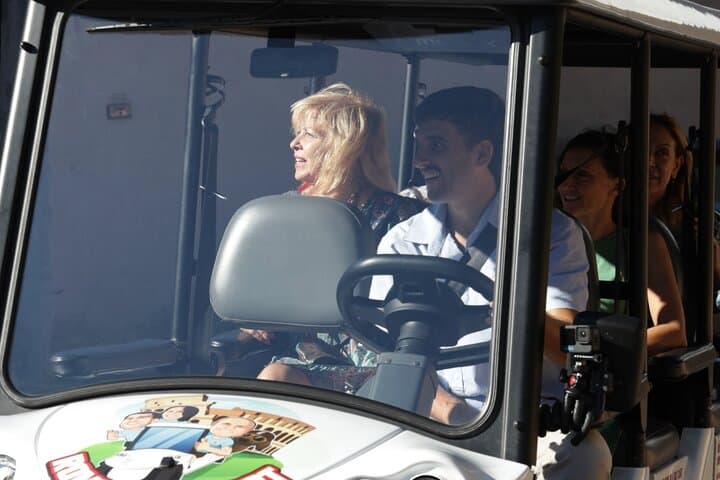
The road hums under a small electric motor as your golf cart slips onto the Appian Way's stone ribbon. Cypress and poplar shade the cruciform tombs; mile markers and mossy pavements remind you that this lane once ferried legions and traders. From your seat you can smell rosemary and the city’s distant heat as the guide points out arches, gates and hidden funerary monuments.
Verified experiences and guided adventures in the surrounding area.
Operated by DGS Driver Guide Service · Rome, Lazio
The road hums under a small electric motor as your golf cart slips onto the Appian Way's stone ribbon. Cypress and poplar shade the cruciform tombs; mile markers and mossy pavements remind you that this lane once ferried legions and traders. From your seat you can smell rosemary and the city’s distant heat as the guide points out arches, gates and hidden funerary monuments.
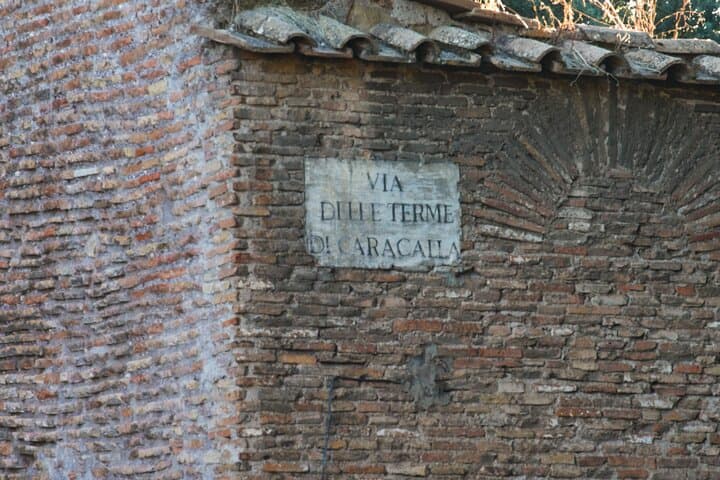
This short route traces Imperial Rome’s expansion: the Aurelian Walls that once defined the city’s edge, the Baths of Caracalla where Romans bathed and debated, and the Mausoleum of Cecilia Metella, a cylindrical tomb that anchors first-century funerary practice. Geologically the road rides a plateau of tuff and travertine; Roman engineers quarried and stacked these stones into the durable causeway you travel today. Cultural notes arrive in stories—the Palatine’s myths, chariot crowds at the Circus Maximus, and how everyday cuisine evolved from grain-and-olive staples to more varied menus under empire-wide trade.
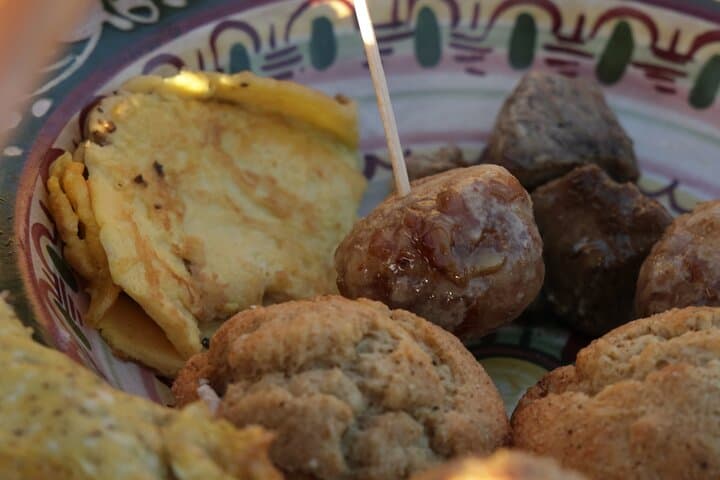
Practical guidance is simple: the tour is low-impact and largely seated, accessible for most travelers, but expect short photo stops with uneven ground. Timing matters—late afternoon light flatters the ruins and cools summer heat. Hydrate and bring a light layer for wind along open stretches. The culinary portion samples three menus inspired by Gladiator, Plebeian, and Senatorial rations—think rustic breads, cured meats, legumes, and wines reimagined from ancient recipes. This experience balances Roman history with sensory immersion: it’s part gentle sightseeing, part edible archaeology, perfect for travelers who want relaxed outdoor exploration without long hikes.
easy.
3.5 hours.
Suitable for most fitness levels; minimal walking required at stops
Yes—vehicles and many stop areas are wheelchair accessible; specify accessibility needs at booking so the operator can arrange appropriate pickup and seating.
The menus are inspired by ancient recipes; dietary restrictions can usually be accommodated if noted during booking—notify the operator in advance.
Hotel pickup and drop-off in central Rome are included; the operator will confirm a central pickup point when you book.
Photography is welcome—each stop averages 15–25 minutes for photos and brief walks; bring a versatile lens for both wide ruins and close-up details.
The Appian Way (Via Appia Antica) was begun in 312 BCE to connect Rome to southern Italy; its preserved tombs and milestones reflect the Republic and Imperial periods' funerary and transportation practices.
This stretch is part of the Parco Regionale dell'Appia Antica; visitors are encouraged to stay on paths, avoid touching fragile masonry, and minimize waste to protect archaeological fabric and local habitat.
DGS Driver Guide Service operates guided outdoor trips and adventures with an emphasis on safety, stewardship, and memorable experiences.
The road hums under a small electric motor as your golf cart slips onto the Appian Way's stone ribbon. Cypress and poplar shade the cruciform tombs; mile markers and mossy pavements remind you that this lane once ferried legions and traders. From your seat you can smell rosemary and the city’s distant heat as the guide points out arches, gates and hidden funerary monuments.
The road hums under a small electric motor as your golf cart slips onto the Appian Way's stone ribbon. Cypress and poplar shade the cruciform tombs; mile markers and mossy pavements remind you that this lane once ferried legions and traders. From your seat you can smell rosemary and the city’s distant heat as the guide points out arches, gates and hidden funerary monuments.
This short route traces Imperial Rome’s expansion: the Aurelian Walls that once defined the city’s edge, the Baths of Caracalla where Romans bathed and debated, and the Mausoleum of Cecilia Metella, a cylindrical tomb that anchors first-century funerary practice. Geologically the road rides a plateau of tuff and travertine; Roman engineers quarried and stacked these stones into the durable causeway you travel today. Cultural notes arrive in stories—the Palatine’s myths, chariot crowds at the Circus Maximus, and how everyday cuisine evolved from grain-and-olive staples to more varied menus under empire-wide trade.
Practical guidance is simple: the tour is low-impact and largely seated, accessible for most travelers, but expect short photo stops with uneven ground. Timing matters—late afternoon light flatters the ruins and cools summer heat. Hydrate and bring a light layer for wind along open stretches. The culinary portion samples three menus inspired by Gladiator, Plebeian, and Senatorial rations—think rustic breads, cured meats, legumes, and wines reimagined from ancient recipes. This experience balances Roman history with sensory immersion: it’s part gentle sightseeing, part edible archaeology, perfect for travelers who want relaxed outdoor exploration without long hikes.