THE ADVENTURE COLLECTIVE® · Independent discovery and booking for outdoor travel

Climb the limestone spur above Lindos with a self-guided 3D audiovisual tour that layers Hellenistic temples, medieval walls and sweeping Aegean views. Practical tips and historical context help you make the most of a 60–120 minute visit.
Climb the limestone spur above Lindos with a self-guided 3D audiovisual tour that layers Hellenistic temples, medieval walls and sweeping Aegean views. Practical tips and historical context help you make the most of a 60–120 minute visit.
The path up to the Acropolis of Lindos rises out of whitewashed houses and bougainvillea, a narrow ribbon of stone that leads to a wind-punished promontory and a panorama of the Aegean. From the top, St. Paul’s Bay and the sweep of the east coast lay open, the sea daring you to measure its blue with your eyes.
Verified experiences and guided adventures in the surrounding area.
Operated by KeyTickets · Lindos, Rhodes
The path up to the Acropolis of Lindos rises out of whitewashed houses and bougainvillea, a narrow ribbon of stone that leads to a wind-punished promontory and a panorama of the Aegean. From the top, St. Paul’s Bay and the sweep of the east coast lay open, the sea daring you to measure its blue with your eyes.
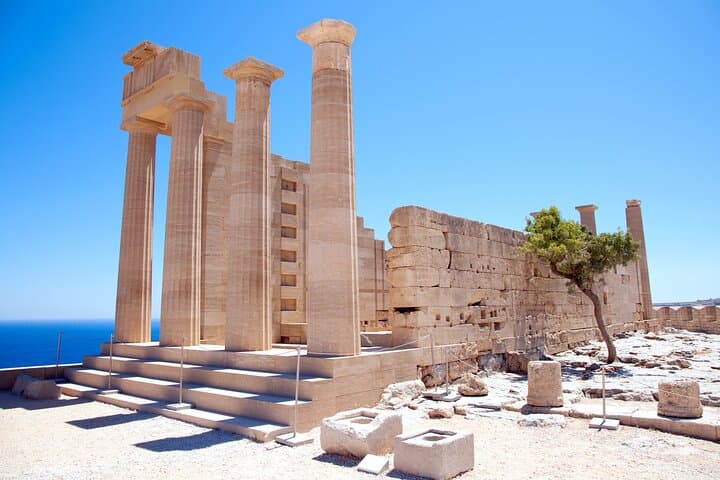
Built on a limestone headland from the 9th century BC, the Lindos sanctuary grew through Hellenistic prosperity and later took on medieval armor under the Knights of St. John. Roman patrons such as Tiberius and Diocletian left administrative marks, while the ruined castle and church perched above reveal layers of occupation. The outcrop’s geology—weathered limestone—creates a compact site of steps, terrace walls and exposed bedrock that magnifies wind and sun.
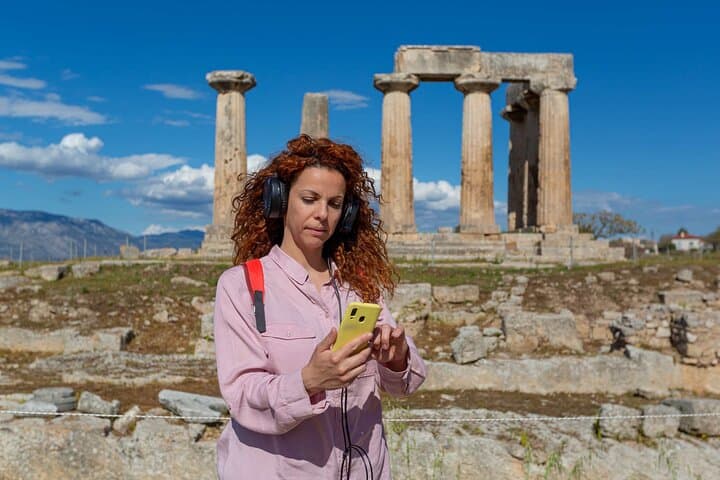
Culturally, Lindos remains a living village: shopfronts, tavernas and rooftop terraces frame the ascent. The multilingual 3D audiovisual app (eight languages) adds architectural reconstructions and a site map, helping users visualize temples and fortifications in their original form.
Practical note: expect 60–120 minutes to move at a relaxed pace, more if you linger at viewpoints. The route includes uneven stone steps and short steep pitches; bring sun protection, 1–2 liters of water, and shoes with solid grip. Download the audiovisual guide on Wi‑Fi before arrival and carry ID if you qualify for reduced admission. Visits are best early morning or late afternoon for cooler temperatures and softer light for photography.
moderate.
1–2 hours.
Comfortable for travelers who can manage short steep sections and uneven stone steps; not suitable for limited mobility without assistance.
You can show the e-ticket on your phone or a printed PDF at the validating machines at the entrance.
Yes—the multilingual app supports eight languages including English, and provides 3D reconstructions and maps.
Reduced and free admissions for under-25 visitors are managed at the site ticket booth with ID; the online offer is for regular adult-price tickets only.
The acropolis has steep, uneven stone steps and limited accessibility; visitors with mobility constraints should check onsite options and assistance before booking.
Lindos grew from a 9th-century BC sanctuary into a Hellenistic religious center and later a fortified medieval site under the Knights of St. John, reflecting centuries of layered occupation.
High visitor numbers stress fragile masonry and vegetation; stick to marked paths, avoid climbing walls, and support local efforts to protect archaeological fabric.
KeyTickets operates guided outdoor trips and adventures with an emphasis on safety, stewardship, and memorable experiences.
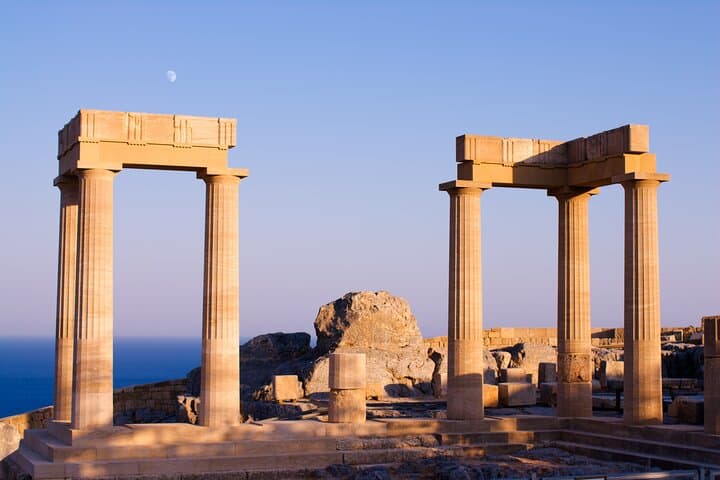
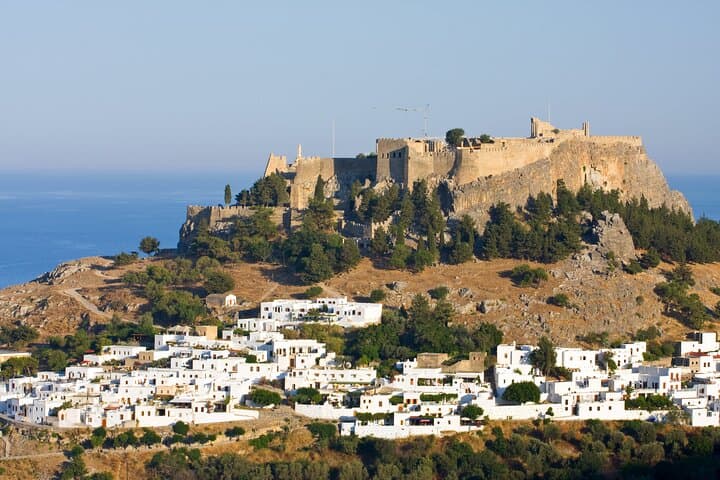
The path up to the Acropolis of Lindos rises out of whitewashed houses and bougainvillea, a narrow ribbon of stone that leads to a wind-punished promontory and a panorama of the Aegean. From the top, St. Paul’s Bay and the sweep of the east coast lay open, the sea daring you to measure its blue with your eyes.
The path up to the Acropolis of Lindos rises out of whitewashed houses and bougainvillea, a narrow ribbon of stone that leads to a wind-punished promontory and a panorama of the Aegean. From the top, St. Paul’s Bay and the sweep of the east coast lay open, the sea daring you to measure its blue with your eyes.
Built on a limestone headland from the 9th century BC, the Lindos sanctuary grew through Hellenistic prosperity and later took on medieval armor under the Knights of St. John. Roman patrons such as Tiberius and Diocletian left administrative marks, while the ruined castle and church perched above reveal layers of occupation. The outcrop’s geology—weathered limestone—creates a compact site of steps, terrace walls and exposed bedrock that magnifies wind and sun.
Culturally, Lindos remains a living village: shopfronts, tavernas and rooftop terraces frame the ascent. The multilingual 3D audiovisual app (eight languages) adds architectural reconstructions and a site map, helping users visualize temples and fortifications in their original form.
Practical note: expect 60–120 minutes to move at a relaxed pace, more if you linger at viewpoints. The route includes uneven stone steps and short steep pitches; bring sun protection, 1–2 liters of water, and shoes with solid grip. Download the audiovisual guide on Wi‑Fi before arrival and carry ID if you qualify for reduced admission. Visits are best early morning or late afternoon for cooler temperatures and softer light for photography.