THE ADVENTURE COLLECTIVE® · Independent discovery and booking for outdoor travel

Stand on the plateau where Moshoeshoe I shaped Lesotho’s identity. This private tour pairs close‑up cultural storytelling with short hikes to rock paintings, village craft demonstrations and mountain views.
Stand on the plateau where Moshoeshoe I shaped Lesotho’s identity. This private tour pairs close‑up cultural storytelling with short hikes to rock paintings, village craft demonstrations and mountain views.
You arrive at the crest of Thaba Bosiu as wind flattens grass against the stone — the plateau feels like a small kingdom set deliberately above the plain. The guide points out low stone foundations and the outlines of terraces while stories of Moshoeshoe I unfold: how a leader gathered clans and turned the mountain into a near-impenetrable fortress.
Verified experiences and guided adventures in the surrounding area.
Operated by Opatrip.com Lesotho · Maseru, Maseru District
You arrive at the crest of Thaba Bosiu as wind flattens grass against the stone — the plateau feels like a small kingdom set deliberately above the plain. The guide points out low stone foundations and the outlines of terraces while stories of Moshoeshoe I unfold: how a leader gathered clans and turned the mountain into a near-impenetrable fortress.
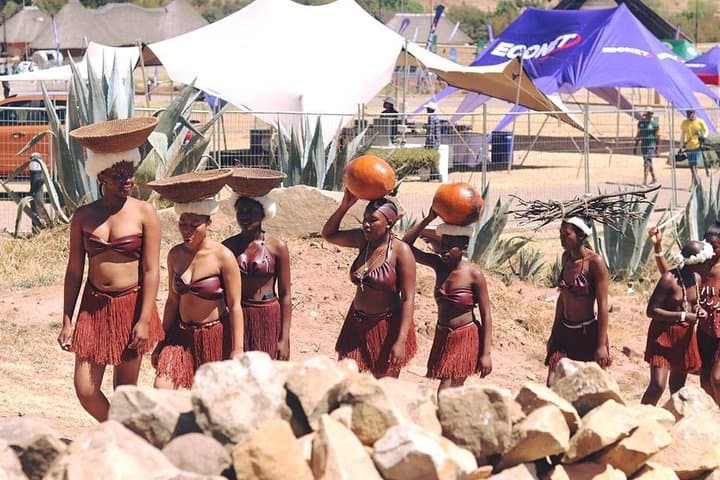
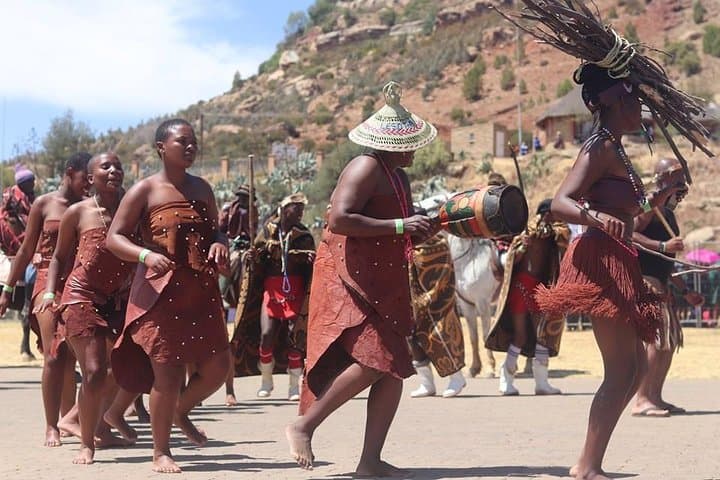
Thaba Bosiu is both history and geology. The plateau rose from basalt flows and local schist, its edges scarped into defensive cliffs that shaped a unique micro‑culture. On the rock faces you’ll see ancient paintings and iron‑age hollows; the village below preserves Basotho customs through song, food and handicraft. Locals still prepare mafura and papa — simple, hearty dishes that speak to mountain life.
Culturally, the site is crucial: it’s where Lesotho’s identity coalesced under Moshoeshoe’s diplomacy and military strategy in the early 19th century. Your private guide interprets those political legends and points out small details — defensive terraces, ceremonial sites, and the stories behind place names.
Practically speaking, the visit is compact and physically moderate: expect 2–3 hours on uneven ground with short climbs and exposed viewpoints. Wear sturdy footwear, carry water and a hat, and bring cash if you want to buy crafts in the village. Photography is welcome but ask before shooting people. The experience is intimate, educational and grounded in living culture — a short, concentrated window into why Thaba Bosiu is called the ‘Kingdom in the Sky.’
moderate.
2–3 hours.
Moderate fitness for short uphill walks and uneven ground; suitable for most active travelers.
The tour requires short uphill walks on uneven terrain over about 2–3 hours; a moderate fitness level is recommended but no technical climbing is required.
Yes if they can manage short rocky sections; consider mobility limitations and bring walking supports if needed.
Local food tastings at the village are typically available but not always included — bring cash if you want to sample or buy snacks.
Guides commonly speak Sesotho and English; confirm language preference at booking for the best experience.
Thaba Bosiu was Moshoeshoe I’s mountain stronghold in the 19th century and served as the founding capital where disparate clans consolidated into the Basotho nation.
The site is protected for its archaeological and cultural value; stick to paths, avoid removing artifacts and support local vendors to sustain the community.
Opatrip.com Lesotho operates guided outdoor trips and adventures with an emphasis on safety, stewardship, and memorable experiences.


You arrive at the crest of Thaba Bosiu as wind flattens grass against the stone — the plateau feels like a small kingdom set deliberately above the plain. The guide points out low stone foundations and the outlines of terraces while stories of Moshoeshoe I unfold: how a leader gathered clans and turned the mountain into a near-impenetrable fortress.
You arrive at the crest of Thaba Bosiu as wind flattens grass against the stone — the plateau feels like a small kingdom set deliberately above the plain. The guide points out low stone foundations and the outlines of terraces while stories of Moshoeshoe I unfold: how a leader gathered clans and turned the mountain into a near-impenetrable fortress.
Thaba Bosiu is both history and geology. The plateau rose from basalt flows and local schist, its edges scarped into defensive cliffs that shaped a unique micro‑culture. On the rock faces you’ll see ancient paintings and iron‑age hollows; the village below preserves Basotho customs through song, food and handicraft. Locals still prepare mafura and papa — simple, hearty dishes that speak to mountain life.
Culturally, the site is crucial: it’s where Lesotho’s identity coalesced under Moshoeshoe’s diplomacy and military strategy in the early 19th century. Your private guide interprets those political legends and points out small details — defensive terraces, ceremonial sites, and the stories behind place names.
Practically speaking, the visit is compact and physically moderate: expect 2–3 hours on uneven ground with short climbs and exposed viewpoints. Wear sturdy footwear, carry water and a hat, and bring cash if you want to buy crafts in the village. Photography is welcome but ask before shooting people. The experience is intimate, educational and grounded in living culture — a short, concentrated window into why Thaba Bosiu is called the ‘Kingdom in the Sky.’