THE ADVENTURE COLLECTIVE® · Independent discovery and booking for outdoor travel

Combine a guided walk through Teotihuacan’s monumental avenue and pyramids with a guided exploration of nearby caves and a tasting at an artisan pulque shop. Perfect for travelers who want archaeology, geology and living craft in one compact outing.
Combine a guided walk through Teotihuacan’s monumental avenue and pyramids with a guided exploration of nearby caves and a tasting at an artisan pulque shop. Perfect for travelers who want archaeology, geology and living craft in one compact outing.
You arrive before the sun softens the volcanic plain: the Pyramid of the Sun rises like a worked stone lung, shadows carving its stairways. Wind moves across the Avenue of the Dead and carries dust and the faint metallic smell of obsidian. An expert guide sets the pace — explaining alignments, mural fragments and the social logic that made Teotihuacan a mega-city centuries ago.
Verified experiences and guided adventures in the surrounding area.
Operated by Pueblo Mágico · San Juan Teotihuacán, State of Mexico
You arrive before the sun softens the volcanic plain: the Pyramid of the Sun rises like a worked stone lung, shadows carving its stairways. Wind moves across the Avenue of the Dead and carries dust and the faint metallic smell of obsidian. An expert guide sets the pace — explaining alignments, mural fragments and the social logic that made Teotihuacan a mega-city centuries ago.
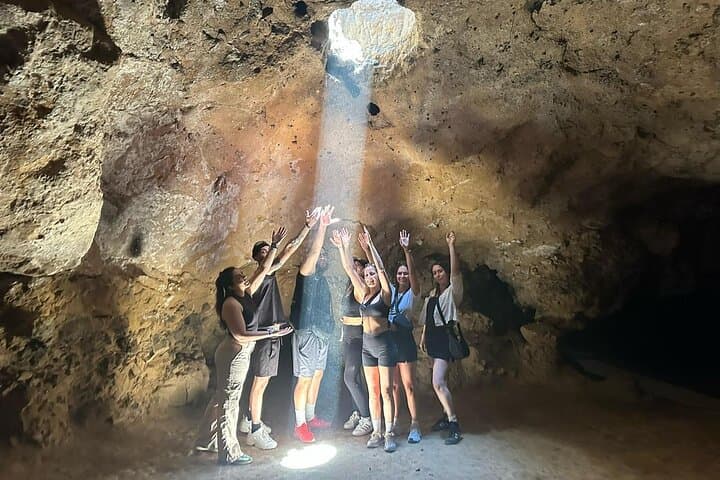
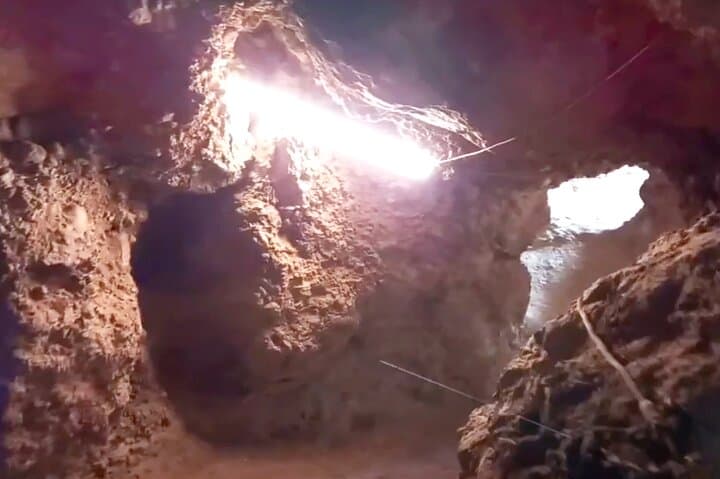
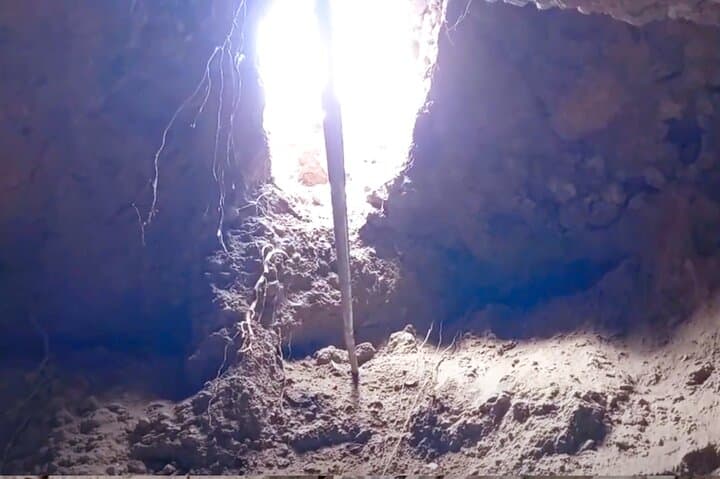
The site itself dates to roughly AD 100–700, when it was one of Mesoamerica’s largest urban centers. Geology here is volcanic — pumice, basalt and obsidian shaped ritual architecture and local craft economies. The caves near the complex are limestone and volcanic fissures where groundwater and time have etched chambers and narrow passages now wrapped in local legend.
Culture threads the day: artisans still work obsidian and pulque — the fermented agave drink — offers a living link to pre-Hispanic and colonial-era practices. Small workshops and a family-run pulquería at the tour’s end give a tactile finish to the archaeology and the subterranean exploration.
Practical guidance: expect 3–4 hours on uneven ground with brief stair climbs and low cave ceilings. Wear sturdy, closed-toe shoes, bring sun protection, and carry a small light for the caves. Start early to avoid midday heat and afternoon storms in the rainy season. Follow site rules: no climbing beyond permitted areas, avoid touching murals, and pack out trash. This tour pairs cultural learning with physical exploration — a compact, grounded way to see Teotihuacan’s surface and underworld in one morning or afternoon.
moderate.
3–4 hours.
Moderate fitness recommended—able to walk several kilometers on uneven ground and negotiate low cave passages.
Yes — entrance to the Teotihuacan archaeological zone is included as part of this tour.
The caves have narrow passages and uneven footing; not recommended for infants, people with spinal or serious mobility issues, or those who cannot crouch or climb short steps.
Yes — the tour concludes with a tasting at an artisan pulque shop and time to see local crafts like obsidian work.
Pickup options are often available — confirm your pickup point and arrival details at booking so the operator can arrange transfer.
Teotihuacan emerged as a major urban center between roughly AD 100–700; its monumental pyramids and Avenue of the Dead influenced Mesoamerican cultures for centuries.
The site is fragile — avoid touching mural faces and adhere to marked paths. Supporting local artisans and using refillable water containers reduces waste and helps the local economy.
Pueblo Mágico operates guided outdoor trips and adventures with an emphasis on safety, stewardship, and memorable experiences.
You arrive before the sun softens the volcanic plain: the Pyramid of the Sun rises like a worked stone lung, shadows carving its stairways. Wind moves across the Avenue of the Dead and carries dust and the faint metallic smell of obsidian. An expert guide sets the pace — explaining alignments, mural fragments and the social logic that made Teotihuacan a mega-city centuries ago.
You arrive before the sun softens the volcanic plain: the Pyramid of the Sun rises like a worked stone lung, shadows carving its stairways. Wind moves across the Avenue of the Dead and carries dust and the faint metallic smell of obsidian. An expert guide sets the pace — explaining alignments, mural fragments and the social logic that made Teotihuacan a mega-city centuries ago.
The site itself dates to roughly AD 100–700, when it was one of Mesoamerica’s largest urban centers. Geology here is volcanic — pumice, basalt and obsidian shaped ritual architecture and local craft economies. The caves near the complex are limestone and volcanic fissures where groundwater and time have etched chambers and narrow passages now wrapped in local legend.
Culture threads the day: artisans still work obsidian and pulque — the fermented agave drink — offers a living link to pre-Hispanic and colonial-era practices. Small workshops and a family-run pulquería at the tour’s end give a tactile finish to the archaeology and the subterranean exploration.
Practical guidance: expect 3–4 hours on uneven ground with brief stair climbs and low cave ceilings. Wear sturdy, closed-toe shoes, bring sun protection, and carry a small light for the caves. Start early to avoid midday heat and afternoon storms in the rainy season. Follow site rules: no climbing beyond permitted areas, avoid touching murals, and pack out trash. This tour pairs cultural learning with physical exploration — a compact, grounded way to see Teotihuacan’s surface and underworld in one morning or afternoon.