THE ADVENTURE COLLECTIVE® · Independent discovery and booking for outdoor travel

Walk the open-air ruins and museum of Templo Mayor with skip-the-line access and an expert guide who explains the Aztec capital’s architecture, rituals, and layers of history. Practical tips for timing, accessibility, and what to bring make this a sharply focused cultural outing in the heart of CDMX.
Walk the open-air ruins and museum of Templo Mayor with skip-the-line access and an expert guide who explains the Aztec capital’s architecture, rituals, and layers of history. Practical tips for timing, accessibility, and what to bring make this a sharply focused cultural outing in the heart of CDMX.
You step from the bustle of the Zócalo into a cut of open sky framed by massive stone—an exposed cross-section of an empire. The Templo Mayor rises in terraces of worked basalt and pumice, its jagged profile recalling the layered rebuilding the Mexica performed across centuries.
Verified experiences and guided adventures in the surrounding area.
Operated by Chill N' Go · Mexico City, CDMX
You step from the bustle of the Zócalo into a cut of open sky framed by massive stone—an exposed cross-section of an empire. The Templo Mayor rises in terraces of worked basalt and pumice, its jagged profile recalling the layered rebuilding the Mexica performed across centuries.
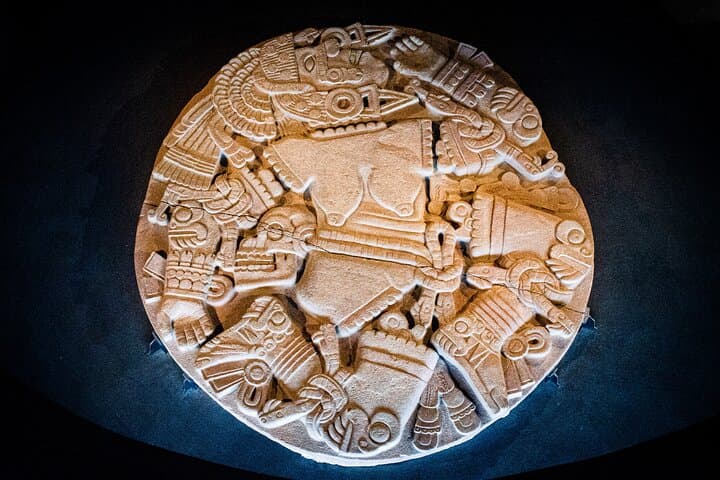
Once the ceremonial core of Tenochtitlan, the site sits where Lake Texcoco’s soft sediments met human ambition; engineers drove wooden piles into the clay, and successive platforms were added atop older shrines. Spanish colonial construction later buried much of the complex, and modern excavations have peeled back that palimpsest to reveal offering pits, the Coyolxauhqui stone, and domestic fragments that map daily life as surely as high ritual.
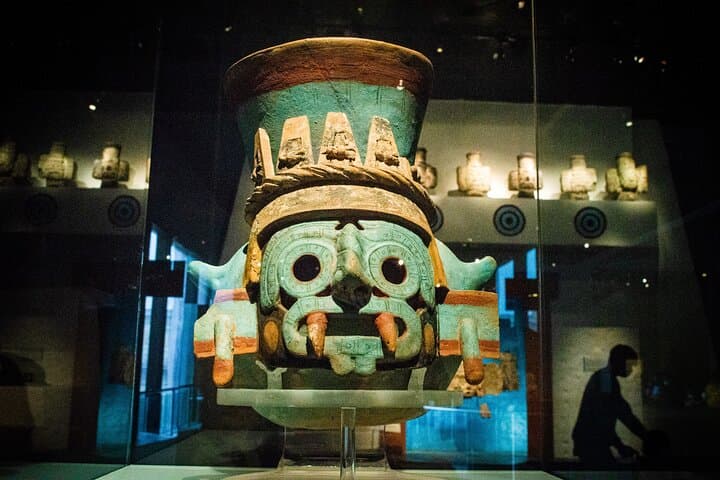
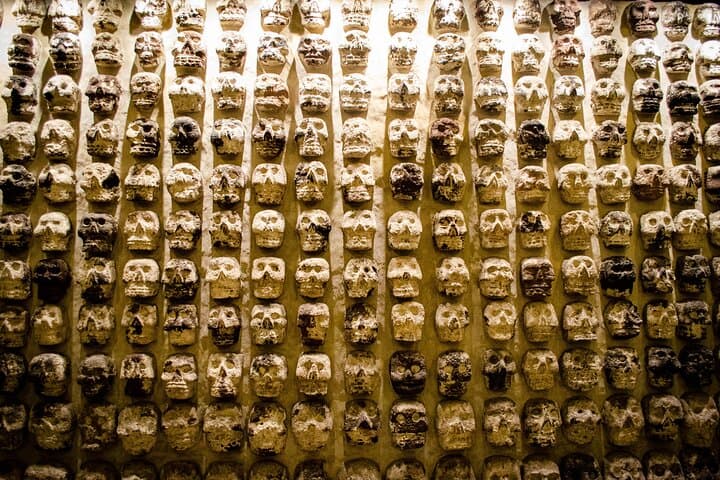
A concise museum complements the ruins: casework holds obsidian blades, carved deities, and offerings that explain ceremonial logic and the material culture of the Late Postclassic city. Cultural context is immediate—the cathedral a few steps away, street vendors trading pulque and tacos, and city life pressing close to antiquity.
Practical guidance: this is a walking, mostly flat tour of about two hours with some uneven flagstones and exposed sun. Wear sturdy shoes, bring sun protection and a refillable water bottle, and plan for early or late visits to avoid midday heat. Mobile tickets and a skip-the-line access make timing flexible; guides will point out construction phases, ritual function, and how modern Mexico City grew from these foundations. Respect ropes, don’t touch exposed stones, and leave room for local pedestrians—the past here remains very much a part of the present.
moderate.
2 hours.
Light to moderate walking ability; able to stand and walk on uneven surfaces for up to two hours.
Yes—mobile tickets are accepted and this booking includes skip-the-line access to the archaeological zone and museum.
The museum and some areas of the archaeological zone are wheelchair accessible, but certain exposed ruins have uneven surfaces that limit full access.
The guided experience lasts about two hours and involves moderate walking, standing, and short stair sections on uneven stone.
Families with children are welcome and strollers are permitted in many areas, though narrow paths may require carrying small children at points.
Templo Mayor was the primary ceremonial temple of Tenochtitlan, repeatedly rebuilt by the Mexica until the city’s conquest and subsequent partial burial by Spanish colonial construction.
Archaeologists and museum staff stabilize and conserve exposed stones and artifacts; visitors should stay on paths, avoid touching relics, and follow guide instructions to minimize wear.
Chill N' Go operates guided outdoor trips and adventures with an emphasis on safety, stewardship, and memorable experiences.
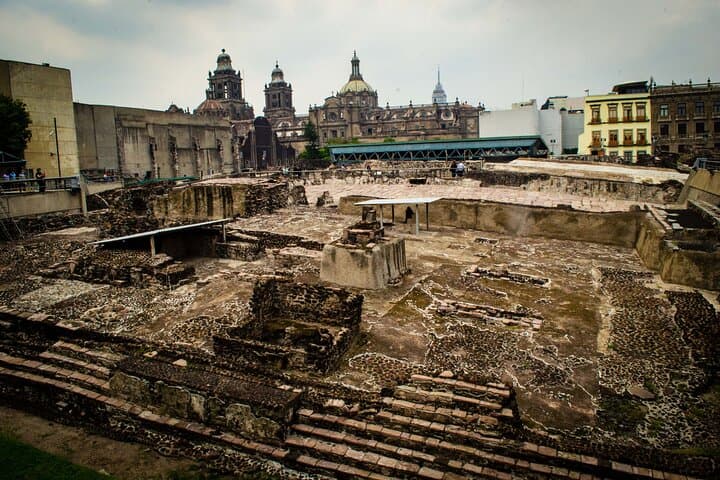
You step from the bustle of the Zócalo into a cut of open sky framed by massive stone—an exposed cross-section of an empire. The Templo Mayor rises in terraces of worked basalt and pumice, its jagged profile recalling the layered rebuilding the Mexica performed across centuries.
You step from the bustle of the Zócalo into a cut of open sky framed by massive stone—an exposed cross-section of an empire. The Templo Mayor rises in terraces of worked basalt and pumice, its jagged profile recalling the layered rebuilding the Mexica performed across centuries.
Once the ceremonial core of Tenochtitlan, the site sits where Lake Texcoco’s soft sediments met human ambition; engineers drove wooden piles into the clay, and successive platforms were added atop older shrines. Spanish colonial construction later buried much of the complex, and modern excavations have peeled back that palimpsest to reveal offering pits, the Coyolxauhqui stone, and domestic fragments that map daily life as surely as high ritual.
A concise museum complements the ruins: casework holds obsidian blades, carved deities, and offerings that explain ceremonial logic and the material culture of the Late Postclassic city. Cultural context is immediate—the cathedral a few steps away, street vendors trading pulque and tacos, and city life pressing close to antiquity.
Practical guidance: this is a walking, mostly flat tour of about two hours with some uneven flagstones and exposed sun. Wear sturdy shoes, bring sun protection and a refillable water bottle, and plan for early or late visits to avoid midday heat. Mobile tickets and a skip-the-line access make timing flexible; guides will point out construction phases, ritual function, and how modern Mexico City grew from these foundations. Respect ropes, don’t touch exposed stones, and leave room for local pedestrians—the past here remains very much a part of the present.