THE ADVENTURE COLLECTIVE® · Independent discovery and booking for outdoor travel

Walk Tbilisi’s Old Town on a four-hour private tour that moves from sulphur baths to Narikala fortress. Expect steep cobbles, living history, and a city that reveals surprises around every stairwell.
Walk Tbilisi’s Old Town on a four-hour private tour that moves from sulphur baths to Narikala fortress. Expect steep cobbles, living history, and a city that reveals surprises around every stairwell.
The morning steam from Abanotubani's sulphur baths rises off the river and threads through narrow alleys, and the tour guide leads you up cobbled side streets toward Narikala's weathered stone. You move through doorways that still remember Georgian songs, past tiny marionette windows, and down stairways where the city seems to rearrange itself with every turn.
Verified experiences and guided adventures in the surrounding area.
Operated by Travellers Club 'SAIT' · Tbilisi, Tbilisi
The morning steam from Abanotubani's sulphur baths rises off the river and threads through narrow alleys, and the tour guide leads you up cobbled side streets toward Narikala's weathered stone. You move through doorways that still remember Georgian songs, past tiny marionette windows, and down stairways where the city seems to rearrange itself with every turn.
This four-hour walking tour traces Tbilisi’s layered history: Persian, Ottoman and Russian influences that shaped the skyline and the winding urban plan. Geologically, the baths sit above natural hot springs fed by deep fault lines—steam and mineral-rich water that have attracted visitors since antiquity. Architecturally, you’ll see the V‑century basilica ruins and remnants of defensive walls that speak to the city’s strategic position on the crossroads of Europe and Asia.
Culturally, the tour threads local life into the monuments—bazaars, bakeries, and the call of vendors offering churchkhela and strong coffee. Look for unexpected moments: puppet windows opening, craftsmen repairing copper roofs, or an impromptu polyphonic song spilling from a courtyard.
Practical guidance: wear grippy shoes and expect steep sections and many stairs; pacing is steady but not rushed. Bring a refillable water bottle, small change for museum donations, and a light layer—the baths’ steam can make shaded alleys cool even on warm days. Photography is welcome but respectful behavior in religious sites is required. The route is private and adaptable; ask about mobility needs when booking to confirm accessibility options.
moderate.
4 hours.
Suitable for travelers who can walk 3–4 hours and manage flights of stairs; not ideal for those with limited mobility.
The tour lasts about four hours at a steady walking pace with stops for sites and explanations; expect uphill sections and many stairs.
There are multiple steep staircases and uneven cobbles; contact the operator before booking to discuss alternative routes or accommodations.
The itinerary notes admissions for main stops are included, but confirm specifics with the provider at booking for any optional entries.
Full refund is available if you cancel at least 24 hours before departure; check your booking confirmation for details.
Tbilisi’s hot springs led to continuous settlement for centuries; the city’s mixed architecture reflects Persian, Ottoman and Russian periods layered atop older Georgian foundations.
Visitors are encouraged to stay on marked paths, avoid littering in historic courtyards, and support local conservation projects that protect old masonry and hot spring sources.
Travellers Club 'SAIT' operates guided outdoor trips and adventures with an emphasis on safety, stewardship, and memorable experiences.
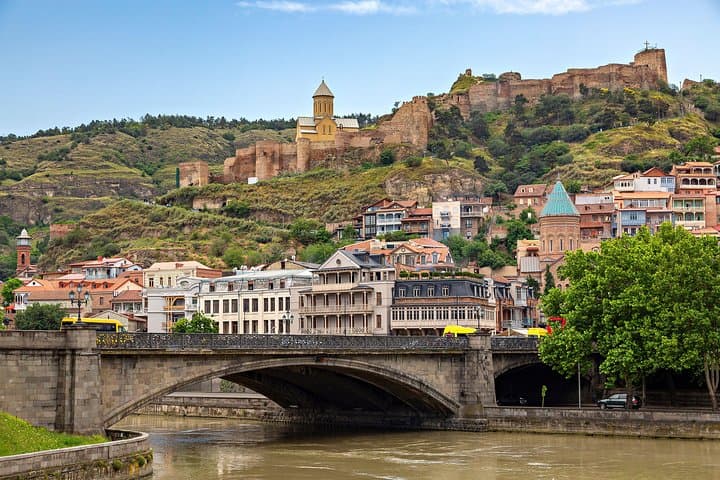
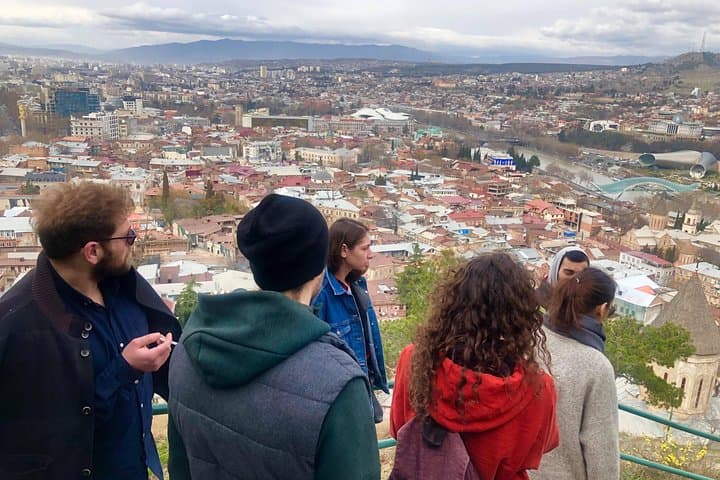
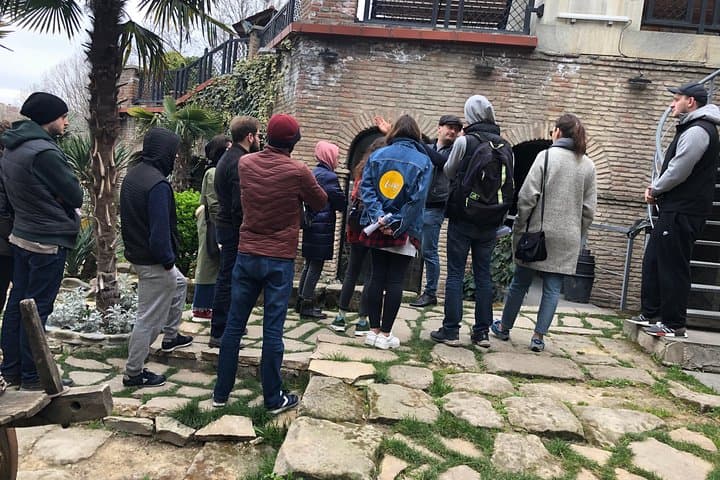
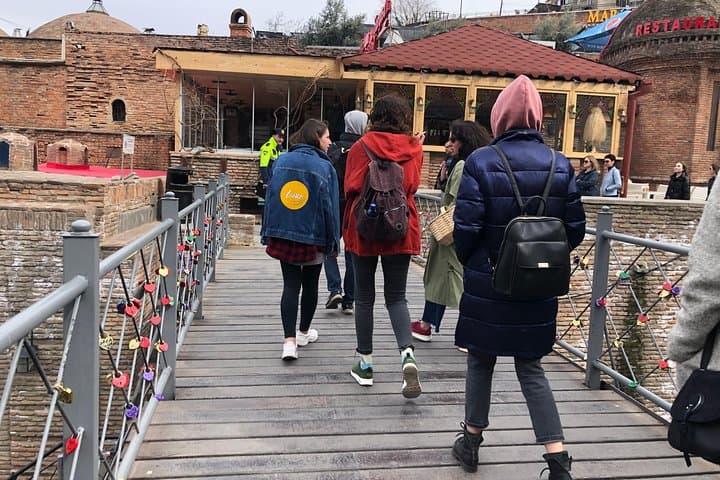
The morning steam from Abanotubani's sulphur baths rises off the river and threads through narrow alleys, and the tour guide leads you up cobbled side streets toward Narikala's weathered stone. You move through doorways that still remember Georgian songs, past tiny marionette windows, and down stairways where the city seems to rearrange itself with every turn.
The morning steam from Abanotubani's sulphur baths rises off the river and threads through narrow alleys, and the tour guide leads you up cobbled side streets toward Narikala's weathered stone. You move through doorways that still remember Georgian songs, past tiny marionette windows, and down stairways where the city seems to rearrange itself with every turn.
This four-hour walking tour traces Tbilisi’s layered history: Persian, Ottoman and Russian influences that shaped the skyline and the winding urban plan. Geologically, the baths sit above natural hot springs fed by deep fault lines—steam and mineral-rich water that have attracted visitors since antiquity. Architecturally, you’ll see the V‑century basilica ruins and remnants of defensive walls that speak to the city’s strategic position on the crossroads of Europe and Asia.
Culturally, the tour threads local life into the monuments—bazaars, bakeries, and the call of vendors offering churchkhela and strong coffee. Look for unexpected moments: puppet windows opening, craftsmen repairing copper roofs, or an impromptu polyphonic song spilling from a courtyard.
Practical guidance: wear grippy shoes and expect steep sections and many stairs; pacing is steady but not rushed. Bring a refillable water bottle, small change for museum donations, and a light layer—the baths’ steam can make shaded alleys cool even on warm days. Photography is welcome but respectful behavior in religious sites is required. The route is private and adaptable; ask about mobility needs when booking to confirm accessibility options.