THE ADVENTURE COLLECTIVE® · Independent discovery and booking for outdoor travel

Spend a thoughtful day from Khao Lak exploring Takuapa Old Town’s Sino‑Portuguese streets, watching traditional taosor cake baking, and visiting the Ban Namkhem Tsunami Museum. This guided tour blends architecture, food, and community history into a six‑hour cultural circuit.
Spend a thoughtful day from Khao Lak exploring Takuapa Old Town’s Sino‑Portuguese streets, watching traditional taosor cake baking, and visiting the Ban Namkhem Tsunami Museum. This guided tour blends architecture, food, and community history into a six‑hour cultural circuit.
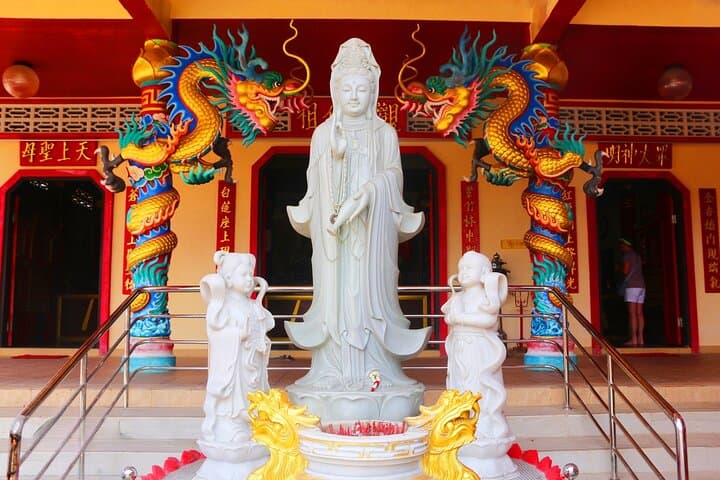
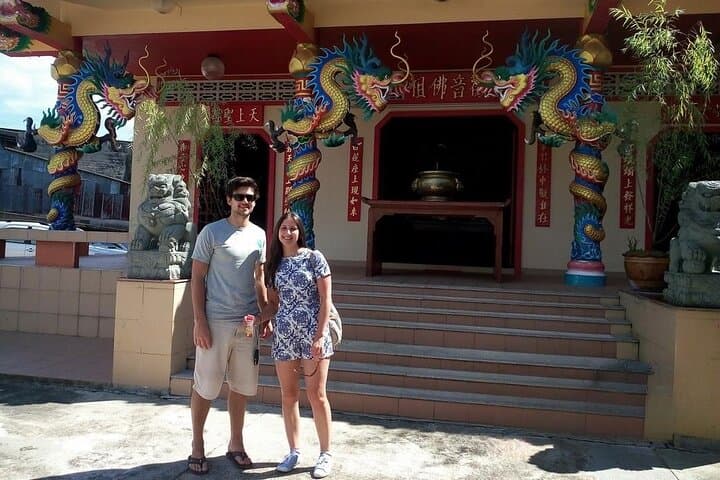
You step off the minivan and the town exhales slow heat and history: narrow lanes open to faded pastel façades, carved wooden shutters, and the clang of a bakery oven. A guide leads the group past a red Chinese shrine where incense threads the air and the town’s layered past—Sino-Portuguese merchants, tin barons, and coastal fishermen—becomes audible in architectural details and street names.
Verified experiences and guided adventures in the surrounding area.
Operated by Siam Scape Journeys · Takuapa, Phang Nga
You step off the minivan and the town exhales slow heat and history: narrow lanes open to faded pastel façades, carved wooden shutters, and the clang of a bakery oven. A guide leads the group past a red Chinese shrine where incense threads the air and the town’s layered past—Sino-Portuguese merchants, tin barons, and coastal fishermen—becomes audible in architectural details and street names.
Takua Pa (Takuapa) grew as a tin‑mining hub in the 19th century, its prosperity visible in shop-houses and decorative tilework. The geology of Phang Nga—limestone hills and coastal plain—shaped trade routes that brought Chinese settlers and colonial-era merchants, leaving a distinctive built environment. Local culture still orbits food and faith: the famed tuangrat taosor cake is both a recipe and a social ritual, and small shrines link families to maritime traditions.
Practical guidance: plan for six hours with several short walks on uneven sidewalks and some standing during demonstrations. Wear respectful clothing for temple visits (no sleeveless tops or short shorts), bring a refillable bottle—water is provided but summer heat is real—and carry light rain protection in the wet season. Photography is welcomed but ask before shooting inside homes or at memorial exhibits. The Ban Namkhem Tsunami Museum is moving and requires quiet attention; allow at least 45–60 minutes.
Timing matters: morning departures dodge the hottest sun and late-afternoon light flatters the old façades. Expect local pace, friendly vendors, and a mix of urban textures—mural‑painted alleys, bakery steam, and river views—that make this a compact cultural day well suited to curious travelers.
easy.
6 hours.
Suitable for most fitness levels; involves several short walks and standing periods—basic mobility required.
Yes—hotel transfer from Khao Lak is included; confirm your pickup point when booking.
Lunch and drinking water are included as part of the tour.
The tour is rated easy and suitable for families and older travelers, but it is not recommended for pregnant guests or those with serious back or heart conditions.
Full refunds are available if you cancel at least 24 hours before departure; the operator may cancel for bad weather or low participation.
Takua Pa’s prosperity rose from 19th‑century tin mining and Chinese merchant networks, visible today in shop‑house architecture and community festivals.
The Ban Namkhem Tsunami Museum promotes community remembrance and resilience; visitors are encouraged to support local businesses and avoid single‑use plastics to reduce litter.
Siam Scape Journeys operates guided outdoor trips and adventures with an emphasis on safety, stewardship, and memorable experiences.
You step off the minivan and the town exhales slow heat and history: narrow lanes open to faded pastel façades, carved wooden shutters, and the clang of a bakery oven. A guide leads the group past a red Chinese shrine where incense threads the air and the town’s layered past—Sino-Portuguese merchants, tin barons, and coastal fishermen—becomes audible in architectural details and street names.
You step off the minivan and the town exhales slow heat and history: narrow lanes open to faded pastel façades, carved wooden shutters, and the clang of a bakery oven. A guide leads the group past a red Chinese shrine where incense threads the air and the town’s layered past—Sino-Portuguese merchants, tin barons, and coastal fishermen—becomes audible in architectural details and street names.
Takua Pa (Takuapa) grew as a tin‑mining hub in the 19th century, its prosperity visible in shop-houses and decorative tilework. The geology of Phang Nga—limestone hills and coastal plain—shaped trade routes that brought Chinese settlers and colonial-era merchants, leaving a distinctive built environment. Local culture still orbits food and faith: the famed tuangrat taosor cake is both a recipe and a social ritual, and small shrines link families to maritime traditions.
Practical guidance: plan for six hours with several short walks on uneven sidewalks and some standing during demonstrations. Wear respectful clothing for temple visits (no sleeveless tops or short shorts), bring a refillable bottle—water is provided but summer heat is real—and carry light rain protection in the wet season. Photography is welcomed but ask before shooting inside homes or at memorial exhibits. The Ban Namkhem Tsunami Museum is moving and requires quiet attention; allow at least 45–60 minutes.
Timing matters: morning departures dodge the hottest sun and late-afternoon light flatters the old façades. Expect local pace, friendly vendors, and a mix of urban textures—mural‑painted alleys, bakery steam, and river views—that make this a compact cultural day well suited to curious travelers.