THE ADVENTURE COLLECTIVE® · Independent discovery and booking for outdoor travel

Join an ISA-certified arborist for a two-hour, hands-on forest experience in the Tahoe Basin — identify tree species, read tree rings, try supervised wood-chopping, and finish with a campfire and s’mores. Practical skills meet local conservation insights in a small-group setting.
Join an ISA-certified arborist for a two-hour, hands-on forest experience in the Tahoe Basin — identify tree species, read tree rings, try supervised wood-chopping, and finish with a campfire and s’mores. Practical skills meet local conservation insights in a small-group setting.
You step out of the shuttle into a pocket of high-elevation forest where the air smells of resin and cold earth. Pines stand watch along a narrow trail, their needles whispering as you follow an ISA-certified arborist who points out distinguishing bark, cone shapes, and shade-tolerant understory plants.
Verified experiences and guided adventures in the surrounding area.
Operated by Adventure Lake Tahoe · South Lake Tahoe, California
You step out of the shuttle into a pocket of high-elevation forest where the air smells of resin and cold earth. Pines stand watch along a narrow trail, their needles whispering as you follow an ISA-certified arborist who points out distinguishing bark, cone shapes, and shade-tolerant understory plants.
Lake Tahoe’s forests are younger than they look; glacially carved basins and volcanic substrates shaped the soils while centuries of Indigenous stewardship by the Washoe people and later logging and fire suppression have altered tree age-class patterns. On this walk you’ll read tree rings to estimate age, learning how growth scars record drought, beetle outbreaks, and fire — a practical history written in wood.
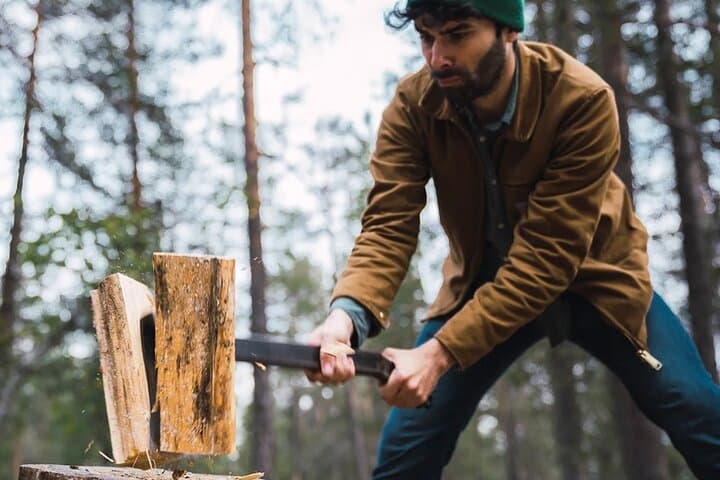
Culturally, the experience bridges natural history and modern conservation: arborists teaching thinning, defensible-space practices, and how selective wood removal reduces wildfire risk. The log-splitting demo gives a tactile sense of wood density and structure; a supervised axe-swing option is offered for those comfortable trying controlled strikes. The session closes at a small campfire with hot cocoa and s’mores, a low-key social finish that reinforces campfire safety and Leave No Trace principles.
Practical guidance: wear sturdy footwear and layers (mountain temperatures shift fast), bring water, and arrive ready to stand and walk for short stretches on uneven ground. Expect gentle elevation changes, limited cell service, and a small group format that encourages questions. This two-hour, accessible session suits anyone curious about forestry, wildfire mitigation, or hands-on outdoor skills.
easy.
2 hours.
Suitable for most fitness levels; requires short walks on uneven ground and standing during demonstrations.
Yes — the log-splitting demo allows optional supervised participation; guides provide safety instruction and protective gear when appropriate.
The walk is rated easy and suitable for most ages, but children should be supervised and anyone with mobility concerns should notify the operator in advance.
The operator may cancel for poor weather or unsafe conditions; check the cancellation policy and plan for layers and waterproof outerwear.
Service animals are allowed; non-service pets are generally not permitted due to shuttle and safety constraints—confirm with the operator first.
The Tahoe Basin was traditionally used by the Washoe people; later logging and decades of fire suppression altered forest composition, informing today’s restoration and fuel-reduction practices.
This program emphasizes wildfire mitigation and responsible wood use; participants are encouraged to follow Leave No Trace and local fire regulations to reduce human impact.
Adventure Lake Tahoe operates guided outdoor trips and adventures with an emphasis on safety, stewardship, and memorable experiences.
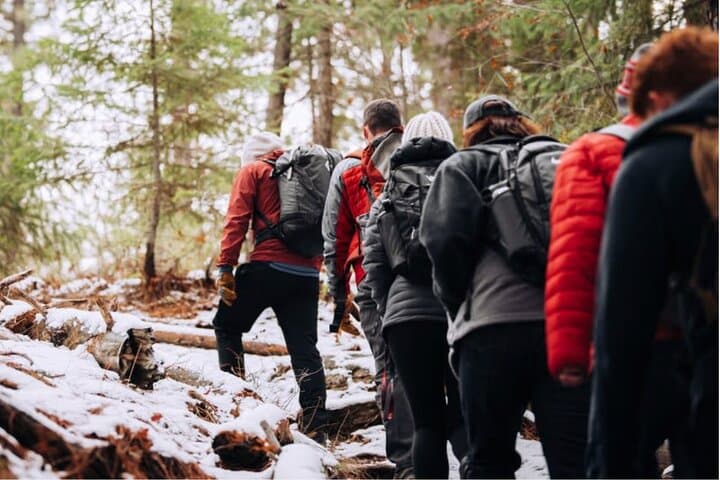
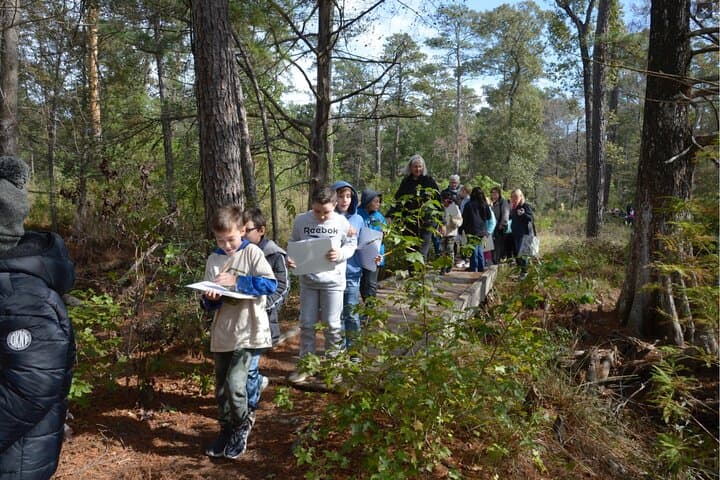
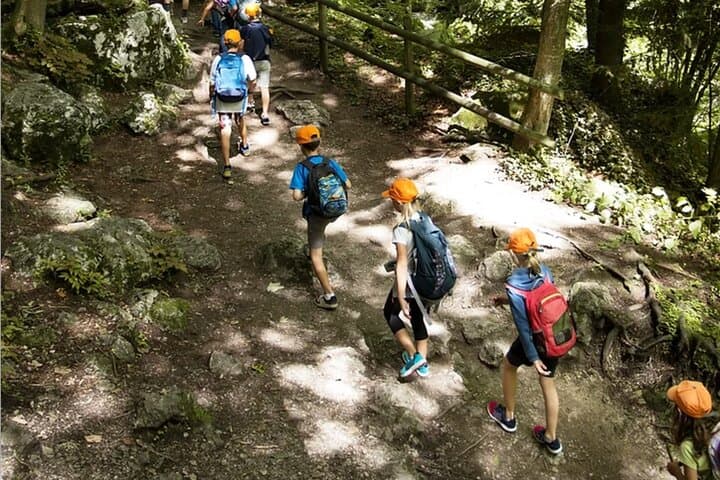
You step out of the shuttle into a pocket of high-elevation forest where the air smells of resin and cold earth. Pines stand watch along a narrow trail, their needles whispering as you follow an ISA-certified arborist who points out distinguishing bark, cone shapes, and shade-tolerant understory plants.
You step out of the shuttle into a pocket of high-elevation forest where the air smells of resin and cold earth. Pines stand watch along a narrow trail, their needles whispering as you follow an ISA-certified arborist who points out distinguishing bark, cone shapes, and shade-tolerant understory plants.
Lake Tahoe’s forests are younger than they look; glacially carved basins and volcanic substrates shaped the soils while centuries of Indigenous stewardship by the Washoe people and later logging and fire suppression have altered tree age-class patterns. On this walk you’ll read tree rings to estimate age, learning how growth scars record drought, beetle outbreaks, and fire — a practical history written in wood.
Culturally, the experience bridges natural history and modern conservation: arborists teaching thinning, defensible-space practices, and how selective wood removal reduces wildfire risk. The log-splitting demo gives a tactile sense of wood density and structure; a supervised axe-swing option is offered for those comfortable trying controlled strikes. The session closes at a small campfire with hot cocoa and s’mores, a low-key social finish that reinforces campfire safety and Leave No Trace principles.
Practical guidance: wear sturdy footwear and layers (mountain temperatures shift fast), bring water, and arrive ready to stand and walk for short stretches on uneven ground. Expect gentle elevation changes, limited cell service, and a small group format that encourages questions. This two-hour, accessible session suits anyone curious about forestry, wildfire mitigation, or hands-on outdoor skills.