THE ADVENTURE COLLECTIVE® · Independent discovery and booking for outdoor travel

Take a full-day private tour from Puerto Princesa to Tabon Cave Complex at Lipuun Point: a hands-on archaeological site with limestone chambers, ancient artifacts, and coastal views. Expect long transfers, uneven trails, and a close-up look at Palawan's deep past.
Take a full-day private tour from Puerto Princesa to Tabon Cave Complex at Lipuun Point: a hands-on archaeological site with limestone chambers, ancient artifacts, and coastal views. Expect long transfers, uneven trails, and a close-up look at Palawan's deep past.
Morning light wedges through coastal palms as the minivan slips out of Puerto Princesa and the road simplifies into rice paddies and scrubby karst silhouette. By the time the bus drops you at Quezon, the shoreline opens: low cliffs, Lipuun Point, and the limestone mouths that hold 25,000–40,000 years of human activity. The first steps into Tabon Cave are quiet—rock chambers cool and echo with the slow drip of groundwater that shaped this coastline.
Verified experiences and guided adventures in the surrounding area.
Operated by Corazon Travel and Tours · Quezon, Palawan
Morning light wedges through coastal palms as the minivan slips out of Puerto Princesa and the road simplifies into rice paddies and scrubby karst silhouette. By the time the bus drops you at Quezon, the shoreline opens: low cliffs, Lipuun Point, and the limestone mouths that hold 25,000–40,000 years of human activity. The first steps into Tabon Cave are quiet—rock chambers cool and echo with the slow drip of groundwater that shaped this coastline.
Archaeology here is immediate and tactile. Excavations in the mid-20th century produced shell middens, stone tools, and the remains known locally as Tabon Man, evidence that people camped and worked these caves long before modern Palawan towns existed. Geologically, the complex is classic tropical karst—soluble limestone carved into caverns, narrow passages and platforms that look back to sea-level changes and rising tides.
Local communities around Quezon still fish the bays and tend small gardens; visitors will often taste a lunchtime snapshot of Palawan flavors near Lipuun Point. Guides explain both the scientific finds and the cultural threads that link today's villages to ancient shorelines.
Practicalities: the full day runs 8–10 hours with a 5:30 AM pickup and a three-hour drive each way; the cave visit itself is about three hours. Paths are uneven and sometimes muddy—sturdy, closed-toe shoes and a headlamp or flashlight help. Bring water, sunscreen, and insect repellent; expect limited shelter between beach and cave. Respect barriers and fragile formations—this place is both archaeological site and living ecosystem. With a little planning, the Tabon Cave day tour delivers history, landscape, and the steady, tactile thrill of walking where people have lived for millennia.
moderate.
8–10 hours.
Moderate fitness: you should be comfortable walking for a few hours on uneven ground and climbing short stair-like rock steps
Expect about three hours each way by air-conditioned vehicle; the full tour including stops runs roughly 8–10 hours.
Most private tours include admissions and a guide, but confirm with your operator—this listing typically includes admission to the cave complex.
Children with supervision can join but the site has uneven terrain and some climbs; it is not recommended for travelers with significant mobility impairments.
A provided lunch is included; bring snacks and at least 1–2 liters of water for the day, as options between towns can be limited.
Tabon Cave Complex produced some of the earliest evidence for human habitation in the Philippines; mid-20th-century excavations recovered tools, shell middens, and human remains often referred to as 'Tabon Man.'
The limestone formations and archaeological deposits are fragile—stay on marked paths, avoid touching surfaces, and support local guides who steward the site.
Corazon Travel and Tours operates guided outdoor trips and adventures with an emphasis on safety, stewardship, and memorable experiences.
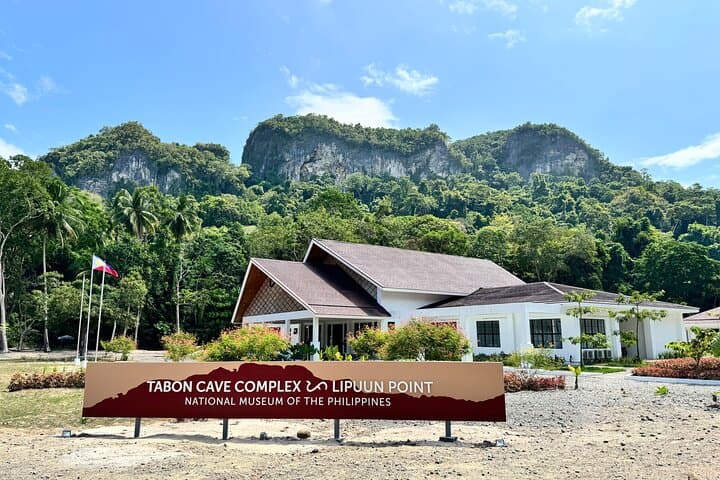
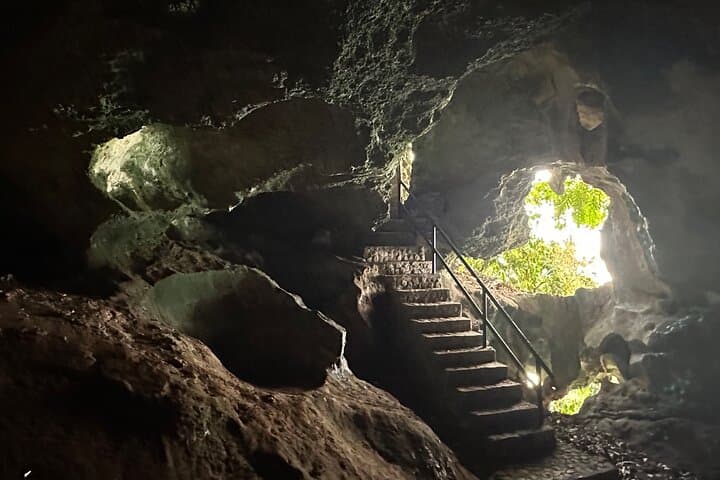
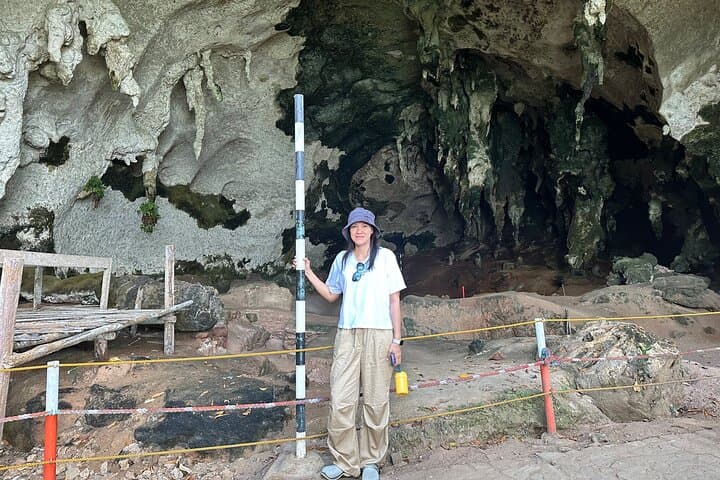
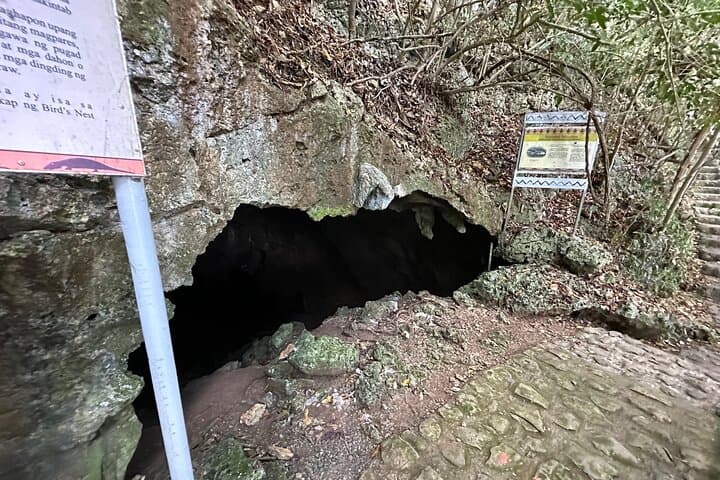
Morning light wedges through coastal palms as the minivan slips out of Puerto Princesa and the road simplifies into rice paddies and scrubby karst silhouette. By the time the bus drops you at Quezon, the shoreline opens: low cliffs, Lipuun Point, and the limestone mouths that hold 25,000–40,000 years of human activity. The first steps into Tabon Cave are quiet—rock chambers cool and echo with the slow drip of groundwater that shaped this coastline.
Morning light wedges through coastal palms as the minivan slips out of Puerto Princesa and the road simplifies into rice paddies and scrubby karst silhouette. By the time the bus drops you at Quezon, the shoreline opens: low cliffs, Lipuun Point, and the limestone mouths that hold 25,000–40,000 years of human activity. The first steps into Tabon Cave are quiet—rock chambers cool and echo with the slow drip of groundwater that shaped this coastline.
Archaeology here is immediate and tactile. Excavations in the mid-20th century produced shell middens, stone tools, and the remains known locally as Tabon Man, evidence that people camped and worked these caves long before modern Palawan towns existed. Geologically, the complex is classic tropical karst—soluble limestone carved into caverns, narrow passages and platforms that look back to sea-level changes and rising tides.
Local communities around Quezon still fish the bays and tend small gardens; visitors will often taste a lunchtime snapshot of Palawan flavors near Lipuun Point. Guides explain both the scientific finds and the cultural threads that link today's villages to ancient shorelines.
Practicalities: the full day runs 8–10 hours with a 5:30 AM pickup and a three-hour drive each way; the cave visit itself is about three hours. Paths are uneven and sometimes muddy—sturdy, closed-toe shoes and a headlamp or flashlight help. Bring water, sunscreen, and insect repellent; expect limited shelter between beach and cave. Respect barriers and fragile formations—this place is both archaeological site and living ecosystem. With a little planning, the Tabon Cave day tour delivers history, landscape, and the steady, tactile thrill of walking where people have lived for millennia.