THE ADVENTURE COLLECTIVE® · Independent discovery and booking for outdoor travel

Ride a flexible loop through Sydney Harbour’s most iconic precincts—from Circular Quay to Manly and Watsons Bay. This hop-on hop-off ferry pass combines sightseeing with practical transit, letting you explore the harbour at your pace.
Ride a flexible loop through Sydney Harbour’s most iconic precincts—from Circular Quay to Manly and Watsons Bay. This hop-on hop-off ferry pass combines sightseeing with practical transit, letting you explore the harbour at your pace.
Step aboard at Circular Quay and the harbour opens like a working stage—sails, steel and sandstone moving past you as gulls argue over scraps. The ferry hums away from the Opera House, cuts across reflective water and drops passengers at lively precincts: Darling Harbour’s waterfront energy, the quiet coves of Watsons Bay, the surf-facing bustle of Manly and the leafy hill above Taronga Zoo.
Verified experiences and guided adventures in the surrounding area.
Operated by Captain Cook Cruises · Sydney, New South Wales
Step aboard at Circular Quay and the harbour opens like a working stage—sails, steel and sandstone moving past you as gulls argue over scraps. The ferry hums away from the Opera House, cuts across reflective water and drops passengers at lively precincts: Darling Harbour’s waterfront energy, the quiet coves of Watsons Bay, the surf-facing bustle of Manly and the leafy hill above Taronga Zoo.
Geology here is plain in the pale sandstone cliffs and rounded coves of Port Jackson, a drowned river valley carved over millennia. The harbour has been a travel corridor for the Gadigal people of the Eora Nation for thousands of years; colonial docks and 19th-century wharves came later, layering maritime commerce onto existing seascapes. Today ferries are both transit and sightseeing: the route stitches heritage sites, beaches and zoo exhibits into a single, flexible loop.
Practically, hop-on hop-off passes (one- or two-day) let travelers disembark at major stops and reboard on another vessel the same route. Boats run frequently from mid-morning through late afternoon; first departures begin around 9:00 a.m. Expect indoor and outdoor seating, smartphone audio guides in multiple languages, and accessible boarding at main wharves.
Timing matters—mornings offer calmer water and softer light for photos, while late afternoons bring warm light across the bridge. Pack sun protection, a refillable bottle, comfortable walking shoes for short shore explorations, and a light layer for harbor breezes. Give yourself extra time at popular stops like Taronga and Manly to soak in the view before the next ferry calls.
easy.
Up to 7 hours (1-day pass) or 2 consecutive days (2-day pass).
Suitable for all fitness levels; expect short walks and stairs at some stops
A complete loop typically runs about 6–7 hours if you stay on board; passes allow you to disembark at stops and reboard later on the same route.
Some ticket options bundle ferry travel with zoo admission—check the specific pass details when booking to confirm inclusion.
Major wharves like Circular Quay and Darling Harbour have accessible boarding; contact the operator ahead for assistance and specific accessibility info.
Late morning to early afternoon is ideal for beaches and waterside dining; arrive early on weekends to avoid peak crowds and limited parking.
Sydney Harbour (Port Jackson) was a transport and meeting area for the Gadigal people long before European settlement; colonial maritime infrastructure grew rapidly after the First Fleet in 1788.
Local programs focus on water quality and marine habitat protection—avoid single-use plastics and respect shoreline signage to reduce disturbance to wildlife.
Captain Cook Cruises operates guided outdoor trips and adventures with an emphasis on safety, stewardship, and memorable experiences.
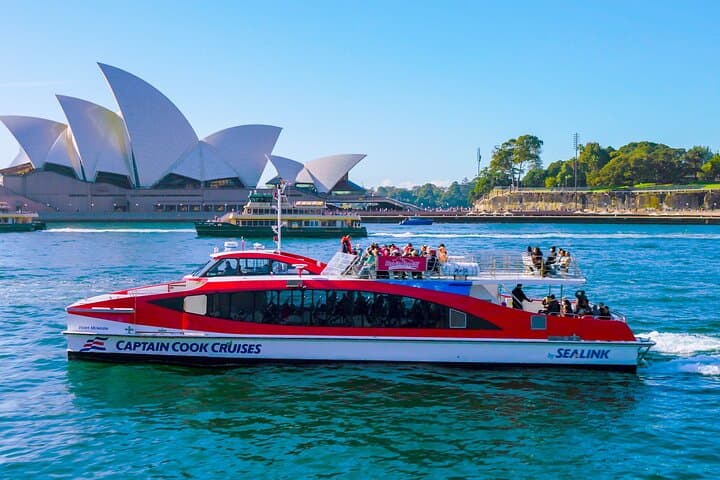
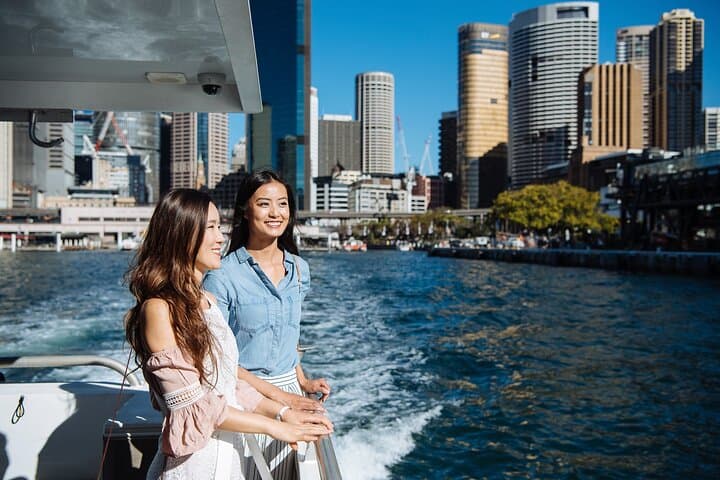
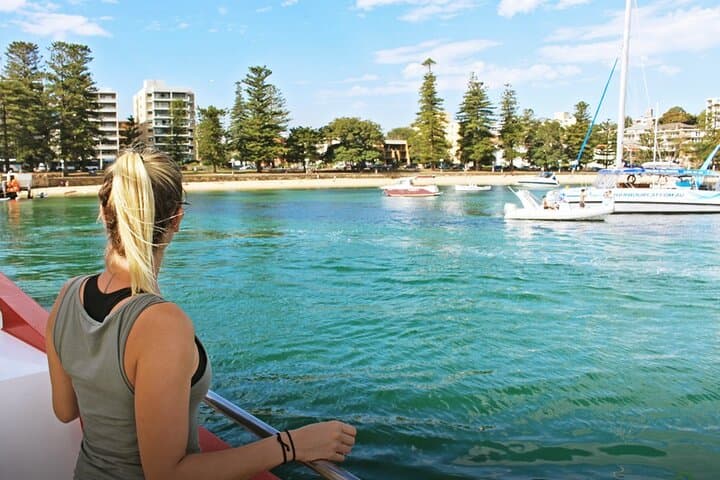
Step aboard at Circular Quay and the harbour opens like a working stage—sails, steel and sandstone moving past you as gulls argue over scraps. The ferry hums away from the Opera House, cuts across reflective water and drops passengers at lively precincts: Darling Harbour’s waterfront energy, the quiet coves of Watsons Bay, the surf-facing bustle of Manly and the leafy hill above Taronga Zoo.
Step aboard at Circular Quay and the harbour opens like a working stage—sails, steel and sandstone moving past you as gulls argue over scraps. The ferry hums away from the Opera House, cuts across reflective water and drops passengers at lively precincts: Darling Harbour’s waterfront energy, the quiet coves of Watsons Bay, the surf-facing bustle of Manly and the leafy hill above Taronga Zoo.
Geology here is plain in the pale sandstone cliffs and rounded coves of Port Jackson, a drowned river valley carved over millennia. The harbour has been a travel corridor for the Gadigal people of the Eora Nation for thousands of years; colonial docks and 19th-century wharves came later, layering maritime commerce onto existing seascapes. Today ferries are both transit and sightseeing: the route stitches heritage sites, beaches and zoo exhibits into a single, flexible loop.
Practically, hop-on hop-off passes (one- or two-day) let travelers disembark at major stops and reboard on another vessel the same route. Boats run frequently from mid-morning through late afternoon; first departures begin around 9:00 a.m. Expect indoor and outdoor seating, smartphone audio guides in multiple languages, and accessible boarding at main wharves.
Timing matters—mornings offer calmer water and softer light for photos, while late afternoons bring warm light across the bridge. Pack sun protection, a refillable bottle, comfortable walking shoes for short shore explorations, and a light layer for harbor breezes. Give yourself extra time at popular stops like Taronga and Manly to soak in the view before the next ferry calls.