THE ADVENTURE COLLECTIVE® · Independent discovery and booking for outdoor travel

Walk the grounds of a working sugarcane farm and explore an 1830s manor, original outbuildings and slave quarters on a guided 1–2 hour tour. Learn the plantation’s ties to the Mississippi River, local industry and post-Civil War history while getting practical tips for visiting.
Walk the grounds of a working sugarcane farm and explore an 1830s manor, original outbuildings and slave quarters on a guided 1–2 hour tour. Learn the plantation’s ties to the Mississippi River, local industry and post-Civil War history while getting practical tips for visiting.
The afternoon light along River Road cuts across fields of standing cane; the Mississippi, broad and patient, pushes a salty air inland that seems to want to tell the place’s story. You step through a low gate and the manor house greets you—an 1830s core expanded in the 1850s—while outbuildings and original slave quarters hold quieter chapters of daily life.
Verified experiences and guided adventures in the surrounding area.
Operated by St. Joseph Plantation · Vacherie, Louisiana
The afternoon light along River Road cuts across fields of standing cane; the Mississippi, broad and patient, pushes a salty air inland that seems to want to tell the place’s story. You step through a low gate and the manor house greets you—an 1830s core expanded in the 1850s—while outbuildings and original slave quarters hold quieter chapters of daily life.
St. Joseph is one of the few largely intact sugar plantations in the River Parishes. The house you visit grew on dowry money and was later bought and renamed by the Waguespack family in the late 19th century; the property evolved alongside Louisiana’s sugar economy and post-Civil War adjustments. Geologically the site sits on the Mississippi’s alluvial floodplain—rich, flat soils that made commercial sugarcane possible and shaped settlement patterns along the river.
Culturally the plantation calls for attention to both architecture and human stories: detached kitchens, a blacksmith’s shop, and schoolhouse offer context for labor, craft, and community. Guides speak in English and usually move at a steady, accessible pace, pointing out features moved on the property and those still in place.
Practical guidance: tours last about 1–2 hours and begin at the gift shop (check in there). The route is mainly flat dirt and packed paths—suitable for most fitness levels—so bring sun protection and water. Expect intimate group sizes and a focus on history rather than strenuous activity. Allow time afterward to walk the grounds, photograph the canopy-lined lanes, and reflect on the complex history that shaped the landscape.
easy.
1–2 hours.
Suitable for most fitness levels; minimal walking and no steep climbs.
Tours typically last between 60 and 120 minutes and cover the manor house, outbuildings and a walk of the grounds.
Some grounds are flat, but historic buildings include steps and uneven floors; contact staff ahead for specific accessibility accommodations.
Yes—this is family-friendly, but some exhibits address difficult historical subjects and may require parental guidance.
No; this tour focuses on St. Joseph Plantation and its exhibits—other nearby plantations require separate admission.
The St. Joseph House core dates to the 1830s and was expanded in the 1850s; the Waguespack family bought and renamed the property in 1877 and later merged holdings with nearby Felicity Plantation.
The plantation operates on working sugarcane land—visitors are asked to stay on paths and avoid trampling cane; the site balances agricultural use with preservation of historic structures.
St. Joseph Plantation operates guided outdoor trips and adventures with an emphasis on safety, stewardship, and memorable experiences.
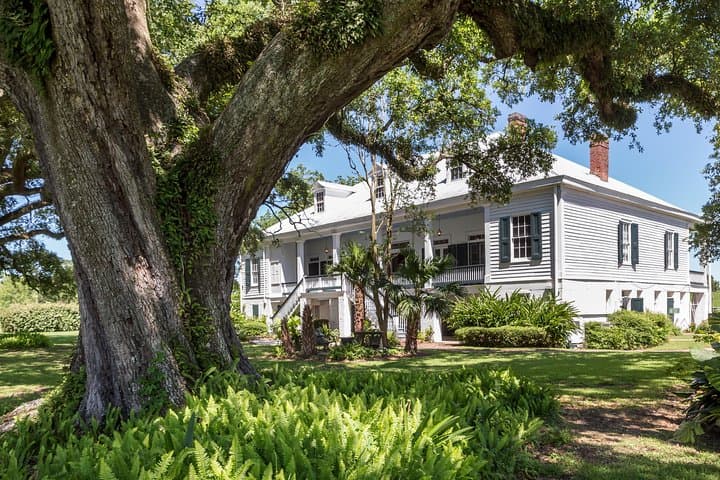
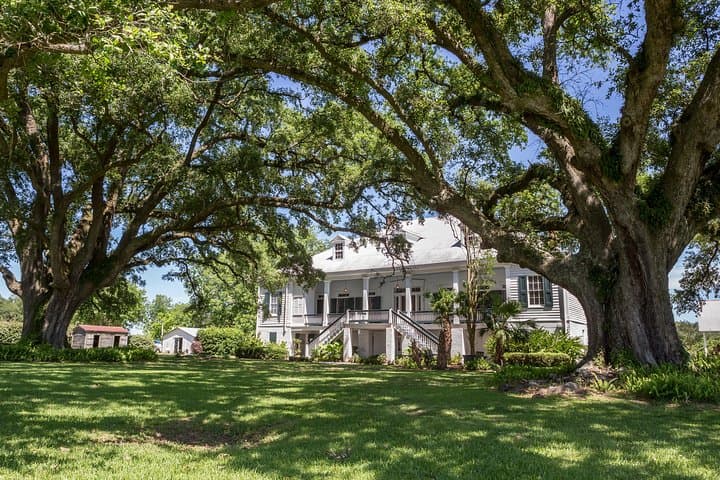
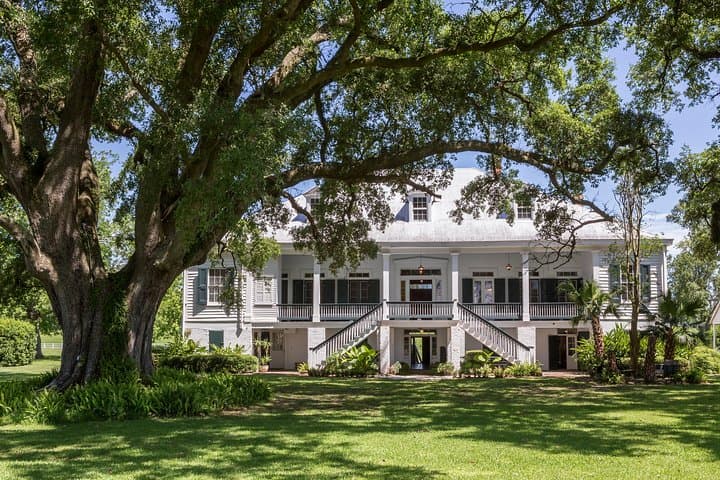
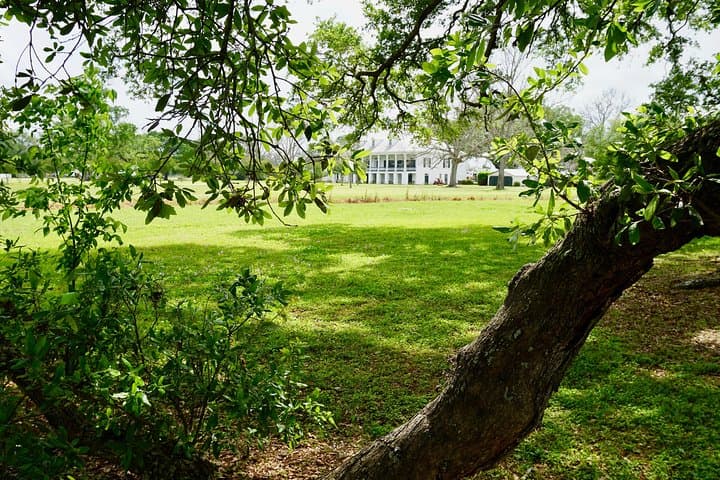
The afternoon light along River Road cuts across fields of standing cane; the Mississippi, broad and patient, pushes a salty air inland that seems to want to tell the place’s story. You step through a low gate and the manor house greets you—an 1830s core expanded in the 1850s—while outbuildings and original slave quarters hold quieter chapters of daily life.
The afternoon light along River Road cuts across fields of standing cane; the Mississippi, broad and patient, pushes a salty air inland that seems to want to tell the place’s story. You step through a low gate and the manor house greets you—an 1830s core expanded in the 1850s—while outbuildings and original slave quarters hold quieter chapters of daily life.
St. Joseph is one of the few largely intact sugar plantations in the River Parishes. The house you visit grew on dowry money and was later bought and renamed by the Waguespack family in the late 19th century; the property evolved alongside Louisiana’s sugar economy and post-Civil War adjustments. Geologically the site sits on the Mississippi’s alluvial floodplain—rich, flat soils that made commercial sugarcane possible and shaped settlement patterns along the river.
Culturally the plantation calls for attention to both architecture and human stories: detached kitchens, a blacksmith’s shop, and schoolhouse offer context for labor, craft, and community. Guides speak in English and usually move at a steady, accessible pace, pointing out features moved on the property and those still in place.
Practical guidance: tours last about 1–2 hours and begin at the gift shop (check in there). The route is mainly flat dirt and packed paths—suitable for most fitness levels—so bring sun protection and water. Expect intimate group sizes and a focus on history rather than strenuous activity. Allow time afterward to walk the grounds, photograph the canopy-lined lanes, and reflect on the complex history that shaped the landscape.