THE ADVENTURE COLLECTIVE® · Independent discovery and booking for outdoor travel

A 14-night circuit that threads Sri Lanka’s sacred cities, hill-country tea estates, coastal whale grounds, and mangrove waterways into a single practical itinerary. Expect temples, tea plucking, a hill-country train, and hands-on conservation visits.
A 14-night circuit that threads Sri Lanka’s sacred cities, hill-country tea estates, coastal whale grounds, and mangrove waterways into a single practical itinerary. Expect temples, tea plucking, a hill-country train, and hands-on conservation visits.
The bus pulls out of Bandaranaike International Airport before dawn, and Sri Lanka arrives slowly, like a country waking: palms flexing above rice paddies, a tea-scented breeze that moves through the hills, and temple flags snapping against blue sky. Over the next two weeks the island keeps changing character — from the ancient brick stupas of Anuradhapura to the misted ridges around Ella, from whales breaching off Mirissa to the slow eddies of the Madu River that still remember Dutch skiffs.
Verified experiences and guided adventures in the surrounding area.
Operated by Seasons Travels · Colombo, Western Province
The bus pulls out of Bandaranaike International Airport before dawn, and Sri Lanka arrives slowly, like a country waking: palms flexing above rice paddies, a tea-scented breeze that moves through the hills, and temple flags snapping against blue sky. Over the next two weeks the island keeps changing character — from the ancient brick stupas of Anuradhapura to the misted ridges around Ella, from whales breaching off Mirissa to the slow eddies of the Madu River that still remember Dutch skiffs.
This is an itinerary arranged around the island’s essential layers of history and landscape. Anuradhapura and Polonnaruwa are living chapters of Sri Lanka’s early kingdoms; Sigiriya’s rock fortress is a 5th-century engineering showpiece hewn from volcanic rhyolite. Kandy holds the Tooth Relic and the rhythms of Kandyan ceremony; the hill country’s geology — folded highlands carved by millennia of rainfall — supports the tea estates where colonial-era plantations still mark the slopes.
Locally led experiences are threaded through the route: a tea-plucking lesson beside steaming withered leaves, a tuk‑tuk through Anuradhapura’s monastic ruins, and a night at a turtle conservation center watching volunteers tend hatchlings before they find the sea. Wildlife and birding appear in unexpected places — elephants grazing at dusk on the outskirts of cultural parks, kingfishers flicking along mangrove channels — and the coastline offers a different draw: Mirissa’s seasonal whale-watching, where the ocean pushes you to look outward.
Practical rhythm matters. Days are paced with guided visits in the mornings and open afternoons for self-directed exploration; travel between sites is handled by a private chauffeur-guide and domestic transfers are included. Expect early starts at historic sites to avoid heat and crowds, and allow extra time for the hill-country rail segment — the train is famously slow but the views justify a relaxed schedule.
Pack for variety: breathable layers for humid lowlands, a warm layer for cool nights in Ella, a rain jacket for sudden tropical showers, and solid walking shoes for temple steps and estate trails. Hydration and sun protection are basic requirements; insect repellent is essential in wetland and coastal stops. Respect temple etiquette — shoulders and knees covered, shoes removed — and follow guides’ instructions at wildlife centers to minimize disturbance.
For travelers who want a blend of culture, light adventure, and nature, this two-week circuit reads like a practical primer on Sri Lanka. It’s less about endurance and more about attention: being present for an early-morning puja in Kandy, timing a hilltop walk for sunrise at Little Adam’s Peak, or leaning over a boat rail as mangrove islands drift by. The island’s landscapes are active participants — rivers that push forward, cliffs that hold memory — and the itinerary is built so travelers can move with them, not past them.
moderate.
14–15 days.
Suitable for travelers in fair health; requires stair climbs, short hikes (Little Adam’s Peak) and long transfers.
Yes; the itinerary lists the tour as suitable for all fitness levels and includes accommodations and transfers, though some days involve early starts and active sites.
Most entrance fees for listed highlights and breakfasts/dinners are included; lunches are typically self-arranged as noted in the daily program.
Expect moderate walking with stairs and uneven surfaces at ruins and temples; Little Adam’s Peak requires a short uphill hike of roughly 45–60 minutes.
Yes; the itinerary includes hotel meals and an English-speaking guide who can communicate dietary needs, but bring specifics and any specialty items you require.
The island has regional monsoon patterns; the most comfortable windows are December–March for the southwest and April–September for the east and north — plan based on the areas you most want to visit.
Yes — pickup from the arrival airport is provided and the tour begins with a transfer to Negombo or Colombo as listed.
The route follows Sri Lanka’s laterite and stone-built capitals, tracing political and religious shifts from Anuradhapura’s early Buddhist monasteries to the Portuguese and Dutch coastal forts.
Local conservation centers focus on sea turtle rehabilitation and mangrove protection; visitors are encouraged to support licensed projects and avoid single-use plastics.
Seasons Travels operates guided outdoor trips and adventures with an emphasis on safety, stewardship, and memorable experiences.
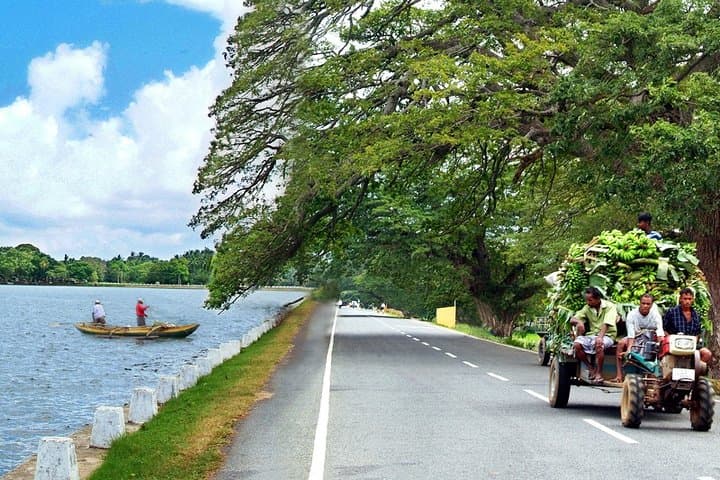
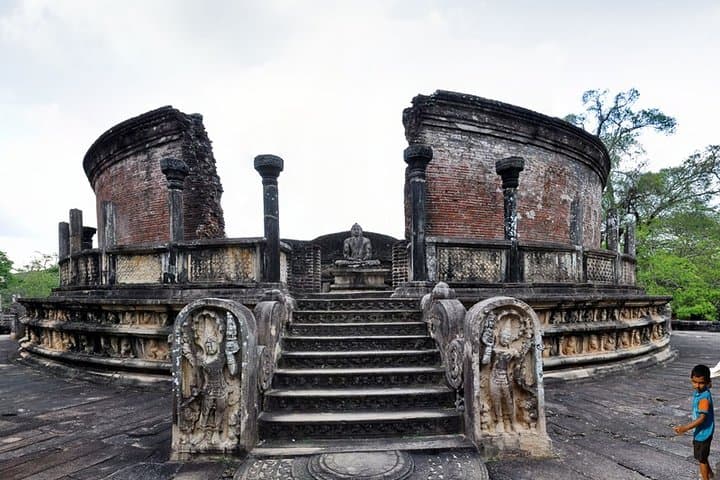
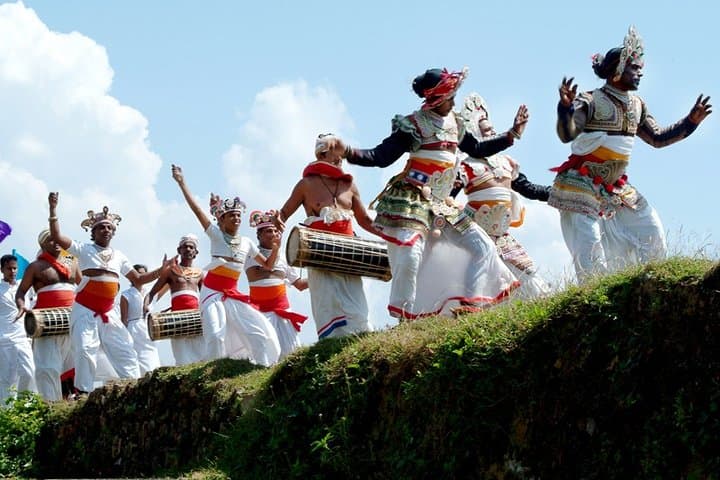
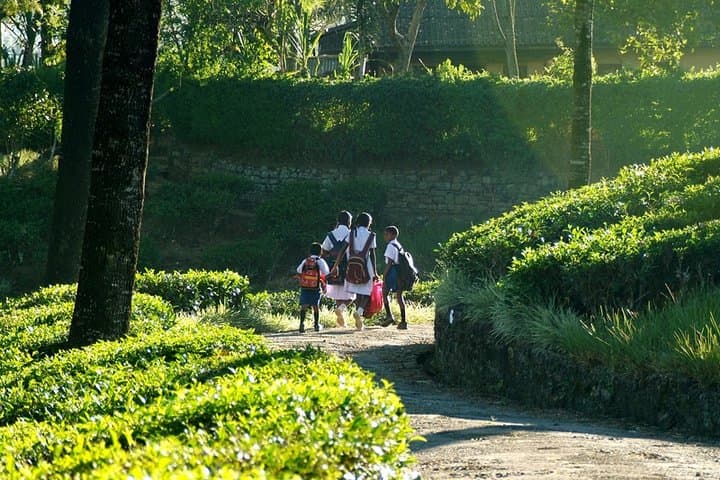
The bus pulls out of Bandaranaike International Airport before dawn, and Sri Lanka arrives slowly, like a country waking: palms flexing above rice paddies, a tea-scented breeze that moves through the hills, and temple flags snapping against blue sky. Over the next two weeks the island keeps changing character — from the ancient brick stupas of Anuradhapura to the misted ridges around Ella, from whales breaching off Mirissa to the slow eddies of the Madu River that still remember Dutch skiffs.
The bus pulls out of Bandaranaike International Airport before dawn, and Sri Lanka arrives slowly, like a country waking: palms flexing above rice paddies, a tea-scented breeze that moves through the hills, and temple flags snapping against blue sky. Over the next two weeks the island keeps changing character — from the ancient brick stupas of Anuradhapura to the misted ridges around Ella, from whales breaching off Mirissa to the slow eddies of the Madu River that still remember Dutch skiffs.
This is an itinerary arranged around the island’s essential layers of history and landscape. Anuradhapura and Polonnaruwa are living chapters of Sri Lanka’s early kingdoms; Sigiriya’s rock fortress is a 5th-century engineering showpiece hewn from volcanic rhyolite. Kandy holds the Tooth Relic and the rhythms of Kandyan ceremony; the hill country’s geology — folded highlands carved by millennia of rainfall — supports the tea estates where colonial-era plantations still mark the slopes.
Locally led experiences are threaded through the route: a tea-plucking lesson beside steaming withered leaves, a tuk‑tuk through Anuradhapura’s monastic ruins, and a night at a turtle conservation center watching volunteers tend hatchlings before they find the sea. Wildlife and birding appear in unexpected places — elephants grazing at dusk on the outskirts of cultural parks, kingfishers flicking along mangrove channels — and the coastline offers a different draw: Mirissa’s seasonal whale-watching, where the ocean pushes you to look outward.
Practical rhythm matters. Days are paced with guided visits in the mornings and open afternoons for self-directed exploration; travel between sites is handled by a private chauffeur-guide and domestic transfers are included. Expect early starts at historic sites to avoid heat and crowds, and allow extra time for the hill-country rail segment — the train is famously slow but the views justify a relaxed schedule.
Pack for variety: breathable layers for humid lowlands, a warm layer for cool nights in Ella, a rain jacket for sudden tropical showers, and solid walking shoes for temple steps and estate trails. Hydration and sun protection are basic requirements; insect repellent is essential in wetland and coastal stops. Respect temple etiquette — shoulders and knees covered, shoes removed — and follow guides’ instructions at wildlife centers to minimize disturbance.
For travelers who want a blend of culture, light adventure, and nature, this two-week circuit reads like a practical primer on Sri Lanka. It’s less about endurance and more about attention: being present for an early-morning puja in Kandy, timing a hilltop walk for sunrise at Little Adam’s Peak, or leaning over a boat rail as mangrove islands drift by. The island’s landscapes are active participants — rivers that push forward, cliffs that hold memory — and the itinerary is built so travelers can move with them, not past them.