THE ADVENTURE COLLECTIVE® · Independent discovery and booking for outdoor travel

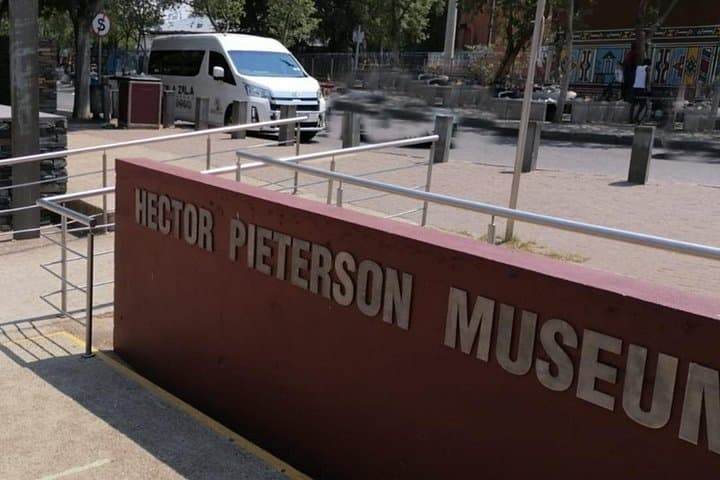
Pair Johannesburg’s Apartheid Museum with a guided drive through Soweto on a focused, private half-day tour. Visit Mandela’s house, stand at the Hector Pieterson memorial, and learn local histories with short walks and a knowledgeable guide.
Pair Johannesburg’s Apartheid Museum with a guided drive through Soweto on a focused, private half-day tour. Visit Mandela’s house, stand at the Hector Pieterson memorial, and learn local histories with short walks and a knowledgeable guide.
You step out of a private vehicle into a street alive with voices and colors — vendors calling, children weaving between taxis, murals stretching up facades — and the city’s pulse rearranges your sense of scale.
Verified experiences and guided adventures in the surrounding area.
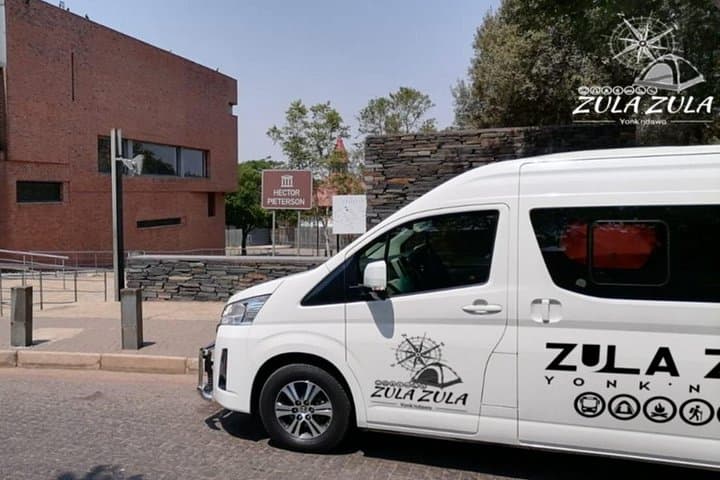
Operated by ZULA ZULA Adventure Bus · Johannesburg, Gauteng
You step out of a private vehicle into a street alive with voices and colors — vendors calling, children weaving between taxis, murals stretching up facades — and the city’s pulse rearranges your sense of scale.
This half-day private tour pairs the Apartheid Museum’s sober galleries with Soweto’s kinetic streets. The museum, on Johannesburg’s southern edge, lays out a chronological arc of South Africa’s 20th-century politics: segregationist policy, the resistance movements, and the long arc toward democracy. In Soweto, former mine dumps and township streets tell a different story — of grassroots organizing, the 1976 students’ uprising, and the households that raised leaders such as Nelson Mandela and Desmond Tutu.
Geologically, you’re traveling across the Highveld: flat to gently rolling dolerite and shale plains that fed Johannesburg’s gold rush and shaped urban sprawl. Culturally, Soweto is a living neighborhood — street food, shebeens, and community murals sit alongside preserved sites like Mandela’s house and the Hector Pieterson memorial.
Practically: expect roughly 4–5 hours including museum time and a guided drive through Soweto with short walks at key stops. Surfaces are paved but uneven in places; much of the tour is wheelchair and stroller accessible, and private transport is provided. Bring a sun hat, reusable water bottle, camera (ask permission before photographing people), and comfortable shoes for brief walks. Aim for morning or late afternoon to avoid midday heat and heavy traffic. Travel with an open mind: this is a history-forward experience that demands respect and rewards curiosity.
easy.
4–5 hours.
Light urban walking; suitable for most fitness levels but able-bodied participants should manage short stairs and curbs.
Yes, this tour itinerary includes admission to the Apartheid Museum as part of the half-day experience.
The tour is family-friendly and wheelchair accessible; some areas in Soweto have uneven sidewalks, but the operator notes stroller and wheelchair accessibility and provides private transport.
Walking is limited to short guided stops (museum galleries and key Soweto sites) while most transit is by private vehicle — expect light walking overall.
Private transport is included and pickups are typically available from central Johannesburg or designated pickup points; confirm your pickup location at booking.
Soweto was central to anti-apartheid resistance; the 1976 student uprisings and leaders who lived here shaped South Africa’s transition to democracy.
Support local guides and small businesses, ask permission before photographing residents, and avoid single-use plastics to reduce tourism’s footprint.
ZULA ZULA Adventure Bus operates guided outdoor trips and adventures with an emphasis on safety, stewardship, and memorable experiences.


You step out of a private vehicle into a street alive with voices and colors — vendors calling, children weaving between taxis, murals stretching up facades — and the city’s pulse rearranges your sense of scale.
You step out of a private vehicle into a street alive with voices and colors — vendors calling, children weaving between taxis, murals stretching up facades — and the city’s pulse rearranges your sense of scale.
This half-day private tour pairs the Apartheid Museum’s sober galleries with Soweto’s kinetic streets. The museum, on Johannesburg’s southern edge, lays out a chronological arc of South Africa’s 20th-century politics: segregationist policy, the resistance movements, and the long arc toward democracy. In Soweto, former mine dumps and township streets tell a different story — of grassroots organizing, the 1976 students’ uprising, and the households that raised leaders such as Nelson Mandela and Desmond Tutu.
Geologically, you’re traveling across the Highveld: flat to gently rolling dolerite and shale plains that fed Johannesburg’s gold rush and shaped urban sprawl. Culturally, Soweto is a living neighborhood — street food, shebeens, and community murals sit alongside preserved sites like Mandela’s house and the Hector Pieterson memorial.
Practically: expect roughly 4–5 hours including museum time and a guided drive through Soweto with short walks at key stops. Surfaces are paved but uneven in places; much of the tour is wheelchair and stroller accessible, and private transport is provided. Bring a sun hat, reusable water bottle, camera (ask permission before photographing people), and comfortable shoes for brief walks. Aim for morning or late afternoon to avoid midday heat and heavy traffic. Travel with an open mind: this is a history-forward experience that demands respect and rewards curiosity.