THE ADVENTURE COLLECTIVE® · Independent discovery and booking for outdoor travel

Walk a 6 km loop from Sovana into hand-carved Via Cava and late Etruscan tombs, then optionally sample local wines. This guided trek blends archaeology, volcanic tuff landscapes, and practical trail conditions suitable for moderately fit hikers.
Walk a 6 km loop from Sovana into hand-carved Via Cava and late Etruscan tombs, then optionally sample local wines. This guided trek blends archaeology, volcanic tuff landscapes, and practical trail conditions suitable for moderately fit hikers.
The trail begins in the quiet stone streets of Sovana, where sun-bleached walls give way to olive groves and a 6 km loop that slips into the deep, hand-carved canyons of the Etruscans. You step from village light into a Via Cava—a narrow, vertical-walled corridor cut by human hands—and the walls seem to watch as you move through the past.
Verified experiences and guided adventures in the surrounding area.
Operated by The Red Road · Sovana, Tuscany
The trail begins in the quiet stone streets of Sovana, where sun-bleached walls give way to olive groves and a 6 km loop that slips into the deep, hand-carved canyons of the Etruscans. You step from village light into a Via Cava—a narrow, vertical-walled corridor cut by human hands—and the walls seem to watch as you move through the past.
These late Etruscan tombs form a scattered necropolis around Sovana, evidence of a civilization that carved burial cities into tuff and lived with stone as its constant companion. Geologically, the area is dominated by volcanic tuff; soft enough to carve, hard enough to endure, it shapes cliffs, gullies, and the distinctive sunken roads. Culturally, Sovana sits near Sorano and Pitigliano, towns that kept Etruscan memory alive through medieval reuse of ancient sites.
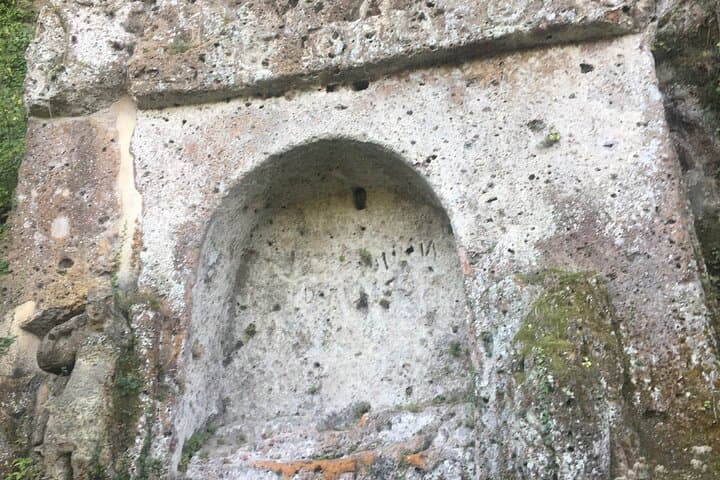
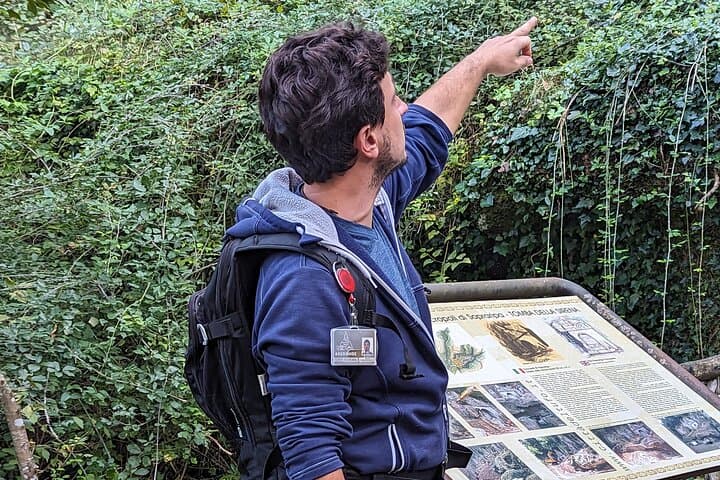
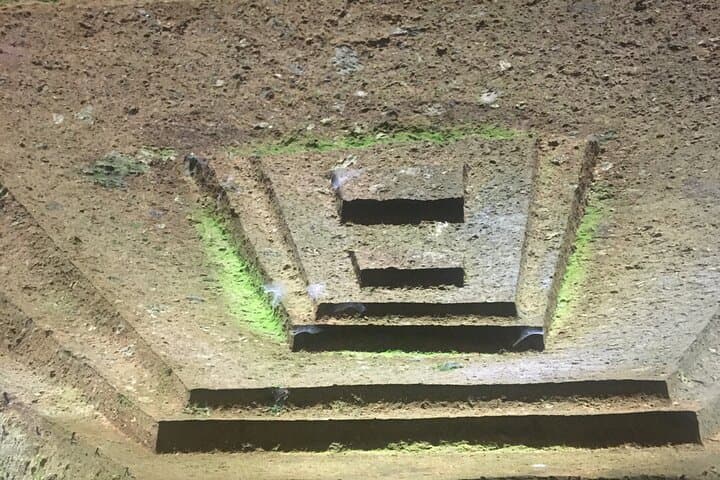
Expect varied terrain: compacted dirt, uneven flagstones, short climbs, and a shallow creek crossing where waterproof shoes are advised. The guide points out tomb facades, chamber plans, and the faint inscriptions that survive; local winemakers often offer a post-hike tasting of young Tuscan wines for an extra fee.
Plan for 2–3 hours on trail with moderate fitness; bring 1–2 liters of water, sturdy footwear, sun protection, and a light layer for canyon shade. Footing can be slick after rain and some passages are narrow—take your time and follow your guide. This is an archaeological walk with a taste of rural Tuscany: history underfoot, views over cultivated hills, and a quiet connection to work done by hands millennia ago.
moderate.
2–3 hours.
Moderately fit — able to handle 6 km on uneven terrain and short climbs
The route is roughly 6 km and takes about 2–3 hours; terrain is uneven with short climbs and a creek crossing, rated moderate.
No — the tasting is optional and paid on site (approximately €15 for several small pours from local producers).
Service animals are allowed; travelers should note the tour isn’t recommended for very young children or people with serious back or heart issues due to uneven terrain.
Shared tours cap around 15 participants; the meeting point is in Sovana and the experience includes a licensed local hiking guide.
Sovana was an important Etruscan center; its necropolises and Vie Cave reflect funerary practices where tomb streets formed concentrated burial neighborhoods.
The soft tuff is fragile—stay on designated paths and avoid touching carved surfaces; local operators promote low-impact visits and small group sizes to protect sites.
The Red Road operates guided outdoor trips and adventures with an emphasis on safety, stewardship, and memorable experiences.

The trail begins in the quiet stone streets of Sovana, where sun-bleached walls give way to olive groves and a 6 km loop that slips into the deep, hand-carved canyons of the Etruscans. You step from village light into a Via Cava—a narrow, vertical-walled corridor cut by human hands—and the walls seem to watch as you move through the past.
The trail begins in the quiet stone streets of Sovana, where sun-bleached walls give way to olive groves and a 6 km loop that slips into the deep, hand-carved canyons of the Etruscans. You step from village light into a Via Cava—a narrow, vertical-walled corridor cut by human hands—and the walls seem to watch as you move through the past.
These late Etruscan tombs form a scattered necropolis around Sovana, evidence of a civilization that carved burial cities into tuff and lived with stone as its constant companion. Geologically, the area is dominated by volcanic tuff; soft enough to carve, hard enough to endure, it shapes cliffs, gullies, and the distinctive sunken roads. Culturally, Sovana sits near Sorano and Pitigliano, towns that kept Etruscan memory alive through medieval reuse of ancient sites.
Expect varied terrain: compacted dirt, uneven flagstones, short climbs, and a shallow creek crossing where waterproof shoes are advised. The guide points out tomb facades, chamber plans, and the faint inscriptions that survive; local winemakers often offer a post-hike tasting of young Tuscan wines for an extra fee.
Plan for 2–3 hours on trail with moderate fitness; bring 1–2 liters of water, sturdy footwear, sun protection, and a light layer for canyon shade. Footing can be slick after rain and some passages are narrow—take your time and follow your guide. This is an archaeological walk with a taste of rural Tuscany: history underfoot, views over cultivated hills, and a quiet connection to work done by hands millennia ago.