THE ADVENTURE COLLECTIVE® · Independent discovery and booking for outdoor travel

Walk beneath Glory Arch into South Glory Cave’s cool chambers and see nearly every type of cave formation within Kosciuszko National Park. This 40–45 minute self-guided loop combines easy interpretive signage with dramatic limestone features — ideal for visitors with moderate fitness and a sense of curiosity.
Walk beneath Glory Arch into South Glory Cave’s cool chambers and see nearly every type of cave formation within Kosciuszko National Park. This 40–45 minute self-guided loop combines easy interpretive signage with dramatic limestone features — ideal for visitors with moderate fitness and a sense of curiosity.
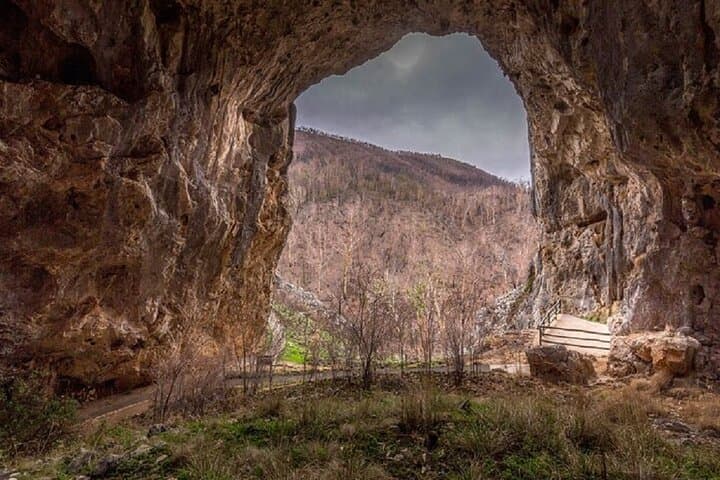
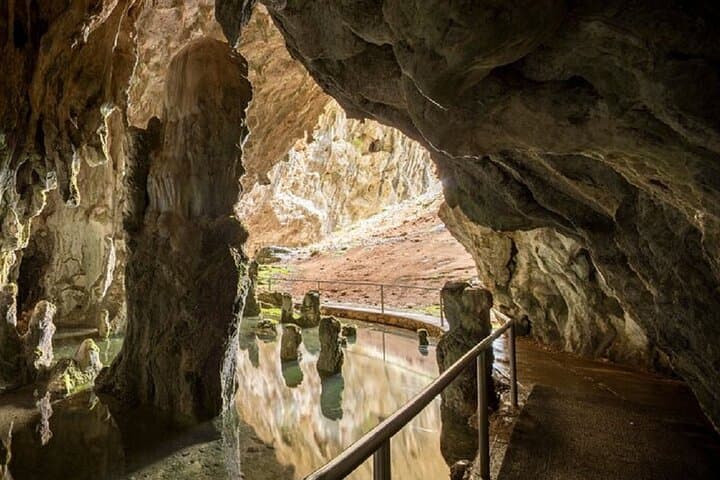
You step through Glory Arch and the light thins, cool air meeting skin as the cave pulls you inward. Sensor lights wake as you move, illuminating white calcite curtains and the rounded ribs of flowstone that climb the chamber walls. The cavern’s hush is punctuated only by dripping water and the soft scrape of footsteps on stone.
Verified experiences and guided adventures in the surrounding area.
Operated by NSW National Parks and Wildlife Service · Yarrangobilly, New South Wales
You step through Glory Arch and the light thins, cool air meeting skin as the cave pulls you inward. Sensor lights wake as you move, illuminating white calcite curtains and the rounded ribs of flowstone that climb the chamber walls. The cavern’s hush is punctuated only by dripping water and the soft scrape of footsteps on stone.
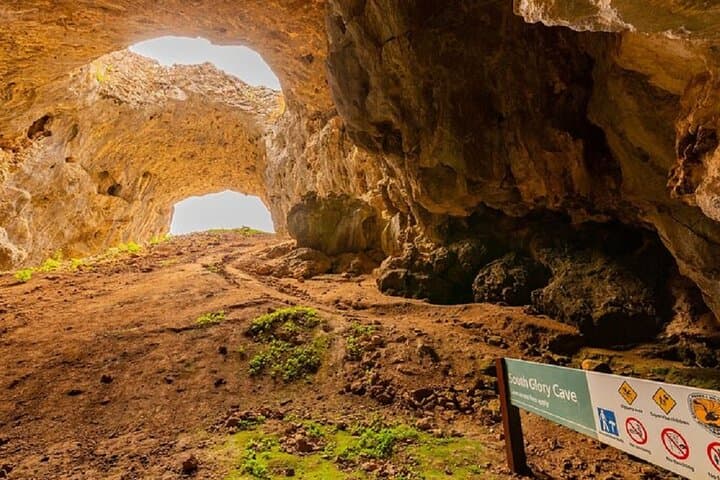
Europeans first recorded Yarrangobilly in the 1830s; the karst here is far older. The limestone belt beneath Kosciuszko National Park formed roughly 440 million years ago, and South Glory Cave displays almost every cave feature — stalactites and stalagmites, delicate helictites, hollow straws, and broad shawls. A daylight shaft gapes 55m above, a reminder of the landscape’s vertical conversations between surface and subterranean.
Culturally, these caves sit on Country that local Aboriginal people traversed long before European exploration, and the karst preserves evidence of past climate shifts and floods in its layers.
Practical details matter: the route from Glory Cave carpark follows a 500m gravel track, then 206 steps and ramps into the main chamber. Expect an average cave temperature around 10°C and damp conditions — a jacket and sturdy footwear are essential. The self-guided loop takes about 40–45 minutes and is signposted, with interpretive panels explaining features like the Ice Age Chamber and the ‘Lamb’s Fleece.’
Plan your visit around daylight and road conditions (the access track can be rough), keep to paths, and limit noise to protect bats and fragile formations. With moderate fitness and basic preparation, South Glory rewards with a close-up lesson in deep time and living geology.
moderate.
40–45 minutes.
Moderate fitness required — able to manage 206 steps and short uphill ramps; suitable for most ages.
The loop takes about 40–45 minutes at a steady pace; you can move faster or linger at points of interest.
Yes, but the route involves 206 steps and some ramps; those with limited mobility should assess step tolerance before visiting.
Expect an average of about 10°C (50°F) year-round and generally damp conditions, so bring a jacket.
Yes — sensor-activated lighting illuminates the route, but a personal torch can help inspect details and take photos.
Europeans first explored the Yarrangobilly caves in the 1830s; the limestone itself dates to roughly 440 million years ago and records past climate events.
Karst systems are fragile; stay on paths, avoid touching formations, and follow park guidance to protect speleothems and bat habitats.
NSW National Parks and Wildlife Service operates guided outdoor trips and adventures with an emphasis on safety, stewardship, and memorable experiences.
You step through Glory Arch and the light thins, cool air meeting skin as the cave pulls you inward. Sensor lights wake as you move, illuminating white calcite curtains and the rounded ribs of flowstone that climb the chamber walls. The cavern’s hush is punctuated only by dripping water and the soft scrape of footsteps on stone.
You step through Glory Arch and the light thins, cool air meeting skin as the cave pulls you inward. Sensor lights wake as you move, illuminating white calcite curtains and the rounded ribs of flowstone that climb the chamber walls. The cavern’s hush is punctuated only by dripping water and the soft scrape of footsteps on stone.
Europeans first recorded Yarrangobilly in the 1830s; the karst here is far older. The limestone belt beneath Kosciuszko National Park formed roughly 440 million years ago, and South Glory Cave displays almost every cave feature — stalactites and stalagmites, delicate helictites, hollow straws, and broad shawls. A daylight shaft gapes 55m above, a reminder of the landscape’s vertical conversations between surface and subterranean.
Culturally, these caves sit on Country that local Aboriginal people traversed long before European exploration, and the karst preserves evidence of past climate shifts and floods in its layers.
Practical details matter: the route from Glory Cave carpark follows a 500m gravel track, then 206 steps and ramps into the main chamber. Expect an average cave temperature around 10°C and damp conditions — a jacket and sturdy footwear are essential. The self-guided loop takes about 40–45 minutes and is signposted, with interpretive panels explaining features like the Ice Age Chamber and the ‘Lamb’s Fleece.’
Plan your visit around daylight and road conditions (the access track can be rough), keep to paths, and limit noise to protect bats and fragile formations. With moderate fitness and basic preparation, South Glory rewards with a close-up lesson in deep time and living geology.