THE ADVENTURE COLLECTIVE® · Independent discovery and booking for outdoor travel

Descend into Romania’s largest salt mine, sip wines on a vineyard terrace, and visit the island monastery linked to Vlad Țepeș. This private day tour from Bucharest pairs geological wonder with regional food and history.
Descend into Romania’s largest salt mine, sip wines on a vineyard terrace, and visit the island monastery linked to Vlad Țepeș. This private day tour from Bucharest pairs geological wonder with regional food and history.
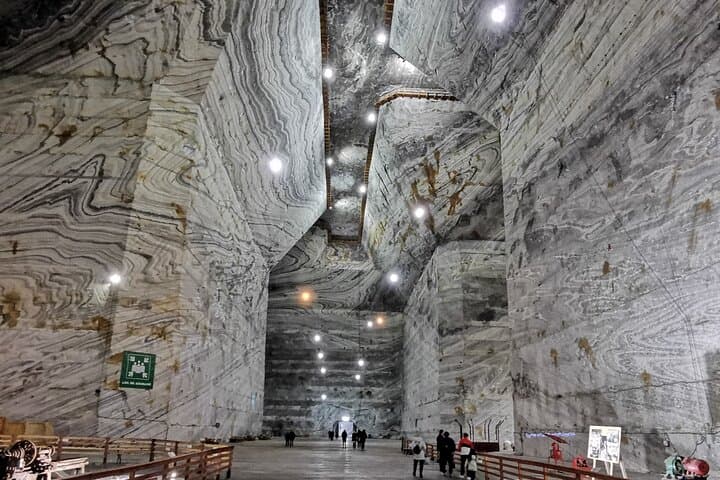
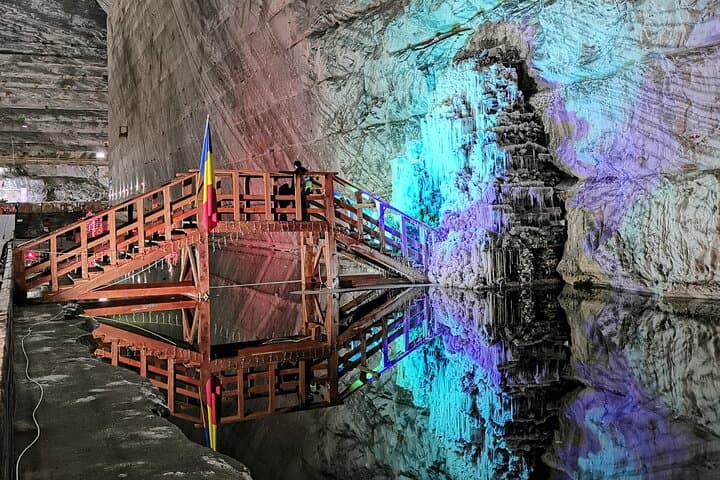
You step off the minibus into a cool hush: the salt walls absorb sound and the air feels oddly bright at a steady 12°C. Torches and gallery lights pick out geometric chambers carved out of salt; deeper, the Supernova planetarium’s dome waits with a 16 m screen and the low hum of projection equipment. The day moves from underground stillness to sunlit terraces above vineyards and finishes on the small island at Snagov where stone and water keep centuries-old stories.
Verified experiences and guided adventures in the surrounding area.
Operated by Supplier · Slănic, Prahova County
You step off the minibus into a cool hush: the salt walls absorb sound and the air feels oddly bright at a steady 12°C. Torches and gallery lights pick out geometric chambers carved out of salt; deeper, the Supernova planetarium’s dome waits with a 16 m screen and the low hum of projection equipment. The day moves from underground stillness to sunlit terraces above vineyards and finishes on the small island at Snagov where stone and water keep centuries-old stories.
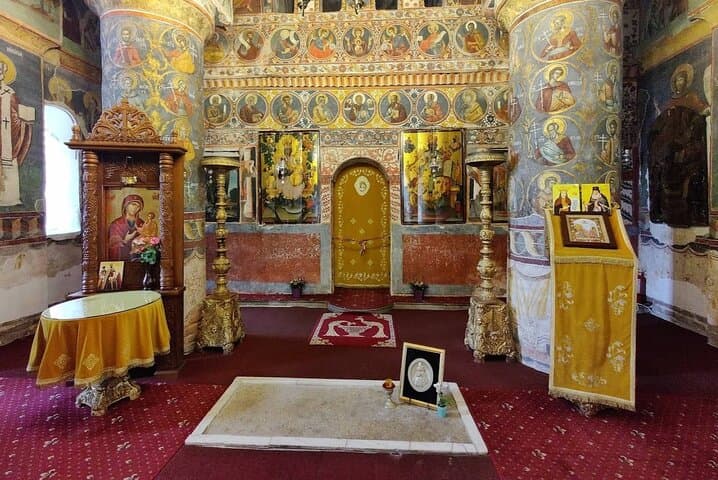
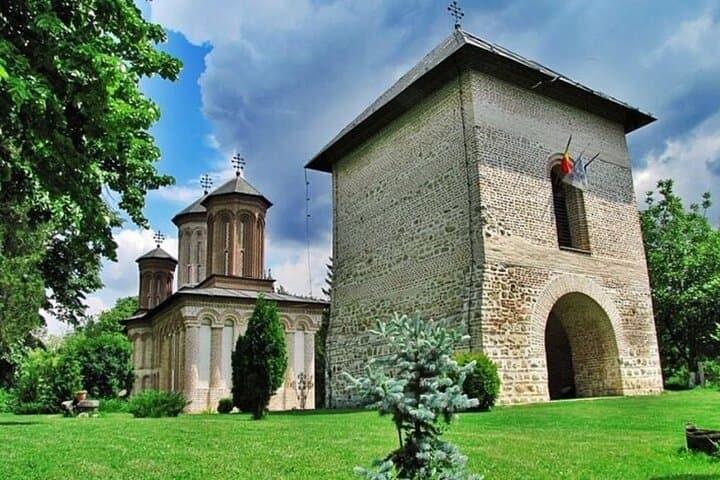
Slănic Prahova is Romania’s largest commercial salt mine, excavated into vast trapezoid chambers now repurposed for leisure and respiratory therapy. Geologically it’s a thick evaporite deposit—salt beds compressed and carved over centuries. The winery stop sits in a rolling sub-region of Prahova with clay-limestone soils that favor local grape varieties; Casa Seciu pairs hearty Romanian cuisine with cellar-driven pours. Snagov Monastery dates to medieval times and local tradition holds that Vlad Țepeș (the historical figure tied to Dracula lore) was interred there.
Practical guidance: dress in layers—a warm jacket is necessary underground despite summer weather above. Wear sturdy, closed shoes for uneven flooring and steps; the mine tour includes a short 10-minute minibus descent to deeper galleries. Bring a water bottle, camera with good low-light capability, and any mobility aids if needed (there are minibuses and steps). If you want a professional sommelier, request it 24 hours ahead—tastings can add cost. Expect a 9-hour private excursion with hotel pickup from Bucharest; cancellations require 24+ hours for a full refund.
easy.
9 hours.
Suitable for most fitness levels; involves short walks, steps, and a minibus transfer into the mine.
The private tour runs about 9 hours and includes hotel pickup in Bucharest, private transportation, a guided visit to Slănic salt mine, lunch and wine at a local restaurant, and a stop at Snagov Monastery; some specific tasting services are extra.
The mine houses a speleotherapy sanatorium and is used for respiratory therapy, but consult your physician if you have serious conditions; the air is cool and dry but there are steps and enclosed spaces.
Yes—inform the operator at least 24 hours in advance; a sommelier-led tasting is extra and prices start from around €140 depending on wine selection and group size.
Access to the island and the church involves a short boat or bridge approach and some steps; mobility limitations may complicate access—ask the operator for assistance and alternatives when booking.
Slănic’s salt extraction dates back centuries and its dramatic chambers were later repurposed after 1970; Snagov Monastery is a medieval religious site linked by tradition to Vlad Țepeș.
Visitors should stick to marked paths and avoid touching salt walls to minimize erosion; support local businesses to help fund preservation of the sites.
Supplier operates guided outdoor trips and adventures with an emphasis on safety, stewardship, and memorable experiences.
You step off the minibus into a cool hush: the salt walls absorb sound and the air feels oddly bright at a steady 12°C. Torches and gallery lights pick out geometric chambers carved out of salt; deeper, the Supernova planetarium’s dome waits with a 16 m screen and the low hum of projection equipment. The day moves from underground stillness to sunlit terraces above vineyards and finishes on the small island at Snagov where stone and water keep centuries-old stories.
You step off the minibus into a cool hush: the salt walls absorb sound and the air feels oddly bright at a steady 12°C. Torches and gallery lights pick out geometric chambers carved out of salt; deeper, the Supernova planetarium’s dome waits with a 16 m screen and the low hum of projection equipment. The day moves from underground stillness to sunlit terraces above vineyards and finishes on the small island at Snagov where stone and water keep centuries-old stories.
Slănic Prahova is Romania’s largest commercial salt mine, excavated into vast trapezoid chambers now repurposed for leisure and respiratory therapy. Geologically it’s a thick evaporite deposit—salt beds compressed and carved over centuries. The winery stop sits in a rolling sub-region of Prahova with clay-limestone soils that favor local grape varieties; Casa Seciu pairs hearty Romanian cuisine with cellar-driven pours. Snagov Monastery dates to medieval times and local tradition holds that Vlad Țepeș (the historical figure tied to Dracula lore) was interred there.
Practical guidance: dress in layers—a warm jacket is necessary underground despite summer weather above. Wear sturdy, closed shoes for uneven flooring and steps; the mine tour includes a short 10-minute minibus descent to deeper galleries. Bring a water bottle, camera with good low-light capability, and any mobility aids if needed (there are minibuses and steps). If you want a professional sommelier, request it 24 hours ahead—tastings can add cost. Expect a 9-hour private excursion with hotel pickup from Bucharest; cancellations require 24+ hours for a full refund.