THE ADVENTURE COLLECTIVE® · Independent discovery and booking for outdoor travel

Walk the corridors of a Georgian prison and listen as the walls tell their story. This self-guided tour of Shrewsbury Prison combines intact historic architecture, sound-led interpretation and flexible pacing for history-minded visitors.
Walk the corridors of a Georgian prison and listen as the walls tell their story. This self-guided tour of Shrewsbury Prison combines intact historic architecture, sound-led interpretation and flexible pacing for history-minded visitors.
Steel gates sigh open and the first footsteps reverberate down a corridor of matte brick and iron.
Verified experiences and guided adventures in the surrounding area.
Operated by Shrewsbury Prison · Shrewsbury, Shropshire
Steel gates sigh open and the first footsteps reverberate down a corridor of matte brick and iron.
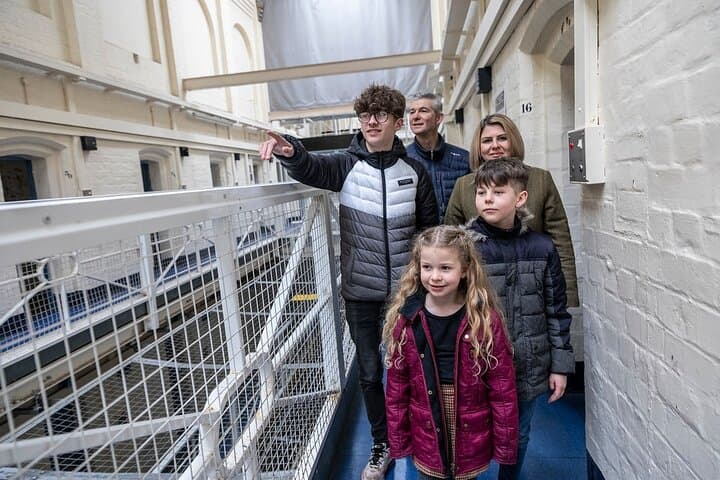
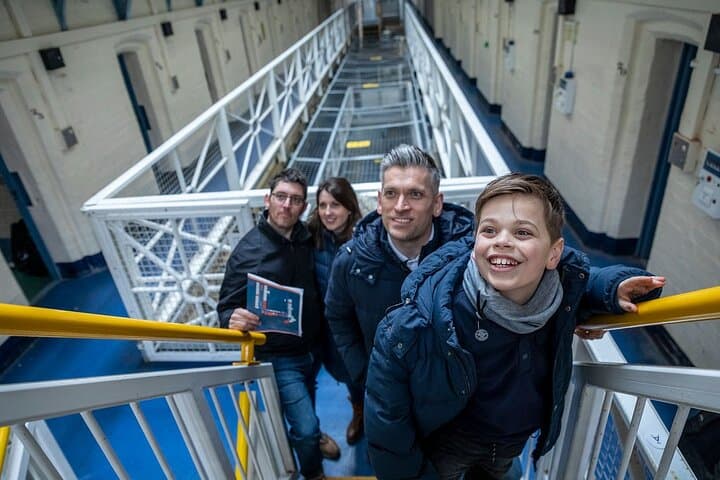
On a self-guided visit to Shrewsbury Prison you move at your own pace through long galleries of capped skylights, nodding to the echoes of voices that once kept the wings alive. Sound-box stations trigger testimony, cell narratives and archival voices, letting the building itself tell the story of punishment and reform.
Built in 1793, the site grew through the Georgian and Victorian eras and closed to inmates in 2013; it’s one of the country’s last surviving Georgian prisons. The architecture is pragmatic—thick masonry, cast-iron fittings and original timber doors—designed for surveillance and containment. The chapel, exercise yard and governor’s quarters reveal different sides of prison life and reflect shifting attitudes in British penal history.
Shrewsbury town is an easy pub-and-rail base a short drive away; local guides say the site is particularly resonant on cooler mornings when breath and footsteps animate the corridors.
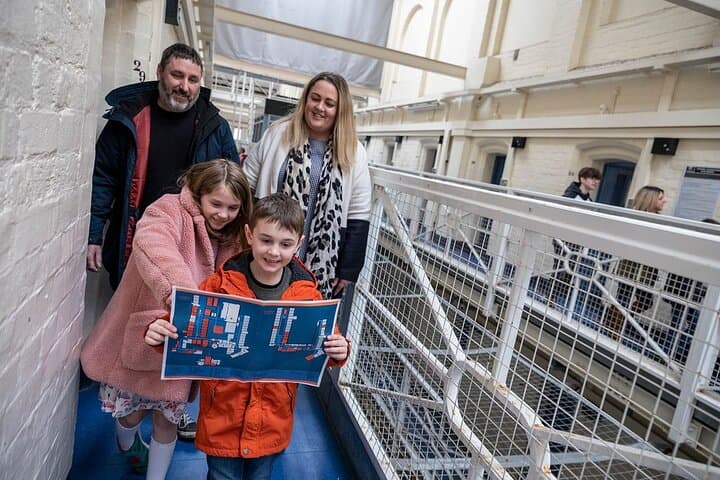
Practical notes: bring comfortable shoes and a camera—the route is mostly level but includes stone thresholds and steps. The self-guided format uses maps and interpretive boards; staff are on hand for accessibility needs. Visits typically last 1–3 hours but you can stretch to half a day if you linger in exhibitions and the chapel. The venue is wheelchair accessible and dog-friendly for service animals, and public transport serves the area.
Expect a thoughtful, slightly uncanny experience: the building presses its history on you, instructive rather than theatrical, best appreciated with time and curiosity.
easy.
1–5 hours.
Suitable for most fitness levels; mobility limitations should be considered for some thresholds and steps.
Most visitors spend 1–3 hours; the site is open to linger and some spend up to 5 hours exploring exhibitions and the chapel.
Yes—families are welcome and the experience is designed to be accessible, though some content and areas may be better suited to older children.
The venue is wheelchair accessible overall, but historic construction includes some thresholds and tight doorways—staff can advise on the most accessible route.
Personal photography is permitted in most areas; respect signage and other visitors, and avoid commercial use without permission.
Opened in 1793 and expanded through the 19th century, Shrewsbury Prison functioned for over 200 years and closed in 2013; it’s noted as one of the last remaining Georgian-style prisons in the country.
The site prioritizes preserving original fabric and interpretation while managing visitor impact; follow designated routes and guidance to protect delicate historic features.
Shrewsbury Prison operates guided outdoor trips and adventures with an emphasis on safety, stewardship, and memorable experiences.

Steel gates sigh open and the first footsteps reverberate down a corridor of matte brick and iron.
Steel gates sigh open and the first footsteps reverberate down a corridor of matte brick and iron.
On a self-guided visit to Shrewsbury Prison you move at your own pace through long galleries of capped skylights, nodding to the echoes of voices that once kept the wings alive. Sound-box stations trigger testimony, cell narratives and archival voices, letting the building itself tell the story of punishment and reform.
Built in 1793, the site grew through the Georgian and Victorian eras and closed to inmates in 2013; it’s one of the country’s last surviving Georgian prisons. The architecture is pragmatic—thick masonry, cast-iron fittings and original timber doors—designed for surveillance and containment. The chapel, exercise yard and governor’s quarters reveal different sides of prison life and reflect shifting attitudes in British penal history.
Shrewsbury town is an easy pub-and-rail base a short drive away; local guides say the site is particularly resonant on cooler mornings when breath and footsteps animate the corridors.
Practical notes: bring comfortable shoes and a camera—the route is mostly level but includes stone thresholds and steps. The self-guided format uses maps and interpretive boards; staff are on hand for accessibility needs. Visits typically last 1–3 hours but you can stretch to half a day if you linger in exhibitions and the chapel. The venue is wheelchair accessible and dog-friendly for service animals, and public transport serves the area.
Expect a thoughtful, slightly uncanny experience: the building presses its history on you, instructive rather than theatrical, best appreciated with time and curiosity.