THE ADVENTURE COLLECTIVE® · Independent discovery and booking for outdoor travel

See Seville at street-level: rent a bike in the city centre and glide between plazas, riverside lanes and leafy parks. This guide covers what to expect, where to ride and how to prepare for a 24–48 hour urban cycling adventure.
See Seville at street-level: rent a bike in the city centre and glide between plazas, riverside lanes and leafy parks. This guide covers what to expect, where to ride and how to prepare for a 24–48 hour urban cycling adventure.
You push off from a narrow Calle, the air warmed by orange trees and the river’s current pulling your attention toward low bridges and sunlit façades.
Verified experiences and guided adventures in the surrounding area.
Operated by Naturanda Turismo Ambiental · Seville, Andalusia
You push off from a narrow Calle, the air warmed by orange trees and the river’s current pulling your attention toward low bridges and sunlit façades.
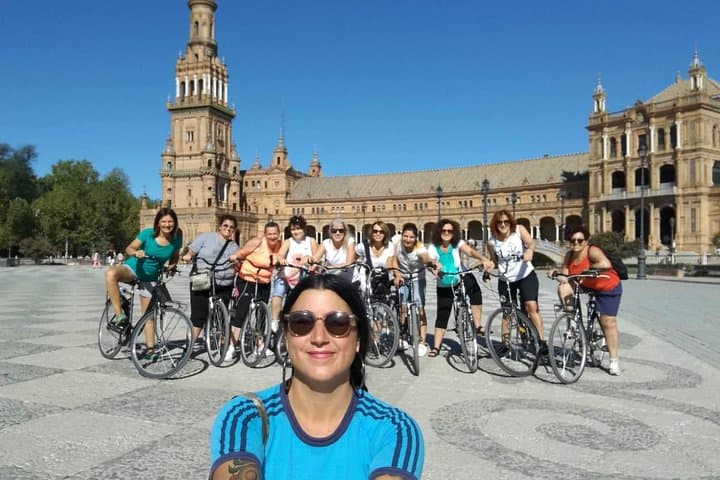
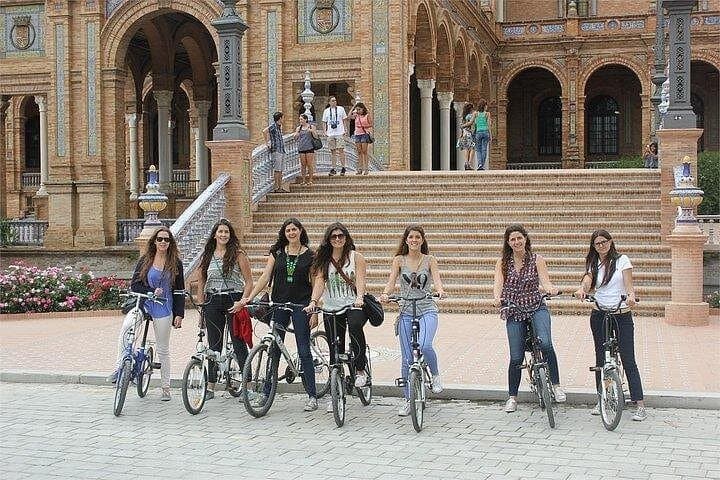
A city-centre bike rental in Seville turns streets into a continuous promenade: cobbled alleys give way to broad riverfront lanes, park-lined boulevards, and the sweeping arc of Plaza de España. Riders pass layers of history—Roman foundations beneath Moorish walls and Renaissance churches that face open squares—each turn a chapter in Seville’s long arc as an Atlantic port and cultural crossroads.
Geology here is subtle: clay soils and the Guadalquivir’s riverine plain shaped the city’s flat, rideable profile; that flatness makes longer loops accessible to most riders. Culturally, cycling threads through barrio life—from Triana’s pottery workshops to tapas bars flanking the Alameda.
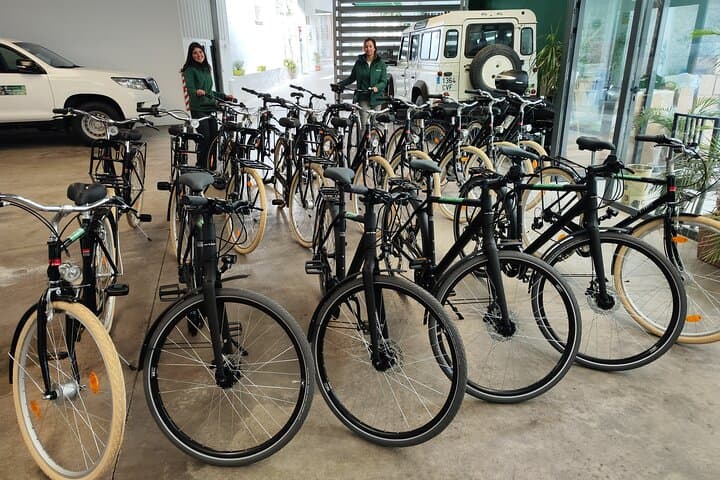
Practical guidance: pick a rental with helmets and a sturdy lock, plan a route that uses the dedicated ciclo-carriles and the wide Paseo de Cristóbal Colón, and aim for morning or late afternoon to avoid heat and heavy pedestrian flow near major monuments. Carry a refillable bottle and a basic repair kit; many operators provide child seats and helmets on request. Clarify pick-up/drop-off points—Seville operators often have multiple locations—and confirm the rental window (many offer 24–48 hour options).
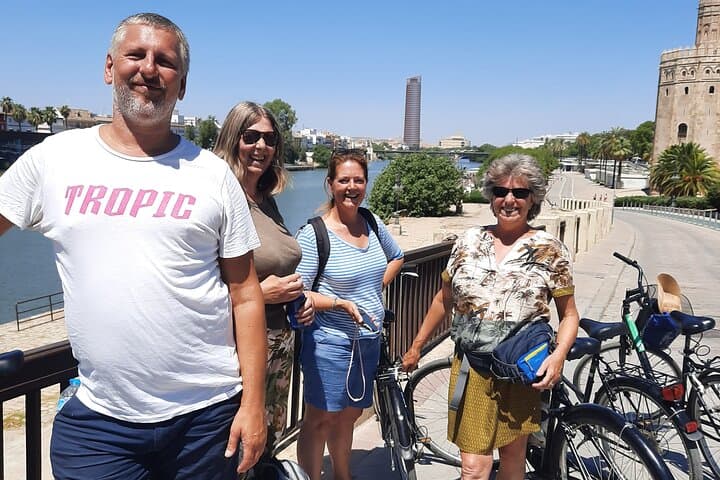
For a relaxed day, follow riverfront paths to Triana and return via Parque de María Luisa; for a longer ride, trace the canalized Guadalquivir toward the Cartuja islands. Respect bike lanes and local rules—Seville’s best routes are those kept clean and safe by riders themselves.
easy.
2 days (up to 48 hours).
Suitable for most fitness levels; expect several hours of light to moderate riding if you plan long loops
Many city-centre rentals offer hourly options and 24–48 hour bookings—confirm the maximum rental window and return policies before you book.
Yes—most operators include helmets and can provide specialized infant or child seats on request; reserve these in advance.
This operator lists multiple pick-up points across central Seville—verify the exact address at booking to choose the most convenient one.
Full refunds are typically available if you cancel at least 24 hours before your scheduled rental; check the operator’s policy for exact terms.
Seville grew from Roman and Moorish roots into a major 16th-century port linking Spain and the Americas; its architecture reflects that layered maritime and cultural past.
Use designated bike lanes, avoid riding on pedestrian-only pavements, and dispose of waste properly—cycling helps reduce traffic but depends on respectful use of public space.
Naturanda Turismo Ambiental operates guided outdoor trips and adventures with an emphasis on safety, stewardship, and memorable experiences.
You push off from a narrow Calle, the air warmed by orange trees and the river’s current pulling your attention toward low bridges and sunlit façades.
You push off from a narrow Calle, the air warmed by orange trees and the river’s current pulling your attention toward low bridges and sunlit façades.
A city-centre bike rental in Seville turns streets into a continuous promenade: cobbled alleys give way to broad riverfront lanes, park-lined boulevards, and the sweeping arc of Plaza de España. Riders pass layers of history—Roman foundations beneath Moorish walls and Renaissance churches that face open squares—each turn a chapter in Seville’s long arc as an Atlantic port and cultural crossroads.
Geology here is subtle: clay soils and the Guadalquivir’s riverine plain shaped the city’s flat, rideable profile; that flatness makes longer loops accessible to most riders. Culturally, cycling threads through barrio life—from Triana’s pottery workshops to tapas bars flanking the Alameda.
Practical guidance: pick a rental with helmets and a sturdy lock, plan a route that uses the dedicated ciclo-carriles and the wide Paseo de Cristóbal Colón, and aim for morning or late afternoon to avoid heat and heavy pedestrian flow near major monuments. Carry a refillable bottle and a basic repair kit; many operators provide child seats and helmets on request. Clarify pick-up/drop-off points—Seville operators often have multiple locations—and confirm the rental window (many offer 24–48 hour options).
For a relaxed day, follow riverfront paths to Triana and return via Parque de María Luisa; for a longer ride, trace the canalized Guadalquivir toward the Cartuja islands. Respect bike lanes and local rules—Seville’s best routes are those kept clean and safe by riders themselves.