THE ADVENTURE COLLECTIVE® · Independent discovery and booking for outdoor travel

Descend beneath Savannah’s City Market to an interactive museum that puts you in the world of 17th–18th century piracy. Expect lifelike figures, hands-on artifacts and a compact, accessible one-hour experience that pairs well with River Street and downtown walks.
Descend beneath Savannah’s City Market to an interactive museum that puts you in the world of 17th–18th century piracy. Expect lifelike figures, hands-on artifacts and a compact, accessible one-hour experience that pairs well with River Street and downtown walks.
You step down a short flight of stairs beneath City Market and the noise of Bay Street softens into the hush of a basement gallery.
Verified experiences and guided adventures in the surrounding area.
Operated by Historic Tours Of America · Savannah, Georgia
You step down a short flight of stairs beneath City Market and the noise of Bay Street softens into the hush of a basement gallery.
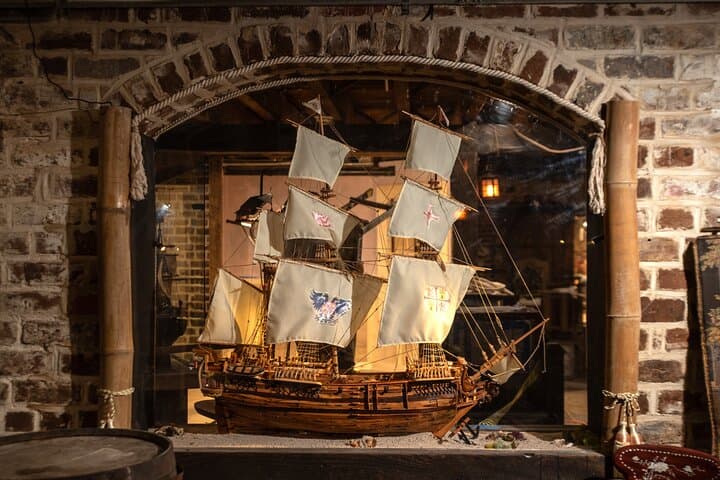
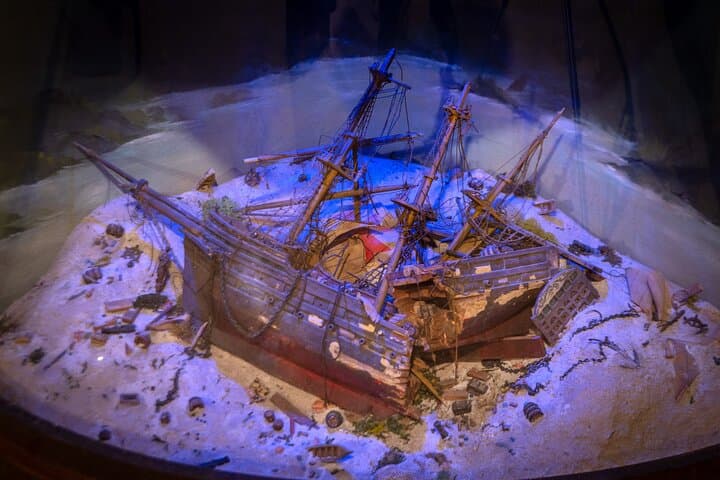
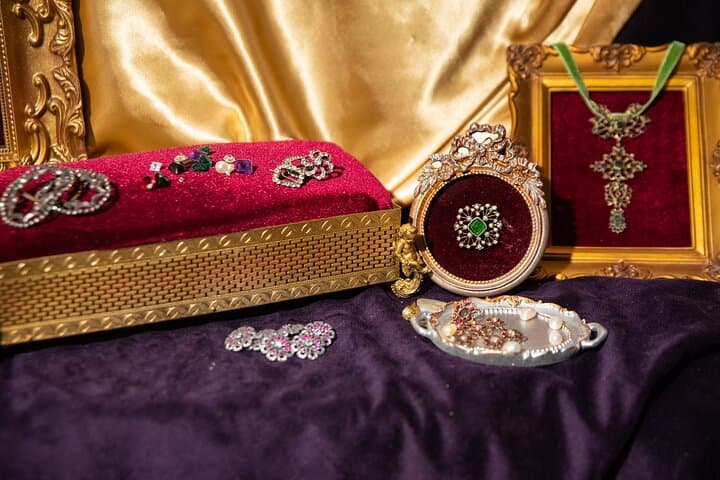
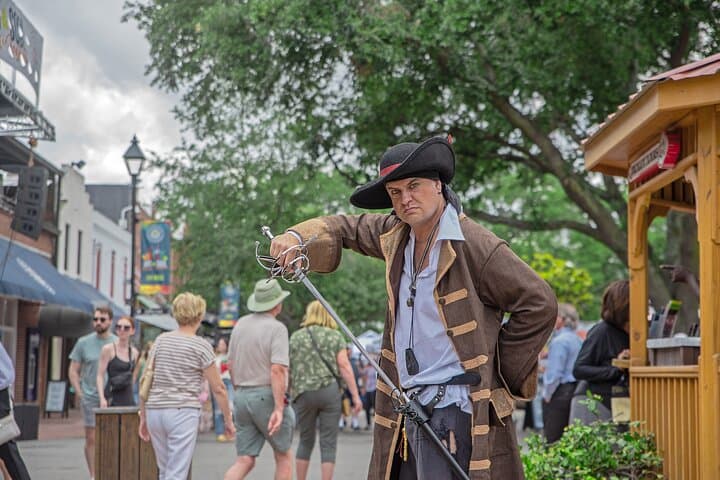
Mannequins stare with sea-weathered faces, chests rattle with replica coin, and a silver bar invites you to lift more than history — it asks you to weigh it. The Savannah Pirates and Treasure Museum places you inside the Golden Age of Piracy with tactile displays, lifelike figures, and storytelling that brings maritime law, privateers and smuggling into sharp relief.
Savannah’s port shaped the city: a coastal plain of salt marshes and sandbars that funneled trade — and temptation — into the Savannah River. The museum uses that geography as context, linking local maritime commerce to broader Atlantic piracy, slave trade routes, and convict transport. Cultural notes include the city’s commerce-driven growth in the 18th and 19th centuries and how coastal communities responded to lawlessness at sea.
Practical: the museum is self-guided, runs about 60 minutes, and sits at 209 West Saint Julian Street (basement level, under the American Prohibition Museum). It’s open daily; redeem mobile vouchers between 10:00am–5:15pm, with last entry near closing. The exhibit is wheelchair- and stroller-accessible but keeps a strict no-pets policy.
Plan comfortable shoes for walking the surrounding historic district, bring a charged phone for photos and mobile tickets, and allow time to pair this stop with nearby River Street views or a City Market meal. For families, interactive elements keep kids engaged; for history fans, context panels offer a compact, readable primer on piracy’s economic and legal roots.
easy.
1 hour.
Suitable for all fitness levels; requires only short walks and some standing.
Most visitors spend about 45–60 minutes; allow extra time if you want to read every panel or take photos.
Yes — the museum reports wheelchair and stroller accessibility for all exhibit areas.
Redeem mobile or paper vouchers at the museum’s entrance at 209 West Saint Julian Street between 10:00am and 5:15pm; the museum is open daily until about 6pm.
Yes — exhibits are family-friendly with interactive displays and storytelling appropriate for a range of ages.
Savannah’s port was a trading hub in the 18th and 19th centuries; the museum links regional commerce to wider Atlantic-era piracy and maritime law.
The museum focuses on preserving replica artifacts and interpretive materials; visitors are asked to avoid touching original artifacts and to follow site rules to minimize wear.
Historic Tours Of America operates guided outdoor trips and adventures with an emphasis on safety, stewardship, and memorable experiences.
You step down a short flight of stairs beneath City Market and the noise of Bay Street softens into the hush of a basement gallery.
You step down a short flight of stairs beneath City Market and the noise of Bay Street softens into the hush of a basement gallery.
Mannequins stare with sea-weathered faces, chests rattle with replica coin, and a silver bar invites you to lift more than history — it asks you to weigh it. The Savannah Pirates and Treasure Museum places you inside the Golden Age of Piracy with tactile displays, lifelike figures, and storytelling that brings maritime law, privateers and smuggling into sharp relief.
Savannah’s port shaped the city: a coastal plain of salt marshes and sandbars that funneled trade — and temptation — into the Savannah River. The museum uses that geography as context, linking local maritime commerce to broader Atlantic piracy, slave trade routes, and convict transport. Cultural notes include the city’s commerce-driven growth in the 18th and 19th centuries and how coastal communities responded to lawlessness at sea.
Practical: the museum is self-guided, runs about 60 minutes, and sits at 209 West Saint Julian Street (basement level, under the American Prohibition Museum). It’s open daily; redeem mobile vouchers between 10:00am–5:15pm, with last entry near closing. The exhibit is wheelchair- and stroller-accessible but keeps a strict no-pets policy.
Plan comfortable shoes for walking the surrounding historic district, bring a charged phone for photos and mobile tickets, and allow time to pair this stop with nearby River Street views or a City Market meal. For families, interactive elements keep kids engaged; for history fans, context panels offer a compact, readable primer on piracy’s economic and legal roots.