THE ADVENTURE COLLECTIVE® · Independent discovery and booking for outdoor travel

Walk among stone towers that predate Rome on a private half-day tour from Chia. This guided excursion combines short walks across rocky terrain with hands-on archaeology, local wine tasting, and context about Sardinia’s Nuragic past.
Walk among stone towers that predate Rome on a private half-day tour from Chia. This guided excursion combines short walks across rocky terrain with hands-on archaeology, local wine tasting, and context about Sardinia’s Nuragic past.
You step from the jeep onto sun-warmed limestone, the scrub-smoothed air pushing back gently as stone towers rise from the low hill like deliberate islands. The guide spreads a map and the path threads between olive-scrub and scattered basalt boulders; ahead are the nuraghe—conical dry-stone towers built more than three millennia ago—quiet but asserting presence.
Verified experiences and guided adventures in the surrounding area.
Operated by Bitan Daily Tours · Cagliari, Sardinia
You step from the jeep onto sun-warmed limestone, the scrub-smoothed air pushing back gently as stone towers rise from the low hill like deliberate islands. The guide spreads a map and the path threads between olive-scrub and scattered basalt boulders; ahead are the nuraghe—conical dry-stone towers built more than three millennia ago—quiet but asserting presence.
These structures date to the Nuragic Age (c.1900–730 BCE) and are part of a landscape shaped by uplifted seabeds and volcanic intrusions; you’ll notice compacted sandy tracks and occasional stone slabs from ancient terraces. Culture here is tactile: the guide recounts clan life, ritual use, and how later Phoenician and Roman contacts layered new names onto old stones. Nearby coastal reefs and dunes speak to the same geology that made the stone so handy for construction.
Expect easy, interpretive walking: short stretches of 1–3 km over uneven, rocky ground with minimal elevation gain (typically under 100 m). The tour blends archaeology with local flavor—a tasting of regional wine and "Sa Picchettada" snacks—and includes round-trip transfer by jeep from the Chia area. Practical tips: wear sturdy shoes for dry-stone footprints and bring sun protection and water; shade is sparse and midday heat can be intense in summer.
This half-day excursion (about 4–5 hours total) is ideal for travelers who want a compact but deep hit of Sardinian prehistory and landscape without long hikes—an accessible encounter with stones that still seem to watch the sea.
easy.
4–5 hours.
Suitable for travelers with basic mobility who can handle short walks on uneven ground
The private excursion runs about 4–5 hours total, including transfers and a short guided walk among the nuraghe.
No; walks are short (1–3 km total) over uneven terrain with minimal elevation gain, suitable for most fitness levels.
Yes—snacks, bottled water and a local wine tasting (Sa Picchettada-style) are included per the itinerary.
Hotel pickup and drop-off are available for the Chia area; confirm your pickup point when booking.
Nuraghe were built in the Bronze and Iron Ages (c.1900–730 BCE) using dry-stone techniques; they mark communal, defensive, and ritual activity across Sardinia.
Sites are vulnerable to erosion and visitor wear—stay on paths, avoid touching fragile masonry, and follow your guide’s instructions to help preserve these ancient structures.
Bitan Daily Tours operates guided outdoor trips and adventures with an emphasis on safety, stewardship, and memorable experiences.
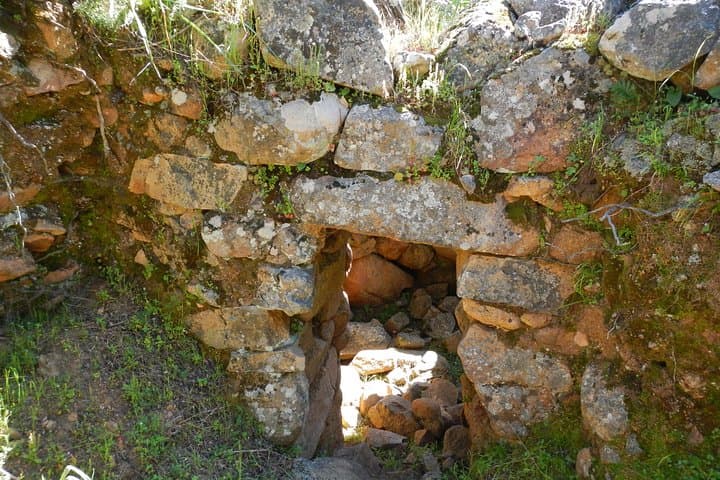
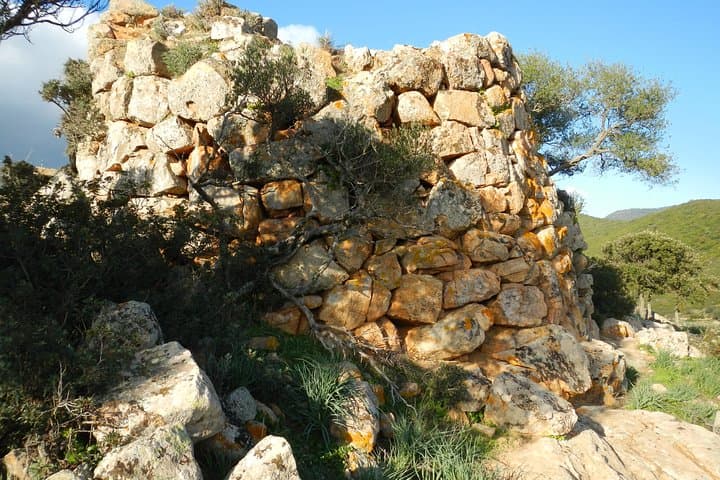
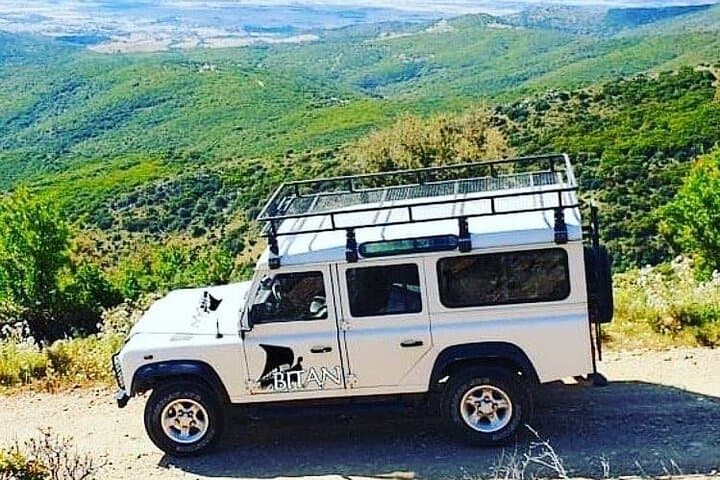

You step from the jeep onto sun-warmed limestone, the scrub-smoothed air pushing back gently as stone towers rise from the low hill like deliberate islands. The guide spreads a map and the path threads between olive-scrub and scattered basalt boulders; ahead are the nuraghe—conical dry-stone towers built more than three millennia ago—quiet but asserting presence.
You step from the jeep onto sun-warmed limestone, the scrub-smoothed air pushing back gently as stone towers rise from the low hill like deliberate islands. The guide spreads a map and the path threads between olive-scrub and scattered basalt boulders; ahead are the nuraghe—conical dry-stone towers built more than three millennia ago—quiet but asserting presence.
These structures date to the Nuragic Age (c.1900–730 BCE) and are part of a landscape shaped by uplifted seabeds and volcanic intrusions; you’ll notice compacted sandy tracks and occasional stone slabs from ancient terraces. Culture here is tactile: the guide recounts clan life, ritual use, and how later Phoenician and Roman contacts layered new names onto old stones. Nearby coastal reefs and dunes speak to the same geology that made the stone so handy for construction.
Expect easy, interpretive walking: short stretches of 1–3 km over uneven, rocky ground with minimal elevation gain (typically under 100 m). The tour blends archaeology with local flavor—a tasting of regional wine and "Sa Picchettada" snacks—and includes round-trip transfer by jeep from the Chia area. Practical tips: wear sturdy shoes for dry-stone footprints and bring sun protection and water; shade is sparse and midday heat can be intense in summer.
This half-day excursion (about 4–5 hours total) is ideal for travelers who want a compact but deep hit of Sardinian prehistory and landscape without long hikes—an accessible encounter with stones that still seem to watch the sea.