THE ADVENTURE COLLECTIVE® · Independent discovery and booking for outdoor travel

Walk forested trails and gallery halls on a guided visit to the Zoo of São Paulo. This five-hour, accessible tour blends close wildlife viewing with conservation-focused exhibits and practical tips for visitors.
Walk forested trails and gallery halls on a guided visit to the Zoo of São Paulo. This five-hour, accessible tour blends close wildlife viewing with conservation-focused exhibits and practical tips for visitors.
You arrive at the gate beneath a canopy of Atlantic Forest trees; the air is humid and full of bird calls, and a paved path leads you into exhibits that open like pages in a natural history book. On a guided visit to the Zoo of São Paulo you move steadily from insect galleries to primate enclosures, past winding trails where the forest itself feels like part of the exhibit.
Verified experiences and guided adventures in the surrounding area.
Operated by Pier Riccardo Di Nicola · São Paulo, São Paulo
You arrive at the gate beneath a canopy of Atlantic Forest trees; the air is humid and full of bird calls, and a paved path leads you into exhibits that open like pages in a natural history book. On a guided visit to the Zoo of São Paulo you move steadily from insect galleries to primate enclosures, past winding trails where the forest itself feels like part of the exhibit.
The zoo sits on more than 824,000 m² of preserved Atlantic Forest and is the largest in Latin America, a product of mid-20th century urban conservation efforts that transformed former farms into a public park and scientific resource. The geology here is typical of São Paulo’s low hills and clay soils, with shaded ravines that retain moisture—ideal for amphibians and forest understory species. Culturally, the site has long been a family destination and an education hub; exhibits emphasize Brazilian species such as the golden lion tamarin alongside global collections.
Practically, expect five hours for a thorough guided visit: the route includes insect and reptile galleries, bird nurseries, mammal houses, and natural trails. Tickets are purchased at the park entrance (discounted online promotions sometimes apply); wear comfortable, closed shoes for uneven boardwalks and bring a refillable water bottle. Photography is allowed but keep noise low near sensitive enclosures.
A guided tour here balances leisure and learning—ideal for families, naturalists, and travelers seeking a compact but rich encounter with Atlantic Forest wildlife and conservation work.
easy.
5 hours.
Suitable for most fitness levels; expect moderate walking with occasional stairs and boardwalks
No—the guided meeting and transport to the zoo are included by some operators, but park admission is purchased at the entrance; check for online promotions that reduce the ticket price.
Yes—most paths, exhibits and transportation options are wheelchair and stroller accessible; staff can advise on accessible routes.
Plan about five hours for a complete guided tour to see key exhibits, walk natural trails, and attend educational stops.
Food and drink kiosks are available, and some visitors bring snacks for designated picnic areas—avoid feeding animals and follow posted rules.
Established in the mid-20th century as part of São Paulo’s urban park expansion, the zoo evolved into a center for species conservation and environmental education.
The zoo runs breeding and reintroduction programs for Atlantic Forest species and emphasizes environmental education to support local conservation efforts.
Pier Riccardo Di Nicola operates guided outdoor trips and adventures with an emphasis on safety, stewardship, and memorable experiences.
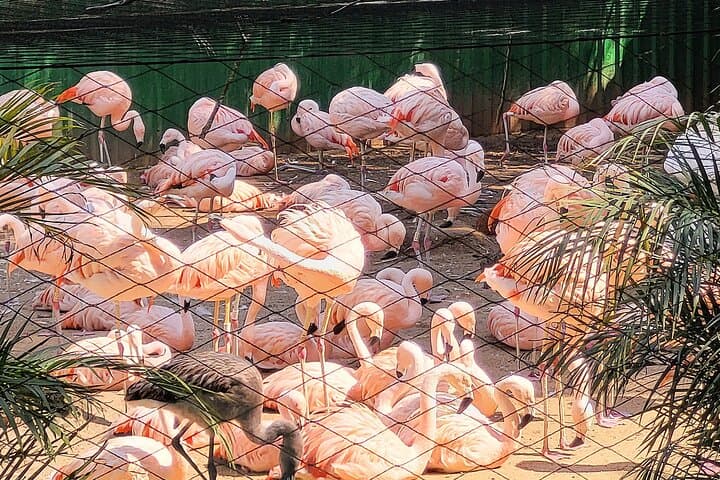
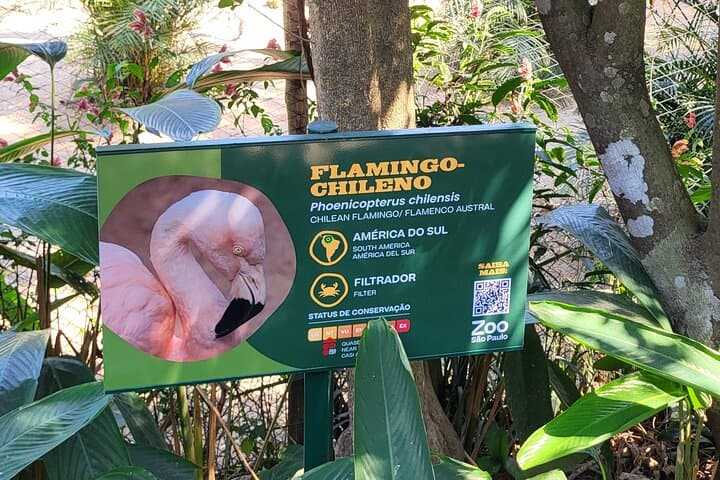
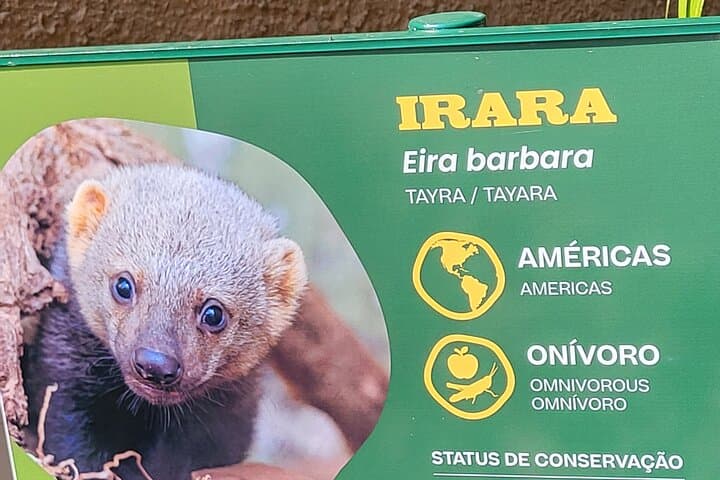
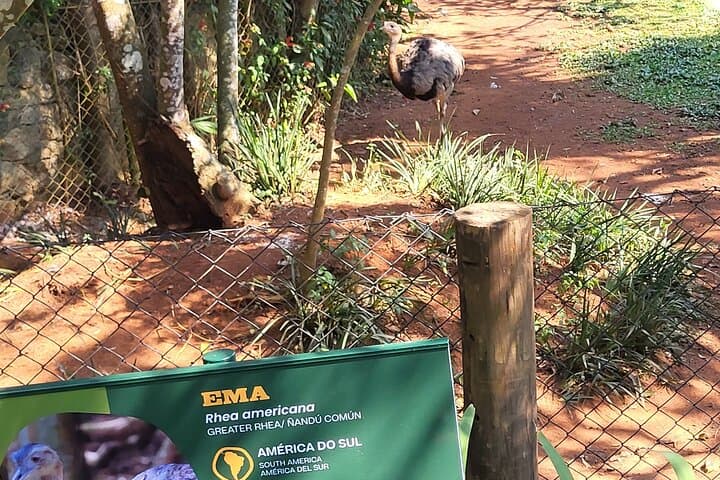
You arrive at the gate beneath a canopy of Atlantic Forest trees; the air is humid and full of bird calls, and a paved path leads you into exhibits that open like pages in a natural history book. On a guided visit to the Zoo of São Paulo you move steadily from insect galleries to primate enclosures, past winding trails where the forest itself feels like part of the exhibit.
You arrive at the gate beneath a canopy of Atlantic Forest trees; the air is humid and full of bird calls, and a paved path leads you into exhibits that open like pages in a natural history book. On a guided visit to the Zoo of São Paulo you move steadily from insect galleries to primate enclosures, past winding trails where the forest itself feels like part of the exhibit.
The zoo sits on more than 824,000 m² of preserved Atlantic Forest and is the largest in Latin America, a product of mid-20th century urban conservation efforts that transformed former farms into a public park and scientific resource. The geology here is typical of São Paulo’s low hills and clay soils, with shaded ravines that retain moisture—ideal for amphibians and forest understory species. Culturally, the site has long been a family destination and an education hub; exhibits emphasize Brazilian species such as the golden lion tamarin alongside global collections.
Practically, expect five hours for a thorough guided visit: the route includes insect and reptile galleries, bird nurseries, mammal houses, and natural trails. Tickets are purchased at the park entrance (discounted online promotions sometimes apply); wear comfortable, closed shoes for uneven boardwalks and bring a refillable water bottle. Photography is allowed but keep noise low near sensitive enclosures.
A guided tour here balances leisure and learning—ideal for families, naturalists, and travelers seeking a compact but rich encounter with Atlantic Forest wildlife and conservation work.