THE ADVENTURE COLLECTIVE® · Independent discovery and booking for outdoor travel

Walk the heart of São Paulo with a local guide who ties together the city’s founding square, coffee-era architecture and immigrant neighborhoods in a focused 3–4 hour route. Expect paved streets, cultural stops, and plenty of café options for breaks.
Walk the heart of São Paulo with a local guide who ties together the city’s founding square, coffee-era architecture and immigrant neighborhoods in a focused 3–4 hour route. Expect paved streets, cultural stops, and plenty of café options for breaks.
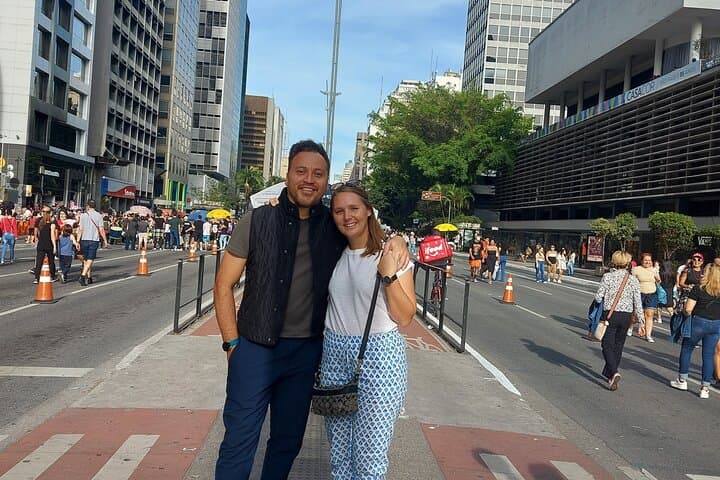
Morning light slides over the stone steps of Catedral da Sé as a local guide falls into step with the group, pointing out carved saints and the chiaroscuro of colonial facades. The city’s pulse is immediate here: trams that once ferried merchants, the hum of scooters, and the steady river of pedestrians moving beneath the Viaduto do Chá.
Verified experiences and guided adventures in the surrounding area.
Operated by Danilo · São Paulo, São Paulo
Morning light slides over the stone steps of Catedral da Sé as a local guide falls into step with the group, pointing out carved saints and the chiaroscuro of colonial facades. The city’s pulse is immediate here: trams that once ferried merchants, the hum of scooters, and the steady river of pedestrians moving beneath the Viaduto do Chá.
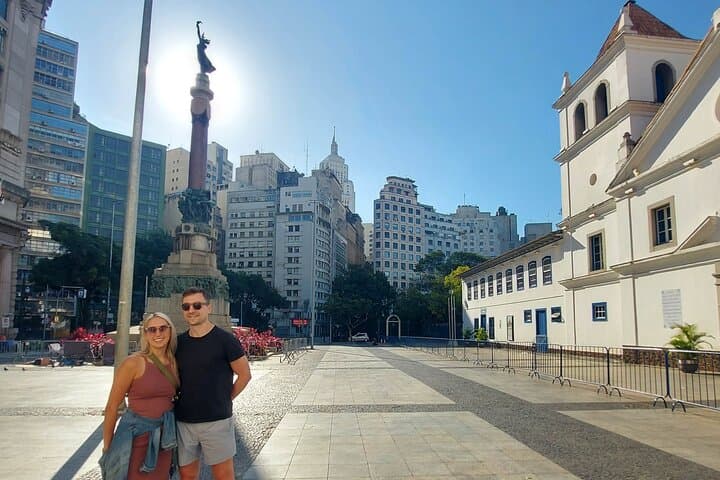
The route traces São Paulo’s origin at Pátio do Colégio (1554), moves through late-19th-century coffee-era architecture, and cuts into immigrant-rich neighborhoods—Liberdade’s lanterns and the municipal market’s stacked produce tell the story of waves of Japanese, Italian and Portuguese arrivals. Geologically the centre sits on the São Paulo plateau; urban growth layered concrete and tile over former riverbeds and low ridges, producing abrupt drops and city terraces that give surprising viewpoints.
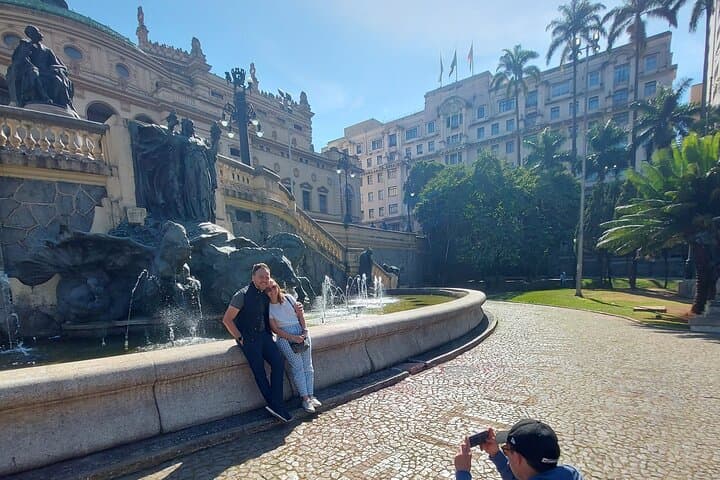
Cultural highlights include the Theatro Municipal’s gilt detail, street art that challenges and amuses, and marketplaces that act like community calendars. Small museums and cultural centers punctuate the walk and offer moments of shade and history.
Practical guidance: plan for 3–4 hours of primarily paved walking with short, frequent stops; much of it is flat but expect some steps and uneven sidewalks. Hydrate, carry small change for market snacks and restroom access, and time the tour to avoid midday heat. Public transit, taxis and ride-hail services are plentiful at the finish point, and your guide will recommend traditional restaurants nearby for a post-walk meal.
easy.
3–4 hours.
Suitable for most people who can walk 3–5 miles with breaks; light mobility required for steps and uneven sidewalks.
Meeting and end points are typically in the Historic Centre near Catedral da Sé; the guide will confirm exact meeting details after booking.
The tour involves city walking with some steps and uneven sidewalks; it’s generally suitable for older children and adults in regular mobility, but not recommended for infants or those with significant mobility limitations.
Language options vary by guide—English and Portuguese are commonly offered; confirm at booking for other languages.
Standard tours focus on exterior and public spaces; museum admissions are usually not included but your guide will advise which sites charge fees and can arrange visits.
São Paulo began in 1554 at Pátio do Colégio and grew rapidly during the 19th-century coffee boom, shaping its mix of colonial, neoclassical and modernist architecture.
The Historic Centre faces pressures from urban development and litter; support local businesses, stay on marked paths, and follow guide advice to minimize impact.
Danilo operates guided outdoor trips and adventures with an emphasis on safety, stewardship, and memorable experiences.
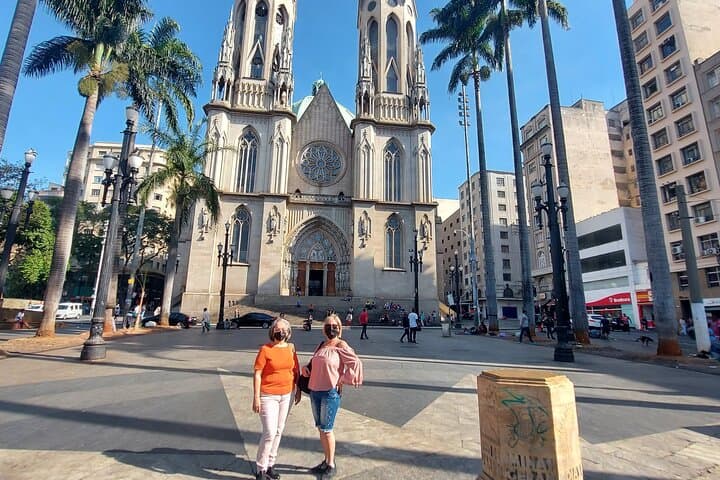
Morning light slides over the stone steps of Catedral da Sé as a local guide falls into step with the group, pointing out carved saints and the chiaroscuro of colonial facades. The city’s pulse is immediate here: trams that once ferried merchants, the hum of scooters, and the steady river of pedestrians moving beneath the Viaduto do Chá.
Morning light slides over the stone steps of Catedral da Sé as a local guide falls into step with the group, pointing out carved saints and the chiaroscuro of colonial facades. The city’s pulse is immediate here: trams that once ferried merchants, the hum of scooters, and the steady river of pedestrians moving beneath the Viaduto do Chá.
The route traces São Paulo’s origin at Pátio do Colégio (1554), moves through late-19th-century coffee-era architecture, and cuts into immigrant-rich neighborhoods—Liberdade’s lanterns and the municipal market’s stacked produce tell the story of waves of Japanese, Italian and Portuguese arrivals. Geologically the centre sits on the São Paulo plateau; urban growth layered concrete and tile over former riverbeds and low ridges, producing abrupt drops and city terraces that give surprising viewpoints.
Cultural highlights include the Theatro Municipal’s gilt detail, street art that challenges and amuses, and marketplaces that act like community calendars. Small museums and cultural centers punctuate the walk and offer moments of shade and history.
Practical guidance: plan for 3–4 hours of primarily paved walking with short, frequent stops; much of it is flat but expect some steps and uneven sidewalks. Hydrate, carry small change for market snacks and restroom access, and time the tour to avoid midday heat. Public transit, taxis and ride-hail services are plentiful at the finish point, and your guide will recommend traditional restaurants nearby for a post-walk meal.