THE ADVENTURE COLLECTIVE® · Independent discovery and booking for outdoor travel

Follow clues through Praza do Obradoiro, Rúa do Franco and hidden viewpoints in an interactive city game across Santiago de Compostela’s historic center. Solve puzzles at your own pace while learning local history and stopping for tapas.
Follow clues through Praza do Obradoiro, Rúa do Franco and hidden viewpoints in an interactive city game across Santiago de Compostela’s historic center. Solve puzzles at your own pace while learning local history and stopping for tapas.
The square opens like a stage: Obradoiro’s façade looms, pilgrims’ shells catching the light, and narrow streets pull you into a maze of stone and stories. This self-guided city game moves at your pace — clues nudge you from cathedral piazzas to quieter corners where the city’s past presses close to the present.
Verified experiences and guided adventures in the surrounding area.
Operated by Questo · Santiago de Compostela, Galicia
The square opens like a stage: Obradoiro’s façade looms, pilgrims’ shells catching the light, and narrow streets pull you into a maze of stone and stories. This self-guided city game moves at your pace — clues nudge you from cathedral piazzas to quieter corners where the city’s past presses close to the present.
Santiago de Compostela is the end of the Camino and a medieval hub whose granite fabric dates to Romanesque and Baroque eras. The route threads Praza das Praterias, the monastery of San Martiño Pinario and the Porta Faxeira, each stop a chapter in Galicia’s civic and ecclesiastical history. The city sits on old hills carved by rivers and time; the stone streets hold the patina of centuries of foot traffic and market life. Local culture is strong: tapas bars on Rúa do Franco, the market at Mercado de Abastos, and lingering café conversations give the route a living soundtrack.
Practically, this is a walking puzzle delivered to your phone via the Questo app. Expect 1.5–2.5 hours of walking with flexible pauses at viewpoints and monuments. Wear stable shoes for cobbles, carry a portable charger and plan for changing weather — Galicia alters quickly.
Timing matters: early starts ease crowding on the cathedral steps; late afternoons bring softer light for façades. Buy one ticket per person for the smoothest play, but groups can share a device if preferred. The experience balances curiosity and clarity: you’ll leave with sharper eyes for stone details and a practical map of Santiago’s social and architectural highlights.
easy.
1.5–2.5 hours.
Suitable for most fitness levels; involves continuous walking on uneven cobblestones for up to a couple of hours.
After booking you receive an email with instructions to download and launch the Questo app and redeem your game code; it’s self-guided and runs on your phone.
Many central streets are accessible, but historic cobblestones and some narrow alleys can be challenging—check individual segments and plan an accessible route if needed.
No fixed start time; the game is available 24/7 so you can begin when convenient, though daylight hours are recommended for visibility.
One ticket is recommended per person for the best experience, but several people can share a single device if needed, keeping in mind screen visibility and interaction limits.
Santiago’s Old Town grew around the cathedral that marks the end of the Camino de Santiago; the urban core preserves Romanesque and Baroque layers from medieval pilgrimage commerce.
This is an active pilgrimage city—respect pedestrian flows, avoid littering, and support small local businesses to help sustain the historic center.
Questo operates guided outdoor trips and adventures with an emphasis on safety, stewardship, and memorable experiences.
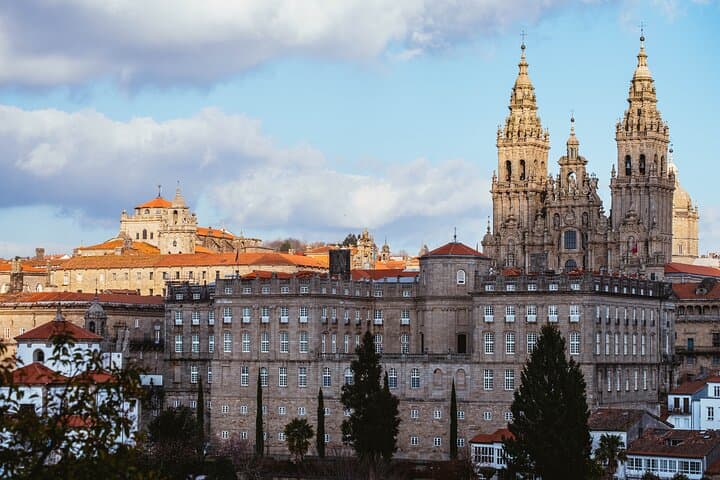
The square opens like a stage: Obradoiro’s façade looms, pilgrims’ shells catching the light, and narrow streets pull you into a maze of stone and stories. This self-guided city game moves at your pace — clues nudge you from cathedral piazzas to quieter corners where the city’s past presses close to the present.
The square opens like a stage: Obradoiro’s façade looms, pilgrims’ shells catching the light, and narrow streets pull you into a maze of stone and stories. This self-guided city game moves at your pace — clues nudge you from cathedral piazzas to quieter corners where the city’s past presses close to the present.
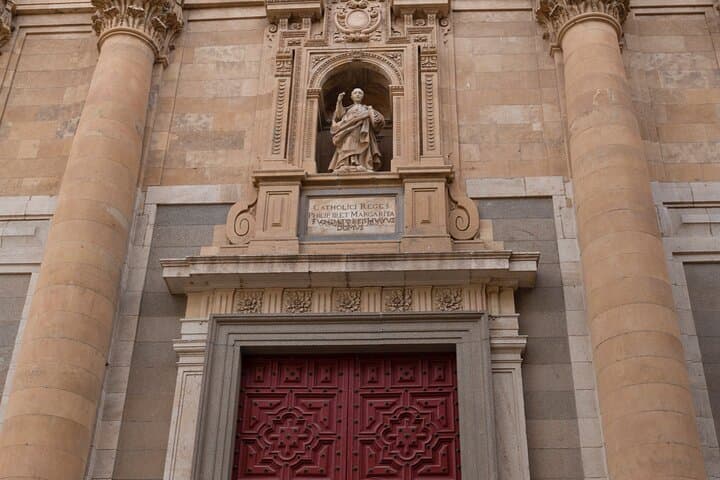
Santiago de Compostela is the end of the Camino and a medieval hub whose granite fabric dates to Romanesque and Baroque eras. The route threads Praza das Praterias, the monastery of San Martiño Pinario and the Porta Faxeira, each stop a chapter in Galicia’s civic and ecclesiastical history. The city sits on old hills carved by rivers and time; the stone streets hold the patina of centuries of foot traffic and market life. Local culture is strong: tapas bars on Rúa do Franco, the market at Mercado de Abastos, and lingering café conversations give the route a living soundtrack.
Practically, this is a walking puzzle delivered to your phone via the Questo app. Expect 1.5–2.5 hours of walking with flexible pauses at viewpoints and monuments. Wear stable shoes for cobbles, carry a portable charger and plan for changing weather — Galicia alters quickly.
Timing matters: early starts ease crowding on the cathedral steps; late afternoons bring softer light for façades. Buy one ticket per person for the smoothest play, but groups can share a device if preferred. The experience balances curiosity and clarity: you’ll leave with sharper eyes for stone details and a practical map of Santiago’s social and architectural highlights.