THE ADVENTURE COLLECTIVE® · Independent discovery and booking for outdoor travel

Walk Santiago’s streets with a local guide who connects art, politics, and food over a six- to seven-hour walking itinerary. Visit Bellavista, Lastarria, Plaza de Armas, and Cerro Santa Lucía, and enjoy an included lunch tailored to dietary needs.
Walk Santiago’s streets with a local guide who connects art, politics, and food over a six- to seven-hour walking itinerary. Visit Bellavista, Lastarria, Plaza de Armas, and Cerro Santa Lucía, and enjoy an included lunch tailored to dietary needs.
You step off a sun-warmed street into a patchwork of color—murals flaring on brick, cafés humming, and the Andes slicing the horizon like a distant promise.
Verified experiences and guided adventures in the surrounding area.
Operated by City Trekking Guide · Santiago, Santiago Metropolitan Region
You step off a sun-warmed street into a patchwork of color—murals flaring on brick, cafés humming, and the Andes slicing the horizon like a distant promise.
This private walking tour threads through Santiago’s foundational spaces: Plaza de Armas’ colonial façades, the bohemian alleys of Bellavista, the cobbled charm of Lastarria, and the landscaped terraces of Cerro Santa Lucía where the city’s 1541 founding still marks the skyline. Geologically, Santiago sits in a tectonic foreland basin at the edge of the Andes, which explains the quick changes in light and the city’s view corridors. Culturally, the route balances high-art institutions and working-class markets—public squares that witnessed political upheavals during the 20th century and now host daily life and public debate.
Your bilingual guide connects street art to social movements, explains La Moneda’s role in modern Chilean governance, and points out architectural cues from European influence to mid-century modernism. You’ll pause for lunch chosen to fit dietary needs—seafood, vegetarian, or regional comfort food—and sample market flavors where locals shop.
Practical guidance: expect six to seven hours of mixed urban walking on pavement and short stair climbs; wear supportive shoes, carry a water bottle, and keep a light layer for wind from the mountains. Bring small local currency for market purchases and a camera for cityscapes—respectful photography is appreciated around protests and memorials. The tour combines immersive storytelling with pragmatic city-savvy tips so you leave with context as well as memories.
moderate.
6–7 hours.
Moderate fitness; comfortable walking for 4–7 miles with occasional stair climbs.
Yes—private transportation for pickup and return to centrally located hotels in Santiago is included; confirm your pickup point at booking.
Expect continuous walking totaling several kilometers over 6–7 hours with frequent stops; there are stair sections at Cerro Santa Lucía.
Yes—lunch can be adapted for vegetarians, vegans, gluten-free, and common allergies if notified in advance.
Infants and small children can use strollers, but some cobbled streets and stairs may require brief lifts; not wheelchair accessible.
Santiago was founded in 1541 by Pedro de Valdivia; its central plazas and republican architecture reflect Spanish colonial planning interwoven with later urban reforms.
Santiago faces air-quality challenges and sensitive urban ecosystems; minimize litter, stick to marked paths in parks, and support local artisans rather than buying mass-produced items.
City Trekking Guide operates guided outdoor trips and adventures with an emphasis on safety, stewardship, and memorable experiences.
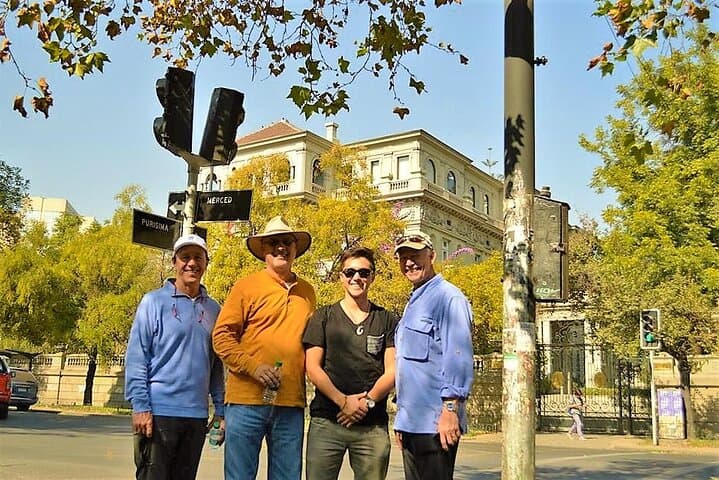
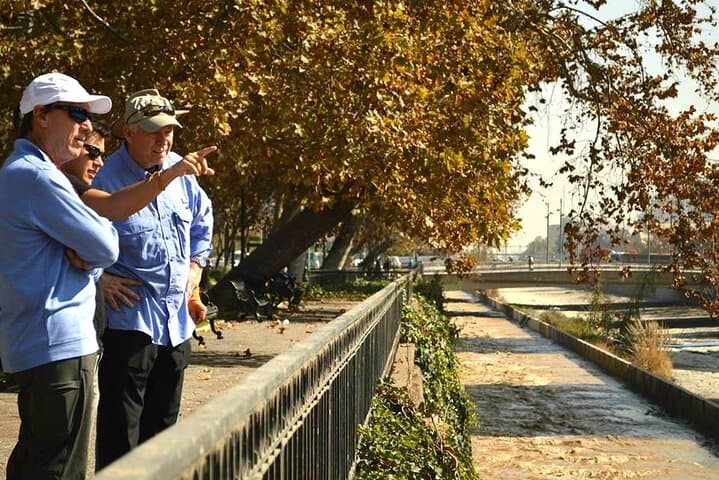
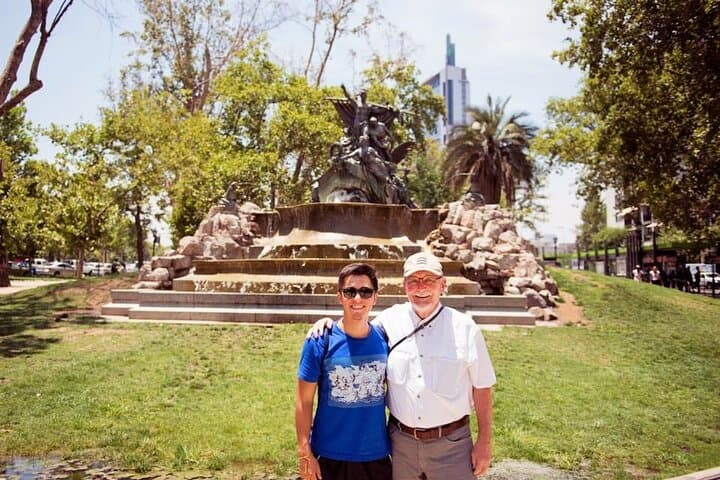
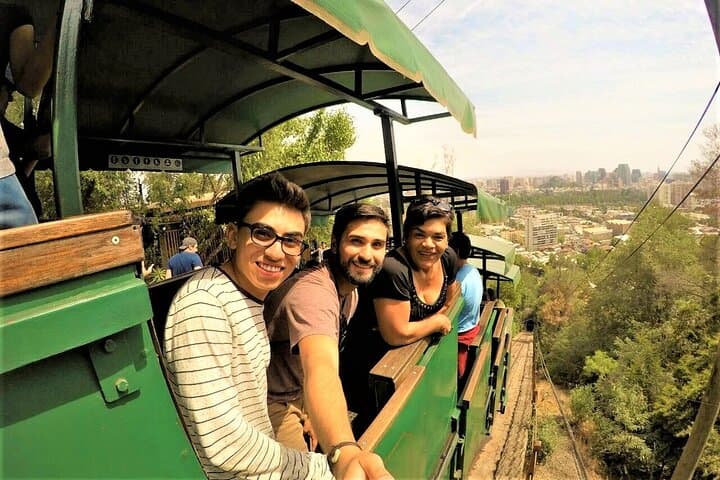
You step off a sun-warmed street into a patchwork of color—murals flaring on brick, cafés humming, and the Andes slicing the horizon like a distant promise.
You step off a sun-warmed street into a patchwork of color—murals flaring on brick, cafés humming, and the Andes slicing the horizon like a distant promise.
This private walking tour threads through Santiago’s foundational spaces: Plaza de Armas’ colonial façades, the bohemian alleys of Bellavista, the cobbled charm of Lastarria, and the landscaped terraces of Cerro Santa Lucía where the city’s 1541 founding still marks the skyline. Geologically, Santiago sits in a tectonic foreland basin at the edge of the Andes, which explains the quick changes in light and the city’s view corridors. Culturally, the route balances high-art institutions and working-class markets—public squares that witnessed political upheavals during the 20th century and now host daily life and public debate.
Your bilingual guide connects street art to social movements, explains La Moneda’s role in modern Chilean governance, and points out architectural cues from European influence to mid-century modernism. You’ll pause for lunch chosen to fit dietary needs—seafood, vegetarian, or regional comfort food—and sample market flavors where locals shop.
Practical guidance: expect six to seven hours of mixed urban walking on pavement and short stair climbs; wear supportive shoes, carry a water bottle, and keep a light layer for wind from the mountains. Bring small local currency for market purchases and a camera for cityscapes—respectful photography is appreciated around protests and memorials. The tour combines immersive storytelling with pragmatic city-savvy tips so you leave with context as well as memories.