THE ADVENTURE COLLECTIVE® · Independent discovery and booking for outdoor travel

Walk through Santiago’s layered history on a private 4-hour tour that combines colonial plazas, bohemian neighborhoods and a panoramic ascent to Cerro San Cristóbal. Ideal for first-time visitors who want local stories, shortcuts and practical tips.
Walk through Santiago’s layered history on a private 4-hour tour that combines colonial plazas, bohemian neighborhoods and a panoramic ascent to Cerro San Cristóbal. Ideal for first-time visitors who want local stories, shortcuts and practical tips.
You step from a narrow Lastarria lane into a plaza where buskers tune guitars and the Andes cut the skyline like a distant wall. Cobbled streets lead to ornate façades, colonial squares and the quiet stairways of Barrio París-Londres; above it all, San Cristóbal’s green dome calls you uphill.
Verified experiences and guided adventures in the surrounding area.
Operated by Chile Travel Adventures · Santiago, Santiago Metropolitan Region
You step from a narrow Lastarria lane into a plaza where buskers tune guitars and the Andes cut the skyline like a distant wall. Cobbled streets lead to ornate façades, colonial squares and the quiet stairways of Barrio París-Londres; above it all, San Cristóbal’s green dome calls you uphill.
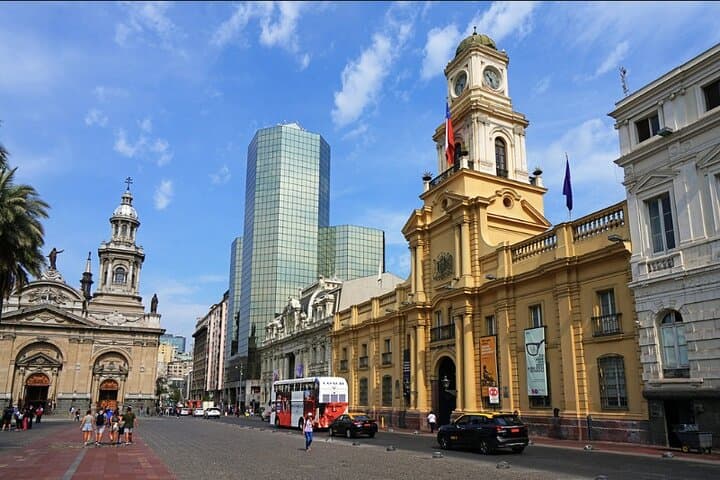
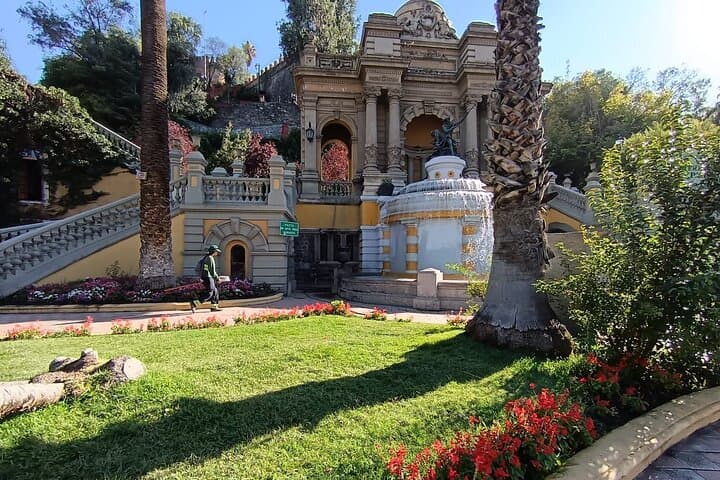
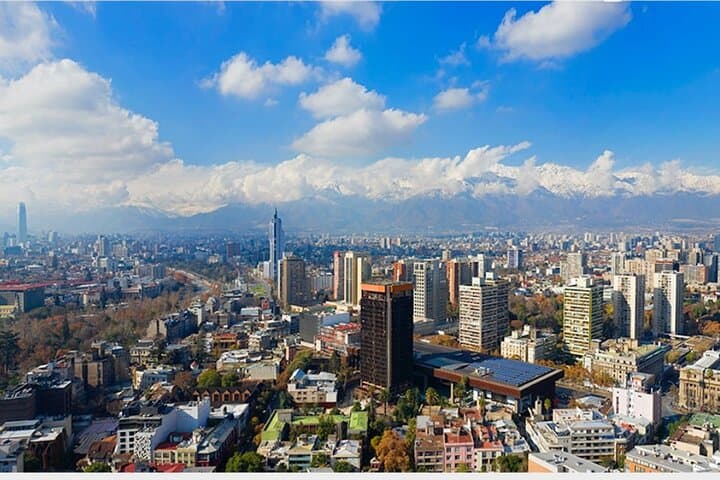
The route threads together Santiago’s layers: Plaza de Armas — founded in 1541 — where colonial stone meets street performance, the stately La Moneda with its modern cultural center, and the leafy promenades of Cerro Santa Lucía, a fortified hill rebuilt in the 19th century. The tour finishes with a climb or cable-car ride to Cerro San Cristóbal, part of the city’s Metropolitan Park, offering sweeping views of urban grids and snow-capped Andes beyond.
Geology here is plain to see: alluvial plains give way to foothill outcrops carved by ancient rivers, while the city’s urban fabric reflects waves of European and indigenous influence. Cultural stops include Lastarria’s galleries and memorials at Londres 38, tying architecture to Chile’s recent history.
Practically: expect 4 hours of mostly flat walking with some uphill sections and steps; comfortable shoes, sun protection and a refillable bottle are essential. Public transport connections at multiple points let you shorten or extend the route. Mid-morning or late afternoon is best for light and cooler temperatures; avoid peak pollution days if possible. Guides provide local snack recommendations (mote con huesillo is a must-try) and can tailor the pace for small private groups.
moderate.
4 hours.
Moderate fitness for walking on mixed urban terrain and some uphill sections; able to climb short flights of stairs.
About 4 hours of mostly flat city walking with several short uphill climbs and stairs; guides can shorten the route using public transport.
Yes—access via funicular, cable car or shuttle is included; admission fee for the lift is typically covered per the tour inclusions.
The tour includes local transport fare and San Cristóbal hill admission; bottled water and a licensed guide are also included.
Generally yes for moderate mobility; not recommended for travelers with spinal or serious walking impairments—contact the operator to adapt pace or use transport options.
Santiago was founded in 1541; many central plazas and government buildings reflect colonial urban planning and later republican architecture.
Metropolitan Park is managed to preserve green space and views; visitors are encouraged to use public transport, stay on trails and avoid single-use plastics.
Chile Travel Adventures operates guided outdoor trips and adventures with an emphasis on safety, stewardship, and memorable experiences.

You step from a narrow Lastarria lane into a plaza where buskers tune guitars and the Andes cut the skyline like a distant wall. Cobbled streets lead to ornate façades, colonial squares and the quiet stairways of Barrio París-Londres; above it all, San Cristóbal’s green dome calls you uphill.
You step from a narrow Lastarria lane into a plaza where buskers tune guitars and the Andes cut the skyline like a distant wall. Cobbled streets lead to ornate façades, colonial squares and the quiet stairways of Barrio París-Londres; above it all, San Cristóbal’s green dome calls you uphill.
The route threads together Santiago’s layers: Plaza de Armas — founded in 1541 — where colonial stone meets street performance, the stately La Moneda with its modern cultural center, and the leafy promenades of Cerro Santa Lucía, a fortified hill rebuilt in the 19th century. The tour finishes with a climb or cable-car ride to Cerro San Cristóbal, part of the city’s Metropolitan Park, offering sweeping views of urban grids and snow-capped Andes beyond.
Geology here is plain to see: alluvial plains give way to foothill outcrops carved by ancient rivers, while the city’s urban fabric reflects waves of European and indigenous influence. Cultural stops include Lastarria’s galleries and memorials at Londres 38, tying architecture to Chile’s recent history.
Practically: expect 4 hours of mostly flat walking with some uphill sections and steps; comfortable shoes, sun protection and a refillable bottle are essential. Public transport connections at multiple points let you shorten or extend the route. Mid-morning or late afternoon is best for light and cooler temperatures; avoid peak pollution days if possible. Guides provide local snack recommendations (mote con huesillo is a must-try) and can tailor the pace for small private groups.