THE ADVENTURE COLLECTIVE® · Independent discovery and booking for outdoor travel

Wander 19 acres of native plants, sculpture and hands-on ethnobotany at the Santa Fe Botanical Garden. This easy, family-friendly walk highlights water-wise landscapes and seasonal wildflowers—perfect for a relaxed morning outdoors.
Wander 19 acres of native plants, sculpture and hands-on ethnobotany at the Santa Fe Botanical Garden. This easy, family-friendly walk highlights water-wise landscapes and seasonal wildflowers—perfect for a relaxed morning outdoors.
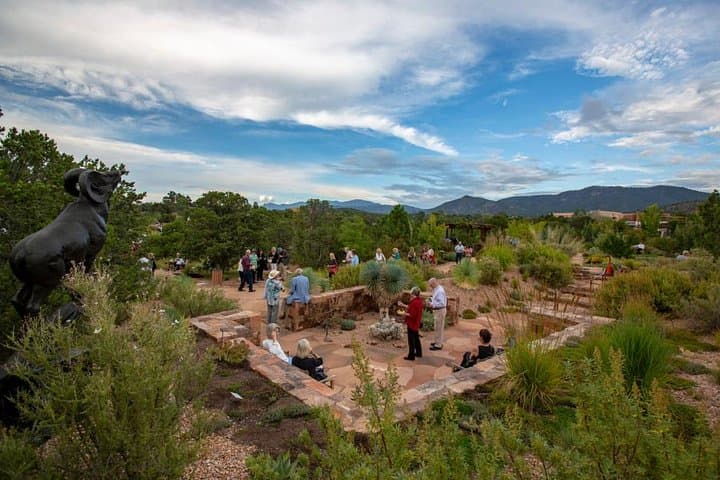
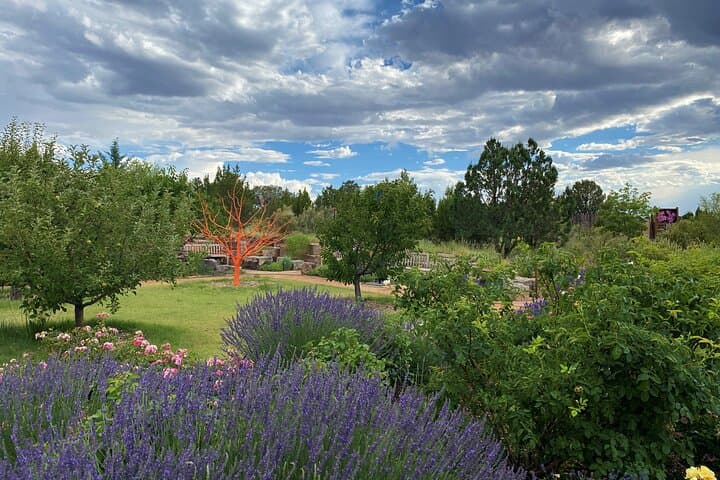
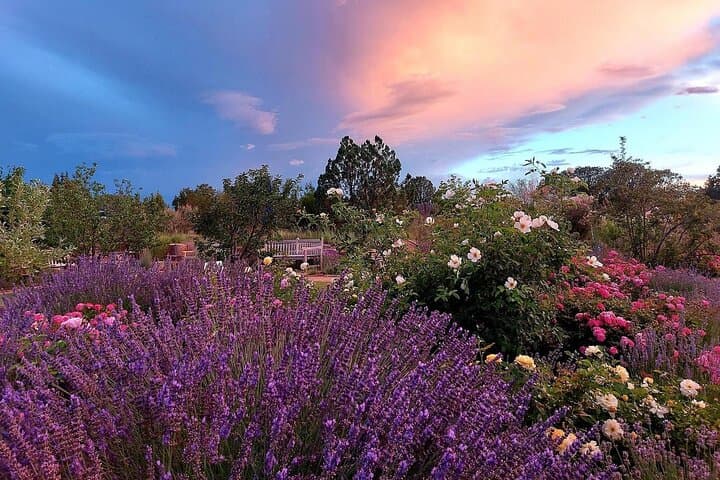
A warm high-desert breeze moves through piñon and juniper as you step from Camino Lejo into 19 acres of deliberate, low-water landscapes. Paths wind past the Orchard Gardens and contemporary native sculpture, carrying the scent of sage and resinous needles; the Meadow Garden catches the light in a way that seems to change by the hour.
Verified experiences and guided adventures in the surrounding area.
Operated by Santa Fe Botanical Garden · Santa Fe, New Mexico
A warm high-desert breeze moves through piñon and juniper as you step from Camino Lejo into 19 acres of deliberate, low-water landscapes. Paths wind past the Orchard Gardens and contemporary native sculpture, carrying the scent of sage and resinous needles; the Meadow Garden catches the light in a way that seems to change by the hour.
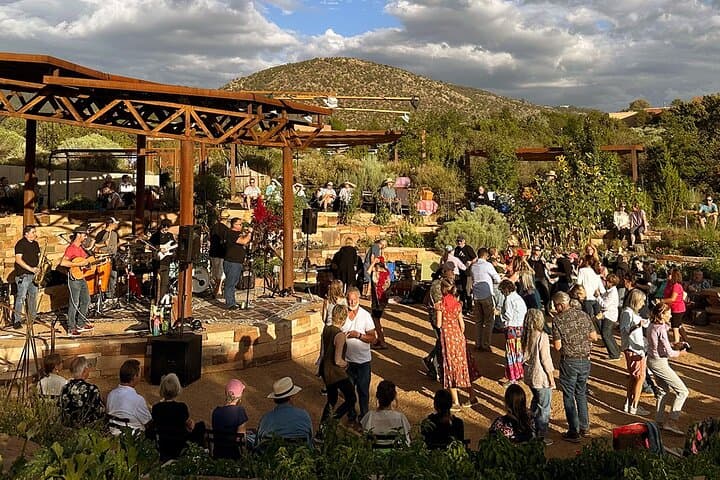
The site sits on land shaped by volcanic tuff and arroyo systems; the Garden’s plantings emphasize Indigenous and regional species adapted to the Sangre de Cristo foothills. The Elements of the Earth art trail riffs on local geology, while Ojos y Manos—Eyes and Hands—offers ethnobotanical displays that highlight traditional uses of native plants. Horno Plaza and Kearny’s Gap Bridge provide small cultural touchpoints: places where community, craft and landscape meet.
Expect easy, mostly level walking on compacted earth and mulch trails with short graded slopes. Interpretive signs explain water-wise planting and the Garden’s role in pollinator support. The atmosphere is family-friendly; children explore the hands-on spaces while photographers chase light across the Meadow.
Practical guidance: arrive mid-morning for cooler air and parking availability, bring sun protection and a refillable bottle—the Garden promotes water conservation—and allow 60–120 minutes for a thorough visit, up to half a day if you linger with a picnic. Paths are stroller- and wheelchair-accessible in many areas; check seasonal displays before you go to catch peak wildflower windows.
easy.
1–8 hours.
Suitable for most fitness levels—mostly level walking with short graded slopes; families and older visitors typically manage fine.
Most visitors spend 60–120 minutes; allow up to half a day if you plan to picnic, photograph, or participate in a scheduled program.
Many trails and exhibits are wheelchair- and stroller-accessible; check with Visitor Center staff on-site for the best accessible route.
Service animals are permitted; other pets are typically not allowed—confirm current pet policy before you visit.
Parking is available on-site; show your mobile or printed ticket to staff at the Visitor Center for direct entry.
The Garden emphasizes regional plant stewardship and ethnobotanical education, highlighting native species historically used by Indigenous communities in Northern New Mexico.
The Garden practices water-wise landscaping and native plant propagation; visitors are encouraged to follow leave-no-trace principles and minimize disturbance to habitats.
Santa Fe Botanical Garden operates guided outdoor trips and adventures with an emphasis on safety, stewardship, and memorable experiences.
A warm high-desert breeze moves through piñon and juniper as you step from Camino Lejo into 19 acres of deliberate, low-water landscapes. Paths wind past the Orchard Gardens and contemporary native sculpture, carrying the scent of sage and resinous needles; the Meadow Garden catches the light in a way that seems to change by the hour.
A warm high-desert breeze moves through piñon and juniper as you step from Camino Lejo into 19 acres of deliberate, low-water landscapes. Paths wind past the Orchard Gardens and contemporary native sculpture, carrying the scent of sage and resinous needles; the Meadow Garden catches the light in a way that seems to change by the hour.
The site sits on land shaped by volcanic tuff and arroyo systems; the Garden’s plantings emphasize Indigenous and regional species adapted to the Sangre de Cristo foothills. The Elements of the Earth art trail riffs on local geology, while Ojos y Manos—Eyes and Hands—offers ethnobotanical displays that highlight traditional uses of native plants. Horno Plaza and Kearny’s Gap Bridge provide small cultural touchpoints: places where community, craft and landscape meet.
Expect easy, mostly level walking on compacted earth and mulch trails with short graded slopes. Interpretive signs explain water-wise planting and the Garden’s role in pollinator support. The atmosphere is family-friendly; children explore the hands-on spaces while photographers chase light across the Meadow.
Practical guidance: arrive mid-morning for cooler air and parking availability, bring sun protection and a refillable bottle—the Garden promotes water conservation—and allow 60–120 minutes for a thorough visit, up to half a day if you linger with a picnic. Paths are stroller- and wheelchair-accessible in many areas; check seasonal displays before you go to catch peak wildflower windows.