THE ADVENTURE COLLECTIVE® · Independent discovery and booking for outdoor travel

Trace nearly 500 years of Salvadoran history through downtown plazas and cathedrals, taste local food at Mercadito de Antiguo, then ascend to El Boquerón’s crater rim for volcanic views—an accessible 5–6 hour cultural and nature loop.
Trace nearly 500 years of Salvadoran history through downtown plazas and cathedrals, taste local food at Mercadito de Antiguo, then ascend to El Boquerón’s crater rim for volcanic views—an accessible 5–6 hour cultural and nature loop.
You step out onto broad avenues where traffic hums and colonial stone meets midcentury concrete, then follow a guide down a pedestrianized stretch of downtown where history is written into façades and plazas.
Verified experiences and guided adventures in the surrounding area.
Operated by Alfredo Avalos - Licensed Tour Guide in El Salvador · San Salvador, San Salvador
You step out onto broad avenues where traffic hums and colonial stone meets midcentury concrete, then follow a guide down a pedestrianized stretch of downtown where history is written into façades and plazas.
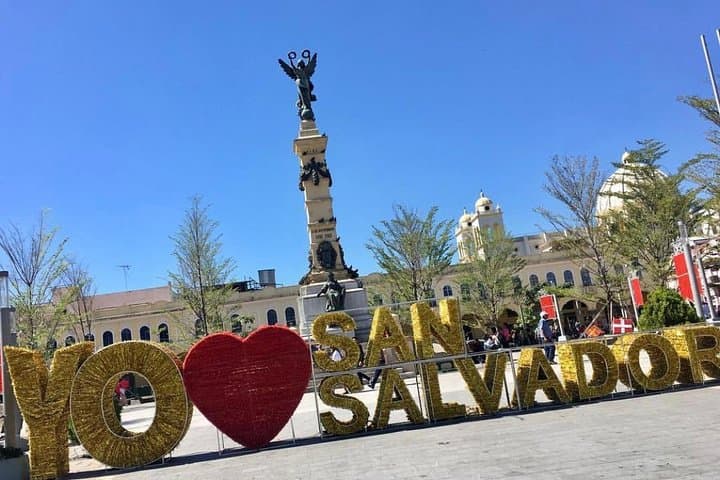
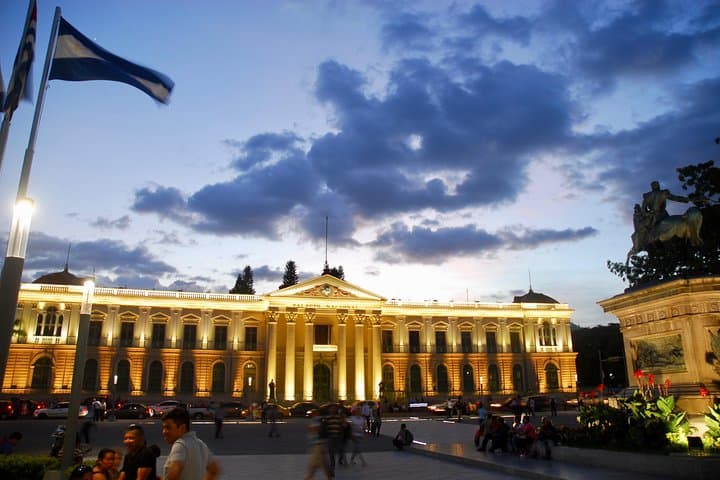
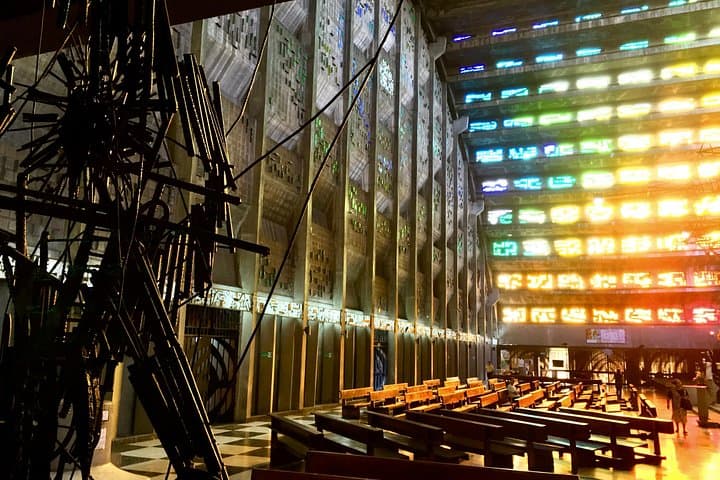
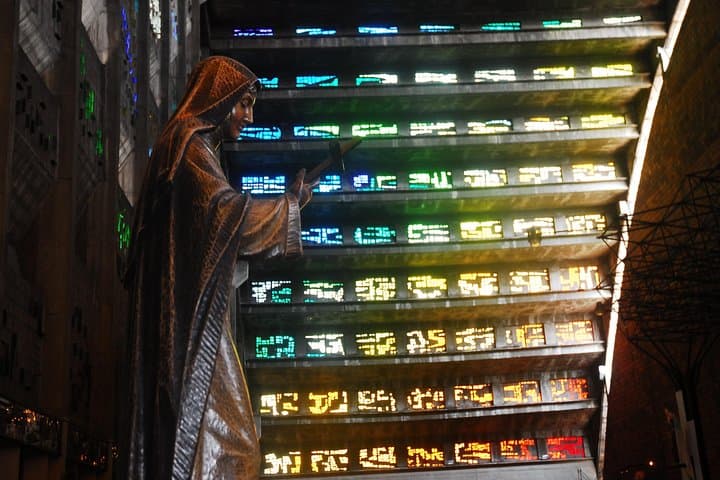
The walk moves from Plaza Libertad — the city’s oldest public square — past the monumental Catedral that guards Óscar Romero’s crypt, and into El Rosario, a brutalist chapel whose gray exterior gives way to a startlingly colorful interior. Each stop folds in a chapter of El Salvador’s past: Spanish foundations in the 1500s, the coffee republic’s wealth shown in neoclassical civic buildings, and the political upheavals of the 20th century.
After a market lunch at Mercadito de Antiguo, where stalls sell home-style pupusas and fresh fruit, the tour climbs toward El Boquerón National Park on the San Salvador volcano. The crater’s rim offers forested trails, moss-damp air and a raw geological reminder that the city sits on volcanic shoulders. The crater often wears clouds like a hood, and when the mist parts the city and surrounding volcanic peaks spill into view.
Practical details: plan a 5–6 hour outing with good walking shoes, sun protection and cash for market purchases. The urban portion is mostly flat; the park section adds short steep sections and uneven volcanic rock. Mornings give the best light and cooler temperatures; afternoon clouds bring a chance of showers. Respect religious sites: modest dress is requested, and small offerings made on your behalf are part of local sustainable-tourism practice.
moderate.
5–6 hours.
Suitable for most visitors who can walk 3–5 miles with short uphill sections; basic stamina for staircases and uneven ground.
The urban portion is wheelchair and stroller accessible, but the crater rim trail includes uneven ground and steps that may limit access.
Yes — the itinerary stops at Mercadito de Antiguo where local vendors offer home-style dishes; bring cash for purchases.
The El Boquerón segment has short uphill stretches and uneven volcanic rock but is not technical; moderate mobility is sufficient.
Admissions to public and private attractions are included as stated, though small optional donations at churches are handled separately.
San Salvador’s downtown grew from a 1545 foundation and expanded during the 19th-century coffee boom, reflected in its neoclassical civic buildings and theaters.
Urban renewal and park restoration aim to protect volcanic green space; visitors are encouraged to minimize waste, stay on trails and support local vendors to sustain the area.
Alfredo Avalos - Licensed Tour Guide in El Salvador operates guided outdoor trips and adventures with an emphasis on safety, stewardship, and memorable experiences.
You step out onto broad avenues where traffic hums and colonial stone meets midcentury concrete, then follow a guide down a pedestrianized stretch of downtown where history is written into façades and plazas.
You step out onto broad avenues where traffic hums and colonial stone meets midcentury concrete, then follow a guide down a pedestrianized stretch of downtown where history is written into façades and plazas.
The walk moves from Plaza Libertad — the city’s oldest public square — past the monumental Catedral that guards Óscar Romero’s crypt, and into El Rosario, a brutalist chapel whose gray exterior gives way to a startlingly colorful interior. Each stop folds in a chapter of El Salvador’s past: Spanish foundations in the 1500s, the coffee republic’s wealth shown in neoclassical civic buildings, and the political upheavals of the 20th century.
After a market lunch at Mercadito de Antiguo, where stalls sell home-style pupusas and fresh fruit, the tour climbs toward El Boquerón National Park on the San Salvador volcano. The crater’s rim offers forested trails, moss-damp air and a raw geological reminder that the city sits on volcanic shoulders. The crater often wears clouds like a hood, and when the mist parts the city and surrounding volcanic peaks spill into view.
Practical details: plan a 5–6 hour outing with good walking shoes, sun protection and cash for market purchases. The urban portion is mostly flat; the park section adds short steep sections and uneven volcanic rock. Mornings give the best light and cooler temperatures; afternoon clouds bring a chance of showers. Respect religious sites: modest dress is requested, and small offerings made on your behalf are part of local sustainable-tourism practice.