THE ADVENTURE COLLECTIVE® · Independent discovery and booking for outdoor travel

Step onto a white plain that blurs sky and earth. This two-day Uyuni tour mixes geological spectacle, salt-harvesting culture and a night in a salt-brick hotel — practical, high-altitude exploration with unforgettable vistas.
Step onto a white plain that blurs sky and earth. This two-day Uyuni tour mixes geological spectacle, salt-harvesting culture and a night in a salt-brick hotel — practical, high-altitude exploration with unforgettable vistas.
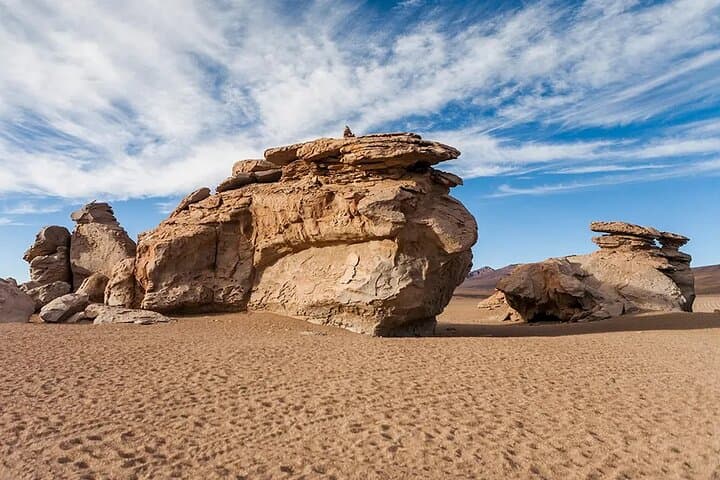
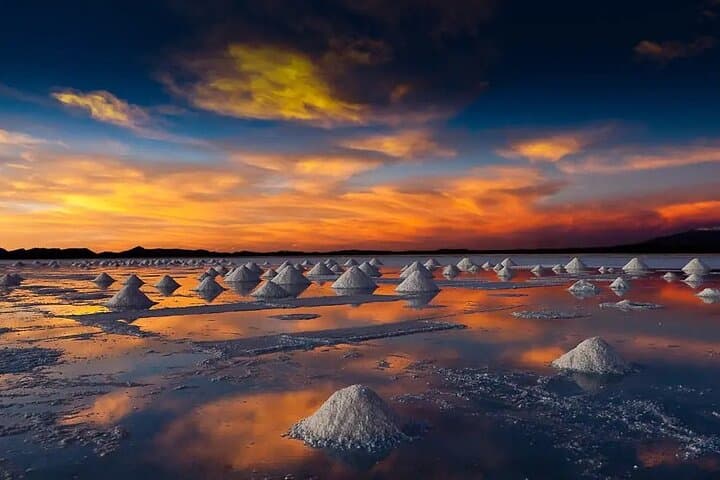
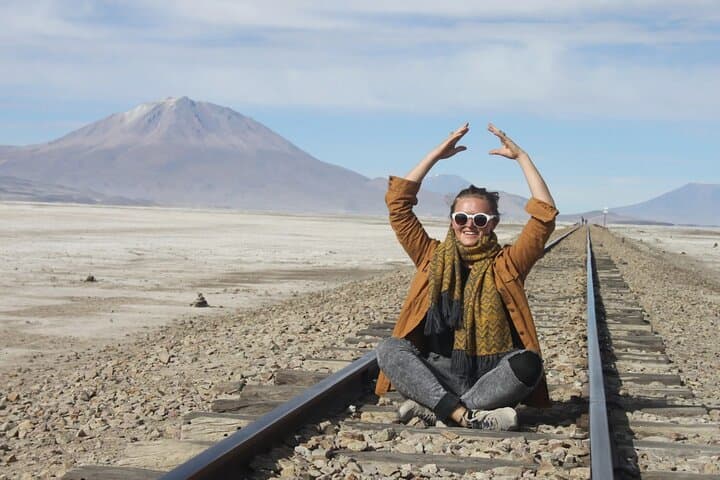
A low sun bleaches the landscape into a wide, reflective plain. When you step from the vehicle the earth crunches underfoot like sugar; the horizon becomes a slow-moving line where sky and salt dare you to choose a side. This two-day loop out of Uyuni takes that white expanse as its stage: a rail graveyard of rusting locomotives, the small salt-working village of Colchani, a hotel built from salt bricks and the volcanic silhouette of Tunupa overseeing the plain.
Verified experiences and guided adventures in the surrounding area.
Operated by Nomadex Bolivia · Uyuni, Potosí Department
A low sun bleaches the landscape into a wide, reflective plain. When you step from the vehicle the earth crunches underfoot like sugar; the horizon becomes a slow-moving line where sky and salt dare you to choose a side. This two-day loop out of Uyuni takes that white expanse as its stage: a rail graveyard of rusting locomotives, the small salt-working village of Colchani, a hotel built from salt bricks and the volcanic silhouette of Tunupa overseeing the plain.
Geology here is blunt and ancient — a remnant of a Pleistocene lake where evaporation left crystalline sheets several metres thick. Human history is visible too: salt harvesting is a generations-old livelihood in Colchani, and the locomotives point to nearby mining routes tied to Potosí’s colonial era. On Day Two, the island of volcanic rock (Incahuasi/Tunupa foothills) presents giant cacti and sketchy colonies of vizcachas; its stony ridges give one of the clearest panoramas over the salar.
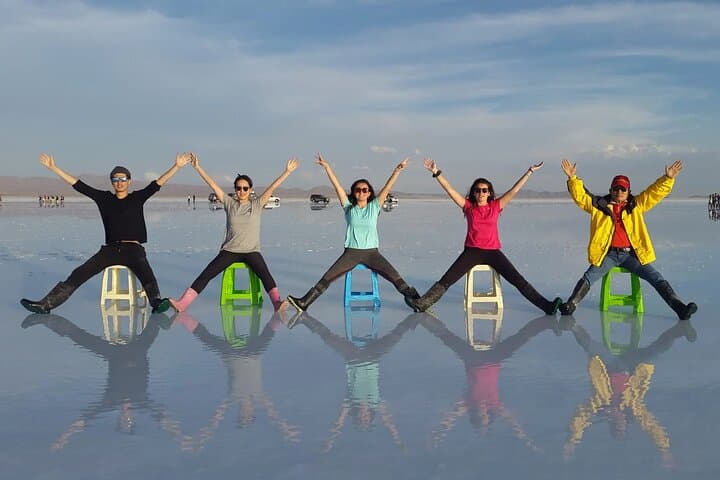
Practical guidance: expect high altitude (around 3,600–3,700 m), cold nights, bright days and variable surfaces — hard crust where vehicles drive, and sticky salt when wet. Bring layered clothing, reliable sun protection and footwear suited for salt and occasional shallow water. Timing matters: the dry season (May–Oct) offers hard walking; the rainy season (Dec–Mar) produces dramatic mirror reflections but limits off-road driving. Night in a salt hotel is a novelty but basic; stay hydrated, move slowly to acclimatize, and plan transfers through Uyuni town where accommodation and flights connect to La Paz and Sucre.
moderate.
24–30 hours.
Moderate fitness required: able to handle short hikes, vehicle transfers and high altitude; some stair/climb to viewpoints.
The salar sits around 3,600–3,700 m above sea level; most visitors feel mild symptoms—headache or breathlessness—so acclimatize, hydrate and avoid rapid exertion the first day.
Salt hotels are structurally sound and unique; rooms are basic and insulated, bedding provided—bring a warm sleeping layer as rooms can be chilly at night.
Yes—December to March brings standing water that creates reflections. Note that some areas become inaccessible and itineraries adapt to conditions.
Pregnant travelers are not recommended for high-altitude tours; children can join but require extra precautions for cold, sun and altitude—check operator policies.
The salar is the remnant of an ancient lake; nearby mining routes and rusted locomotives speak to colonial-era extraction tied to the Potosí silver economy.
Salt-flat ecosystems are fragile—stay on established vehicle tracks where directed, avoid littering and minimize water use to reduce local impact.
Nomadex Bolivia operates guided outdoor trips and adventures with an emphasis on safety, stewardship, and memorable experiences.
A low sun bleaches the landscape into a wide, reflective plain. When you step from the vehicle the earth crunches underfoot like sugar; the horizon becomes a slow-moving line where sky and salt dare you to choose a side. This two-day loop out of Uyuni takes that white expanse as its stage: a rail graveyard of rusting locomotives, the small salt-working village of Colchani, a hotel built from salt bricks and the volcanic silhouette of Tunupa overseeing the plain.
A low sun bleaches the landscape into a wide, reflective plain. When you step from the vehicle the earth crunches underfoot like sugar; the horizon becomes a slow-moving line where sky and salt dare you to choose a side. This two-day loop out of Uyuni takes that white expanse as its stage: a rail graveyard of rusting locomotives, the small salt-working village of Colchani, a hotel built from salt bricks and the volcanic silhouette of Tunupa overseeing the plain.
Geology here is blunt and ancient — a remnant of a Pleistocene lake where evaporation left crystalline sheets several metres thick. Human history is visible too: salt harvesting is a generations-old livelihood in Colchani, and the locomotives point to nearby mining routes tied to Potosí’s colonial era. On Day Two, the island of volcanic rock (Incahuasi/Tunupa foothills) presents giant cacti and sketchy colonies of vizcachas; its stony ridges give one of the clearest panoramas over the salar.
Practical guidance: expect high altitude (around 3,600–3,700 m), cold nights, bright days and variable surfaces — hard crust where vehicles drive, and sticky salt when wet. Bring layered clothing, reliable sun protection and footwear suited for salt and occasional shallow water. Timing matters: the dry season (May–Oct) offers hard walking; the rainy season (Dec–Mar) produces dramatic mirror reflections but limits off-road driving. Night in a salt hotel is a novelty but basic; stay hydrated, move slowly to acclimatize, and plan transfers through Uyuni town where accommodation and flights connect to La Paz and Sucre.