THE ADVENTURE COLLECTIVE® · Independent discovery and booking for outdoor travel

Float beneath cathedral-like chambers and swim in a sunlit sinkhole on a private four-hour cenote tour that visits Sac Actun—the core of one of the planet’s longest underwater cave systems. This small-group experience pairs geology, Maya history, and clear-water snorkeling with private transport from Playa del Carmen or Tulum.
Float beneath cathedral-like chambers and swim in a sunlit sinkhole on a private four-hour cenote tour that visits Sac Actun—the core of one of the planet’s longest underwater cave systems. This small-group experience pairs geology, Maya history, and clear-water snorkeling with private transport from Playa del Carmen or Tulum.
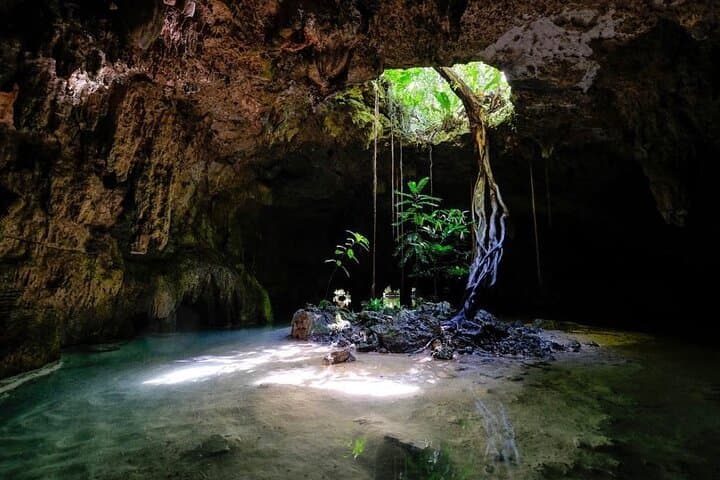
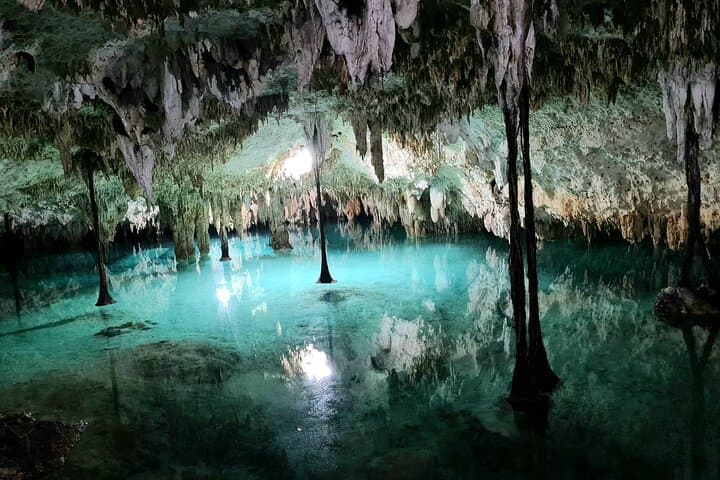
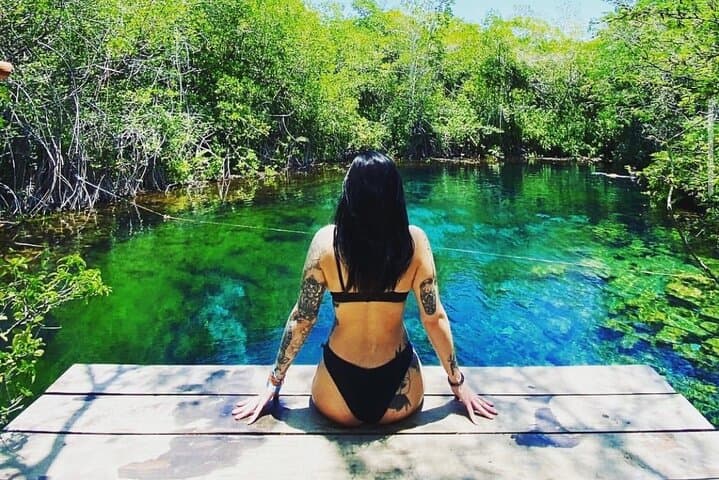
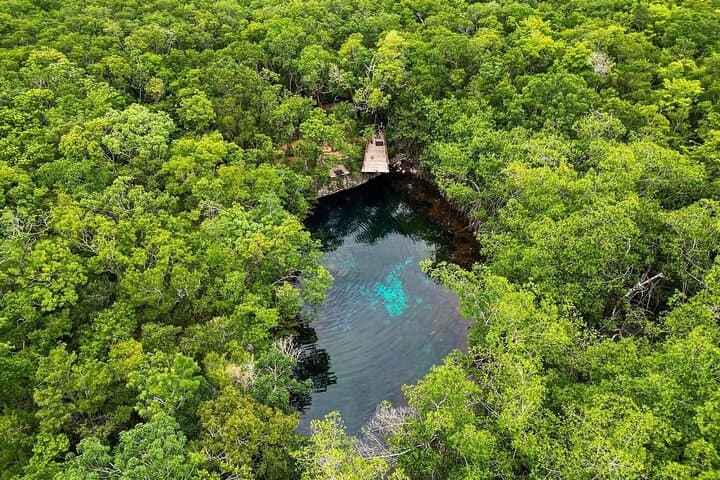
You step from the shaded Maya forest onto a wooden platform and the world below opens as water—green-blue, glass-clear—filling a cavern the size of a small cathedral. A guide fits your snorkel and hands you a lantern; the light catches on mineral curtains and the tips of stalactites. For four hours this private tour unspools two very different cenotes: the cathedral-like tunnels of Sac Actun, part of the world’s longest underwater cave system, and a sunlit open cenote where vegetation leans over placid water.
Verified experiences and guided adventures in the surrounding area.
Operated by Local Travel Mexico · Playa del Carmen, Quintana Roo
You step from the shaded Maya forest onto a wooden platform and the world below opens as water—green-blue, glass-clear—filling a cavern the size of a small cathedral. A guide fits your snorkel and hands you a lantern; the light catches on mineral curtains and the tips of stalactites. For four hours this private tour unspools two very different cenotes: the cathedral-like tunnels of Sac Actun, part of the world’s longest underwater cave system, and a sunlit open cenote where vegetation leans over placid water.
Geology here moves at geological speed. The Yucatán is a limestone plain; rainwater has dissolved passages and pockets for millennia, creating the sinkholes that the Maya named cenotes — literal wells into the aquifer. Sac Actun is connected to an intricate network of flooded caverns; explorers have mapped hundreds of kilometers of passages, and the formations you float beneath are fragile records of those slow chemical processes.
Culturally, cenotes were more than water sources. To pre-Columbian Maya they were portals to the underworld and sites for ritual offerings; modern guides will often pause to explain local names and the reverence these places still command. Outside the water you’ll hear the jungle: howler and spider monkeys moving in the canopy, birds calling across bright green foliage. This private itinerary is timed to keep crowds away—you pick the start time, and transport is included from hotels in Playa del Carmen or Tulum.
Practical details matter. The tour runs about four hours door-to-door, with roughly two hours exploring Sac Actun and an hour at the second cenote; snorkel gear, life jackets, and lanterns are provided. Visibility in the cave is best in the morning when angle and light reduce surface glare; bring a waterproof case for your phone and pack a small dry bag for your towel and wallet.
Safety is straightforward but non-negotiable: follow your guide, don’t touch formations, and avoid applying sunscreen before entering the water—choose a biodegradable, reef-safe option applied after swimming. Because the tour is private, it’s a good option for mixed-ability groups or families; guides can slow the pace, explain features, and point out wildlife. If your idea of travel combines curiosity and careful preparation, a private Sac Actun snorkel clarifies why cenotes remain one of the Riviera Maya’s most compelling natural experiences.
moderate.
4 hours.
Suitable for most travelers comfortable in water and able to handle short stairs and platforms; minimal hiking.
The total experience is about four hours and includes private round-trip transport, entrance fees, snorkel gear, life jackets, lanterns, drinks, snacks, and lunch.
No—this tour is snorkeling-focused. Basic swimming ability is required; guides provide life jackets and will brief you on safety.
Yes—infants and small children can be accommodated and infant seats are available; the private format makes it a good option for families.
Most cenote sites provide simple changing areas and restrooms; your guide can direct you to facilities before you enter the water.
Wear a swimsuit and quick-dry clothes; avoid putting on sunscreen before entering the water—use biodegradable, reef-safe sunscreen after swimming.
For a full refund cancel at least 24 hours before the scheduled departure; cancellations within 24 hours are non-refundable.
Cenotes were central to Maya life and cosmology—canoe-ready caverns provided water and were seen as entrances to the spiritual underworld.
Cenote ecosystems are sensitive; tour operators limit crowding and ask visitors not to use sunscreen in the water to protect aquifer quality and fragile formations.
Local Travel Mexico operates guided outdoor trips and adventures with an emphasis on safety, stewardship, and memorable experiences.
You step from the shaded Maya forest onto a wooden platform and the world below opens as water—green-blue, glass-clear—filling a cavern the size of a small cathedral. A guide fits your snorkel and hands you a lantern; the light catches on mineral curtains and the tips of stalactites. For four hours this private tour unspools two very different cenotes: the cathedral-like tunnels of Sac Actun, part of the world’s longest underwater cave system, and a sunlit open cenote where vegetation leans over placid water.
You step from the shaded Maya forest onto a wooden platform and the world below opens as water—green-blue, glass-clear—filling a cavern the size of a small cathedral. A guide fits your snorkel and hands you a lantern; the light catches on mineral curtains and the tips of stalactites. For four hours this private tour unspools two very different cenotes: the cathedral-like tunnels of Sac Actun, part of the world’s longest underwater cave system, and a sunlit open cenote where vegetation leans over placid water.
Geology here moves at geological speed. The Yucatán is a limestone plain; rainwater has dissolved passages and pockets for millennia, creating the sinkholes that the Maya named cenotes — literal wells into the aquifer. Sac Actun is connected to an intricate network of flooded caverns; explorers have mapped hundreds of kilometers of passages, and the formations you float beneath are fragile records of those slow chemical processes.
Culturally, cenotes were more than water sources. To pre-Columbian Maya they were portals to the underworld and sites for ritual offerings; modern guides will often pause to explain local names and the reverence these places still command. Outside the water you’ll hear the jungle: howler and spider monkeys moving in the canopy, birds calling across bright green foliage. This private itinerary is timed to keep crowds away—you pick the start time, and transport is included from hotels in Playa del Carmen or Tulum.
Practical details matter. The tour runs about four hours door-to-door, with roughly two hours exploring Sac Actun and an hour at the second cenote; snorkel gear, life jackets, and lanterns are provided. Visibility in the cave is best in the morning when angle and light reduce surface glare; bring a waterproof case for your phone and pack a small dry bag for your towel and wallet.
Safety is straightforward but non-negotiable: follow your guide, don’t touch formations, and avoid applying sunscreen before entering the water—choose a biodegradable, reef-safe option applied after swimming. Because the tour is private, it’s a good option for mixed-ability groups or families; guides can slow the pace, explain features, and point out wildlife. If your idea of travel combines curiosity and careful preparation, a private Sac Actun snorkel clarifies why cenotes remain one of the Riviera Maya’s most compelling natural experiences.