THE ADVENTURE COLLECTIVE® · Independent discovery and booking for outdoor travel

A focused visit to the Ruth Bancroft Garden brings you face-to-face with mature succulents, rare cacti and drought-tolerant specimens in a 3.5-acre living collection. Practical tips for timing, accessibility, and what to bring help you plan a relaxed, inspiring outing.
A focused visit to the Ruth Bancroft Garden brings you face-to-face with mature succulents, rare cacti and drought-tolerant specimens in a 3.5-acre living collection. Practical tips for timing, accessibility, and what to bring help you plan a relaxed, inspiring outing.
Step through the low gate and the light changes—the succulents and cacti seem to angle themselves toward the sun, each leaf and spine a small, deliberate architecture. On a clear East Bay morning the Garden’s terraces and gravel paths open like a series of outdoor rooms, offering close-up views of rare agaves, giant aloes and columnar cacti that have matured for decades.
Verified experiences and guided adventures in the surrounding area.
Operated by The Ruth Bancroft Garden · Walnut Creek, California
Step through the low gate and the light changes—the succulents and cacti seem to angle themselves toward the sun, each leaf and spine a small, deliberate architecture. On a clear East Bay morning the Garden’s terraces and gravel paths open like a series of outdoor rooms, offering close-up views of rare agaves, giant aloes and columnar cacti that have matured for decades.
Founded by Ruth Bancroft in the 1970s, the 3.5-acre garden grew from one enthusiast’s collection into a public resource for drought-tolerant plants. The site sits on the western edge of the East Bay foothills in Walnut Creek, where Mediterranean climate and seasonal dry spells shape which plants thrive; many specimens were sourced from similar dry regions worldwide and show how form and function adapt to water scarcity.
The experience balances quiet study and casual recreation: photographers, painters, and families picnic beneath open skies while horticulturists examine specimen growth. Paths are gravel (accessible but not paved) and benches are placed for long looks. Dogs on leash are welcome, and a retail nursery offers plants inspired by the displays.
Practical guidance: allow 60–120 minutes to move slowly, bring sun protection and water, and wear sturdy shoes for gravel surfaces. The Garden is wheelchair-accessible with some uneven surfaces; restrooms and shaded seating are scattered on-site. Check the Garden’s event calendar before visiting—workshops and plant sales change the vibe and crowd size. Arrival early in the day brings softer light and cooler temperatures, and supports a more contemplative visit.
easy.
1–2 hours.
Suitable for most fitness levels; requires light walking on gravel and some gentle slopes
Dogs on leash are welcome; service animals are permitted. Keep pets on designated paths and clean up after them.
Yes—the Garden is wheelchair accessible, though many paths are gravel rather than paved, which can be uneven in spots.
Most visitors spend 60–120 minutes browsing, photographing, and visiting the nursery; plant enthusiasts may stay longer for detailed study.
No food is sold at the Garden, but picnics are welcome—bring everything you need and take trash with you.
Ruth Bancroft established the dry garden from her private collection in the 1970s; she lived to 109 and helped popularize drought-tolerant landscaping in California.
The Garden showcases low-water landscapes and promotes plant conservation through education, propagation, and public outreach to reduce water use in urban landscaping.
The Ruth Bancroft Garden operates guided outdoor trips and adventures with an emphasis on safety, stewardship, and memorable experiences.
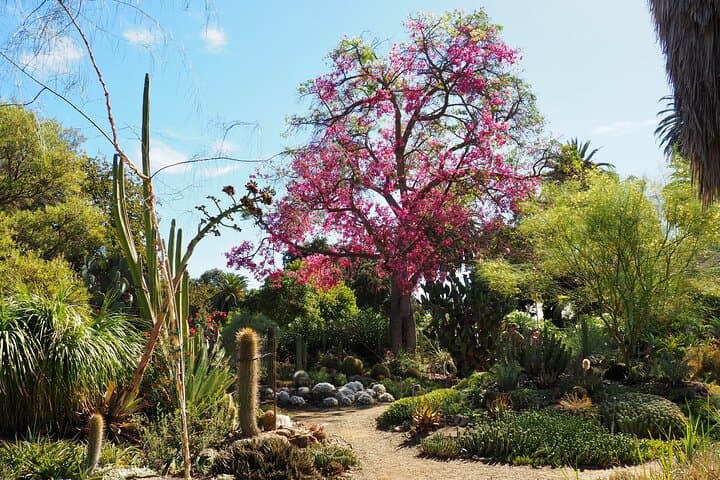
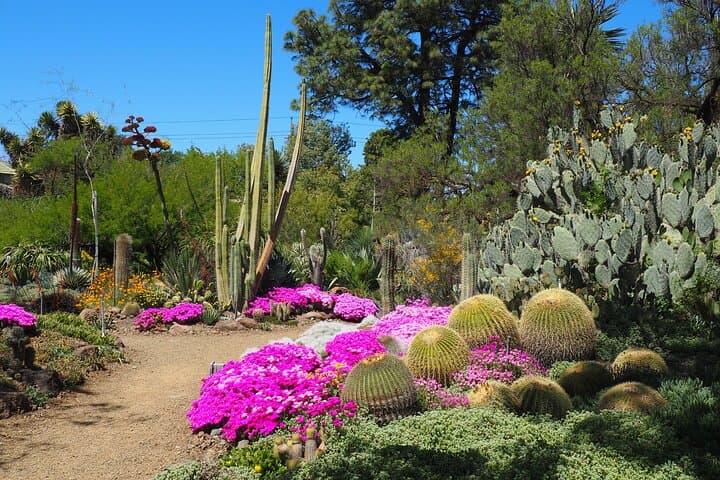
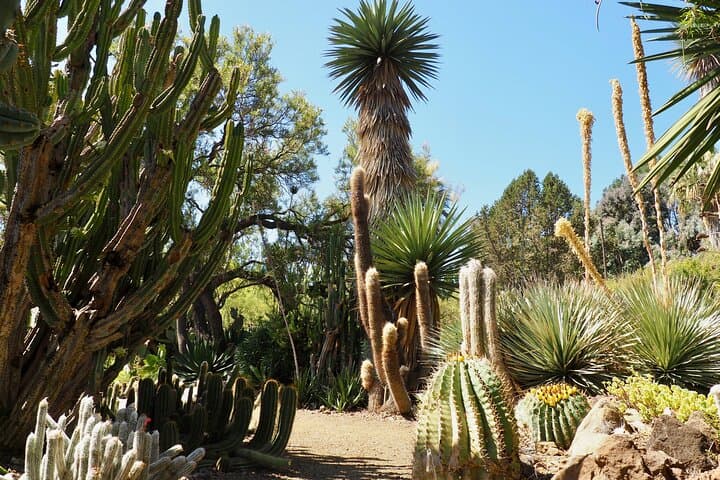
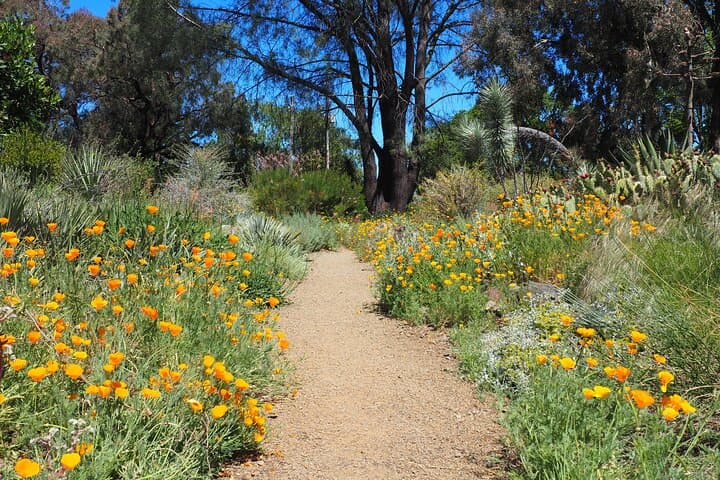
Step through the low gate and the light changes—the succulents and cacti seem to angle themselves toward the sun, each leaf and spine a small, deliberate architecture. On a clear East Bay morning the Garden’s terraces and gravel paths open like a series of outdoor rooms, offering close-up views of rare agaves, giant aloes and columnar cacti that have matured for decades.
Step through the low gate and the light changes—the succulents and cacti seem to angle themselves toward the sun, each leaf and spine a small, deliberate architecture. On a clear East Bay morning the Garden’s terraces and gravel paths open like a series of outdoor rooms, offering close-up views of rare agaves, giant aloes and columnar cacti that have matured for decades.
Founded by Ruth Bancroft in the 1970s, the 3.5-acre garden grew from one enthusiast’s collection into a public resource for drought-tolerant plants. The site sits on the western edge of the East Bay foothills in Walnut Creek, where Mediterranean climate and seasonal dry spells shape which plants thrive; many specimens were sourced from similar dry regions worldwide and show how form and function adapt to water scarcity.
The experience balances quiet study and casual recreation: photographers, painters, and families picnic beneath open skies while horticulturists examine specimen growth. Paths are gravel (accessible but not paved) and benches are placed for long looks. Dogs on leash are welcome, and a retail nursery offers plants inspired by the displays.
Practical guidance: allow 60–120 minutes to move slowly, bring sun protection and water, and wear sturdy shoes for gravel surfaces. The Garden is wheelchair-accessible with some uneven surfaces; restrooms and shaded seating are scattered on-site. Check the Garden’s event calendar before visiting—workshops and plant sales change the vibe and crowd size. Arrival early in the day brings softer light and cooler temperatures, and supports a more contemplative visit.