THE ADVENTURE COLLECTIVE® · Independent discovery and booking for outdoor travel

Walk two hours through Rome's Jewish Ghetto from Trajan's Column to Tiber Island, passing ancient theaters, the Great Synagogue, and the Turtle Fountain. This guided tour mixes history, local food stops, and compact practical advice for an accessible cultural outing.
Walk two hours through Rome's Jewish Ghetto from Trajan's Column to Tiber Island, passing ancient theaters, the Great Synagogue, and the Turtle Fountain. This guided tour mixes history, local food stops, and compact practical advice for an accessible cultural outing.
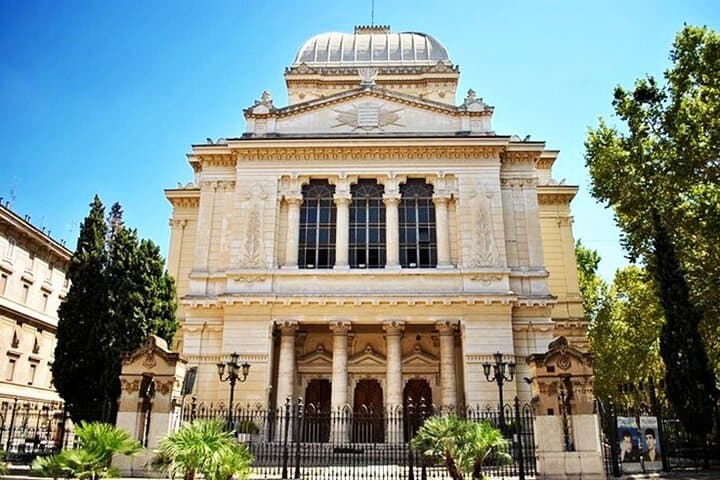
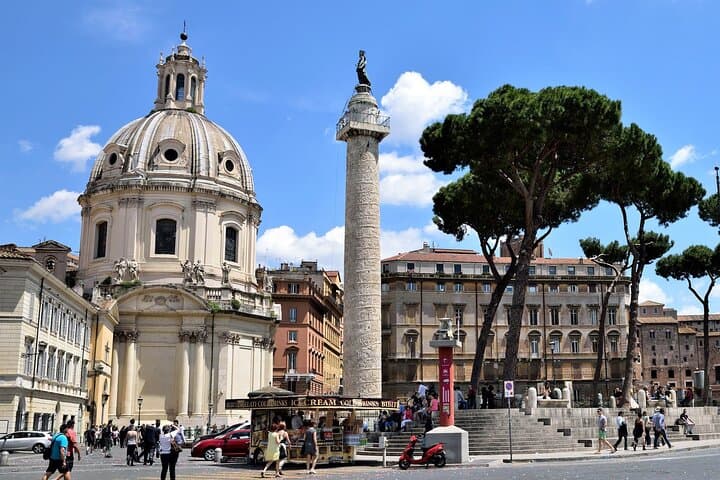
You meet at Trajan's Column with the city already in motion: scooters humming, sunlight slanting off carved stone, and the Tiber threading the old city like a patient hand guiding you south. The next two hours fold through narrow lanes where history leans close — the Theatre of Marcellus's stone face, the Corinthian shadows of the Porticus Octaviae, and the hush that grows as you approach the Great Synagogue.
Verified experiences and guided adventures in the surrounding area.
Operated by CENTURION OF ROME - TOUR EXPERIENCE · Rome, Lazio
You meet at Trajan's Column with the city already in motion: scooters humming, sunlight slanting off carved stone, and the Tiber threading the old city like a patient hand guiding you south. The next two hours fold through narrow lanes where history leans close — the Theatre of Marcellus's stone face, the Corinthian shadows of the Porticus Octaviae, and the hush that grows as you approach the Great Synagogue.
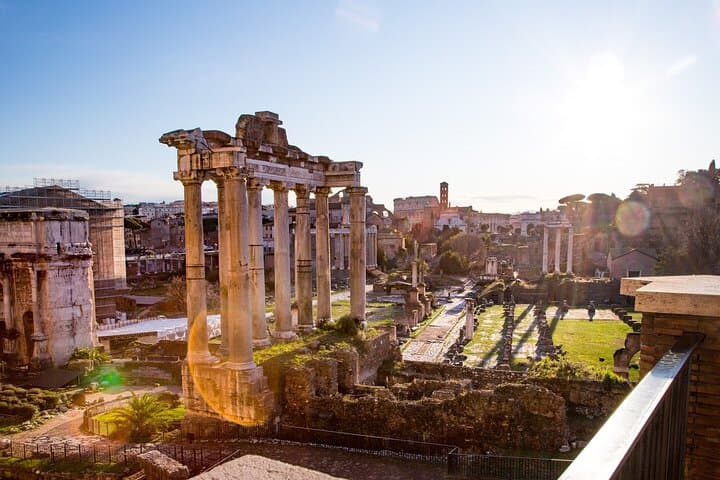
Rome's Jewish Ghetto was formally confined in 1555 under papal decree, but the district's story stretches back to antiquity; its fabric is Roman brick, Renaissance facades, and 20th-century revival architecture. Geology here is the same travertine and tufa that built an empire; walking the streets you feel the city's bedrock beneath centuries of footsteps. Culture is alive in kosher bakeries, a local dialectal flavor, and the synagogue's Moorish-inspired dome that marks resilience as much as faith.
Practical guidance: wear comfortable shoes — cobbles and short stair runs are constant. Bring a light layer for river breezes, and plan for a compact 2-hour window; group sizes cap at about a dozen, so expect a conversational pace with stops at the Turtle Fountain and Tiber Island. Photography is welcomed, but be respectful inside religious sites; entrance fees to the synagogue and Theatre of Marcellus are usually extra. Hydrate, carry small change for small shops, and allow a flexible schedule: in Rome timing shifts and the city rewards a relaxed rhythm.
easy.
2 hours.
Suitable for most fitness levels; able to stand and walk on uneven surfaces for up to two hours
The tour is two hours with a relaxed, conversational pace and short stops at major sites; expect about 1.5–2 miles of walking total.
No; entrance to the Great Synagogue and the Theatre of Marcellus is typically not included and may be paid on site.
Most travelers can participate; infants must sit on laps and the route is stroller-unfriendly on some sections due to cobbles.
Bookings may be moved to another slot the same day for scheduling reasons; maintain time flexibility when booking.
The Roman Ghetto was legally established in 1555; despite centuries of restrictions the Jewish community maintained vibrant trade, cuisine, and religious life centered around the Great Synagogue.
This neighborhood balances heavy foot traffic and living communities; respect local signage, avoid littering, and support small, family-run businesses to keep the area sustainable.
CENTURION OF ROME - TOUR EXPERIENCE operates guided outdoor trips and adventures with an emphasis on safety, stewardship, and memorable experiences.
You meet at Trajan's Column with the city already in motion: scooters humming, sunlight slanting off carved stone, and the Tiber threading the old city like a patient hand guiding you south. The next two hours fold through narrow lanes where history leans close — the Theatre of Marcellus's stone face, the Corinthian shadows of the Porticus Octaviae, and the hush that grows as you approach the Great Synagogue.
You meet at Trajan's Column with the city already in motion: scooters humming, sunlight slanting off carved stone, and the Tiber threading the old city like a patient hand guiding you south. The next two hours fold through narrow lanes where history leans close — the Theatre of Marcellus's stone face, the Corinthian shadows of the Porticus Octaviae, and the hush that grows as you approach the Great Synagogue.
Rome's Jewish Ghetto was formally confined in 1555 under papal decree, but the district's story stretches back to antiquity; its fabric is Roman brick, Renaissance facades, and 20th-century revival architecture. Geology here is the same travertine and tufa that built an empire; walking the streets you feel the city's bedrock beneath centuries of footsteps. Culture is alive in kosher bakeries, a local dialectal flavor, and the synagogue's Moorish-inspired dome that marks resilience as much as faith.
Practical guidance: wear comfortable shoes — cobbles and short stair runs are constant. Bring a light layer for river breezes, and plan for a compact 2-hour window; group sizes cap at about a dozen, so expect a conversational pace with stops at the Turtle Fountain and Tiber Island. Photography is welcomed, but be respectful inside religious sites; entrance fees to the synagogue and Theatre of Marcellus are usually extra. Hydrate, carry small change for small shops, and allow a flexible schedule: in Rome timing shifts and the city rewards a relaxed rhythm.