THE ADVENTURE COLLECTIVE® · Independent discovery and booking for outdoor travel

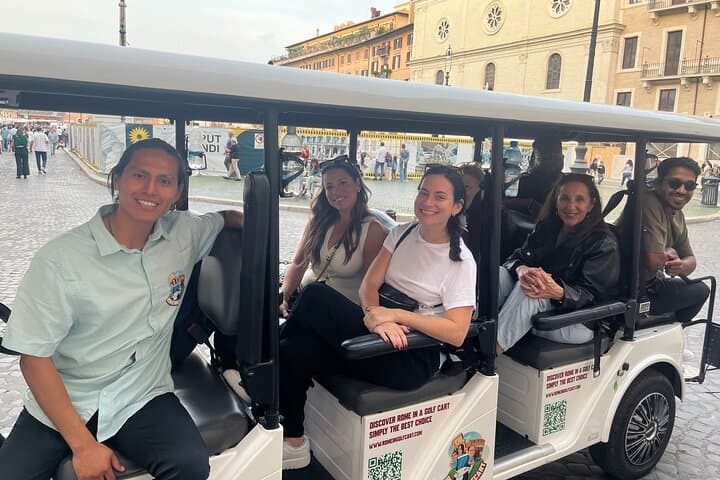
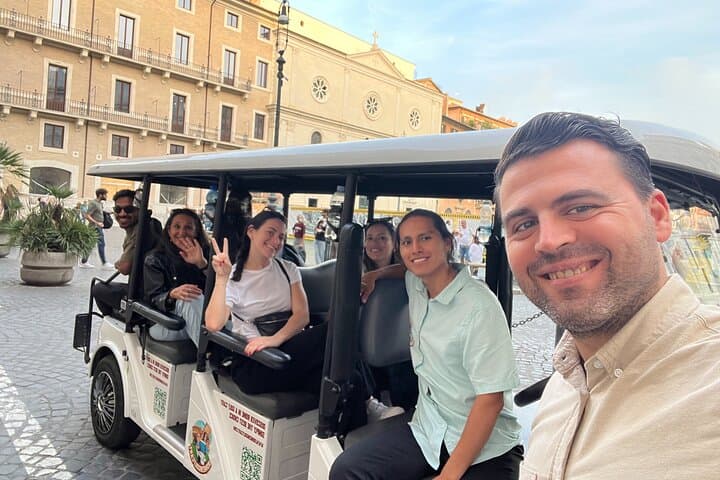
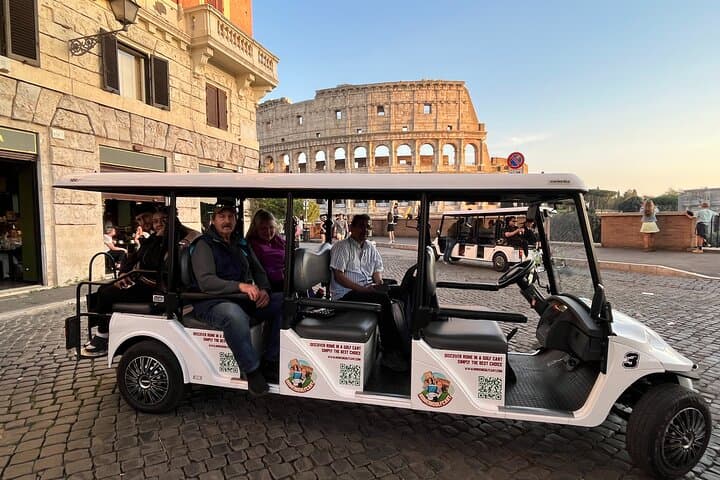
See Rome’s highlights in four hours from an electric golf cart—ideal for travelers who want efficient access to the Pantheon, Trevi Fountain, Trastevere and more without long walks. Expect frequent photo stops, cobbled surfaces, and a local guide who brings the city’s layers of history to life.
See Rome’s highlights in four hours from an electric golf cart—ideal for travelers who want efficient access to the Pantheon, Trevi Fountain, Trastevere and more without long walks. Expect frequent photo stops, cobbled surfaces, and a local guide who brings the city’s layers of history to life.
You pull away from a narrow piazza and the city opens like a map under soft light—the Pantheon’s dome peeks between buildings, a fountain murmurs, and the Tiber nudges the edge of the route. In a compact electric cart you move through spaces closed to normal traffic, trading long walks for quick stops and a local voice narrating the stones and stories.
Verified experiences and guided adventures in the surrounding area.
Operated by DGS Driver Guide Service · Rome, Lazio
You pull away from a narrow piazza and the city opens like a map under soft light—the Pantheon’s dome peeks between buildings, a fountain murmurs, and the Tiber nudges the edge of the route. In a compact electric cart you move through spaces closed to normal traffic, trading long walks for quick stops and a local voice narrating the stones and stories.
Rome’s streets are layered history: travertine blocks quarried since antiquity, Renaissance facades over Roman foundations, and medieval alleys that funnel the city’s daily life. The tour threads past the Pantheon, the Trevi Fountain, the Spanish Steps and Trastevere, with detours into the Jewish Ghetto and quieter viewpoints like the Aventine slope. Guides point out architectural details — marble repairs, papal inscriptions, Baroque waterworks — and explain how Rome’s urban plan grew from empire to modern capital.
Practically, expect frequent photo stops, short walks on cobbles, and occasional scaffolding on façades; some landmarks may be under restoration. The vehicle limits exposure to Rome’s ZTL rules and eases transit between dispersed monuments, but it’s best at cooler parts of the day to avoid traffic and crowds. Bring a light jacket for breezy riverfront stretches, comfortable shoes for quick disembarks, and a fully charged camera—golden-hour light makes narrow lanes glow. The tour is private and guided in English, ideal for travelers who want efficient access to major sights with contextual history without the fatigue of continuous walking.
easy.
4 hours.
Suitable for people of most fitness levels; minimal walking required but some standing and short cobbled walks at stops.
The golf cart reduces walking but accessibility depends on the vehicle model and specific stop surfaces; contact the operator ahead to confirm wheelchair access and any required assistance.
No; the tour provides external viewpoints and guided commentary—admission fees to interior sites like the Pantheon (if applicable) are not included unless specified by the operator.
This is a private tour tailored to your booking size; confirm maximum passengers when reserving to ensure comfort and personalization.
Scaffolding or closures can occur; guides will adapt the route and offer alternative viewpoints and contextual history when façades are inaccessible.
Central Rome’s layout preserves layers from Republican forums to Baroque reworkings—the Pantheon dates to the 2nd century AD and many plazas occupy ancient public spaces.
The electric cart reduces emissions compared with larger vehicles and helps limit pedestrian disruption; travelers should respect restricted zones, avoid littering, and follow guide directions to protect fragile sites.
DGS Driver Guide Service operates guided outdoor trips and adventures with an emphasis on safety, stewardship, and memorable experiences.

You pull away from a narrow piazza and the city opens like a map under soft light—the Pantheon’s dome peeks between buildings, a fountain murmurs, and the Tiber nudges the edge of the route. In a compact electric cart you move through spaces closed to normal traffic, trading long walks for quick stops and a local voice narrating the stones and stories.
You pull away from a narrow piazza and the city opens like a map under soft light—the Pantheon’s dome peeks between buildings, a fountain murmurs, and the Tiber nudges the edge of the route. In a compact electric cart you move through spaces closed to normal traffic, trading long walks for quick stops and a local voice narrating the stones and stories.
Rome’s streets are layered history: travertine blocks quarried since antiquity, Renaissance facades over Roman foundations, and medieval alleys that funnel the city’s daily life. The tour threads past the Pantheon, the Trevi Fountain, the Spanish Steps and Trastevere, with detours into the Jewish Ghetto and quieter viewpoints like the Aventine slope. Guides point out architectural details — marble repairs, papal inscriptions, Baroque waterworks — and explain how Rome’s urban plan grew from empire to modern capital.
Practically, expect frequent photo stops, short walks on cobbles, and occasional scaffolding on façades; some landmarks may be under restoration. The vehicle limits exposure to Rome’s ZTL rules and eases transit between dispersed monuments, but it’s best at cooler parts of the day to avoid traffic and crowds. Bring a light jacket for breezy riverfront stretches, comfortable shoes for quick disembarks, and a fully charged camera—golden-hour light makes narrow lanes glow. The tour is private and guided in English, ideal for travelers who want efficient access to major sights with contextual history without the fatigue of continuous walking.