THE ADVENTURE COLLECTIVE® · Independent discovery and booking for outdoor travel

Leave the crowded piazzas behind for a semi-private, small-group tour that explores Rome’s quieter chapters—the Appian Way, Aventine secrets, a Roman pyramid and the cool tunnels of early Christian catacombs. Short walks, rich history, and local insight with minimal hustle.
Leave the crowded piazzas behind for a semi-private, small-group tour that explores Rome’s quieter chapters—the Appian Way, Aventine secrets, a Roman pyramid and the cool tunnels of early Christian catacombs. Short walks, rich history, and local insight with minimal hustle.
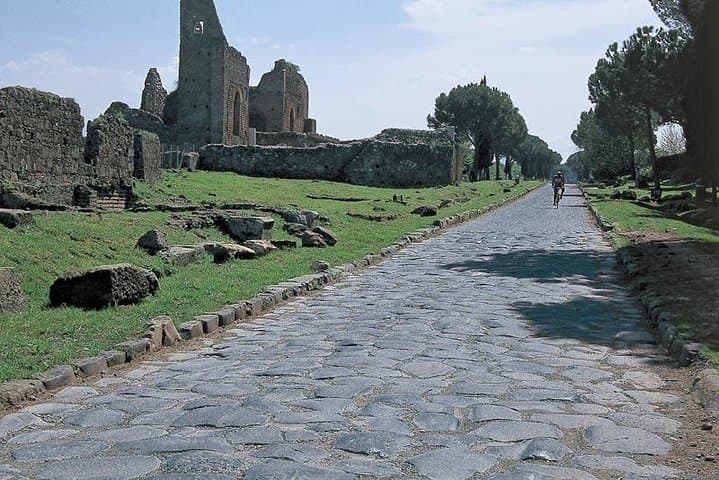
The city falls away from the tour bus noise as you glide through quieter quarters—olive-green pines and the slow, sun-warmed stones of the Appian Way passing like chapters. A small-group, semi-private tour gives you room to breathe: the guide points out a cryptic plaque, the driver eases past a stretch of ancient pavement, and the city’s layered history becomes tactile underfoot.
Verified experiences and guided adventures in the surrounding area.
Operated by Rome First Choice Tours · Rome, Lazio
The city falls away from the tour bus noise as you glide through quieter quarters—olive-green pines and the slow, sun-warmed stones of the Appian Way passing like chapters. A small-group, semi-private tour gives you room to breathe: the guide points out a cryptic plaque, the driver eases past a stretch of ancient pavement, and the city’s layered history becomes tactile underfoot.
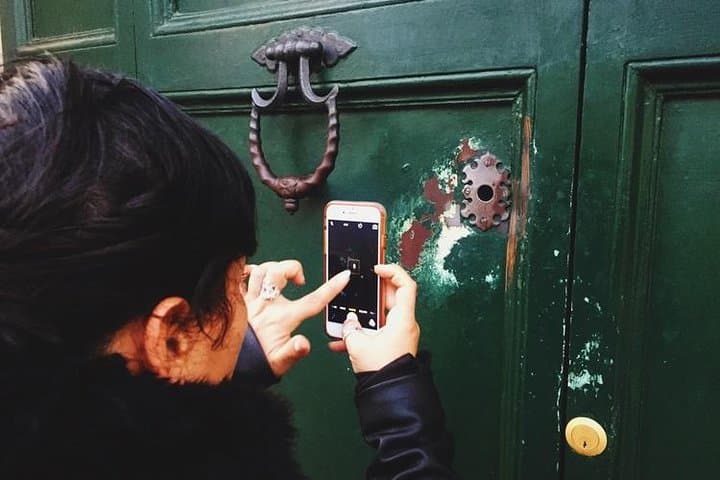
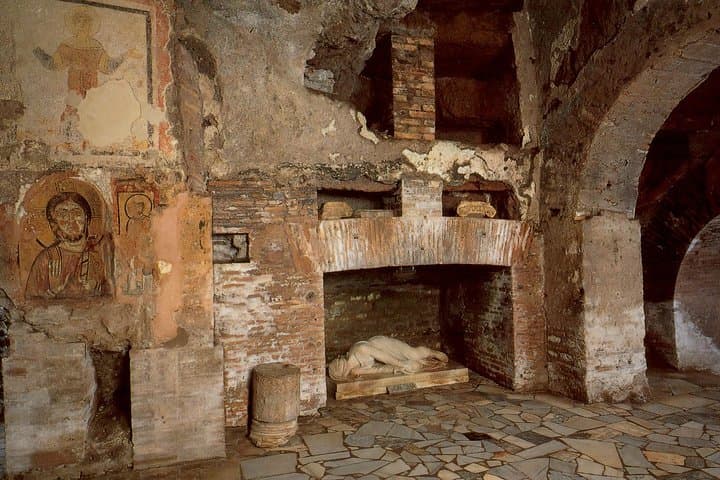
You move from the open, nearly rural feel of the Appian Way—Rome’s original imperial highway, its basalt stones still under some stretches—down into the cool hush of the catacombs, subterranean passages used for Christian burial from the 1st century onward. Nearby, the Aventine Hill offers the famous keyhole view and quiet villas that reflect medieval and Renaissance layers atop Roman foundations. The Pyramid of Cestius and the surviving stretch of Aurelian Walls add funerary and defensive chapters to a route shaped by empire, faith, and urban expansion.
Practical detail: this is low-impact walking with short on-foot segments, but expect uneven ancient paving and narrow underground tunnels during the catacombs visit (the catacombs portion is led by site guides and may join a larger group). Bring sturdy shoes, water, and a light layer for the cool subterranean air. Schedule early or late in the day to avoid midday heat; mornings also offer better light for photographing mossed stones and hidden gardens.
Timing, modest fitness, and respectful behavior in sacred sites make this a revealing way to see Rome’s quieter stories—less sprint through highlights, more time to listen to the city’s long, lived lines.
easy.
2–3 hours.
Light walking fitness; able to stand and walk short uneven sections and descend stairs into catacombs
Expect several short walks at each stop—typically under 45 minutes on foot in total—over uneven surfaces and some stairs into the catacombs.
Admission to the catacombs is arranged on-site and led by the site’s guides; the tour includes access but you may join a larger group for the underground portion.
The tour is family-friendly, but strollers are not practical in catacombs and on rough stretches of the Appian Way—consider a carrier for infants.
Comfortable, closed-toe shoes and a light layer for cooler underground temperatures; modest dress is requested in sacred areas.
The Appian Way was Rome’s first major highway, built in 312 B.C.; the catacombs served as Christian burial networks from the 1st–4th centuries A.D., reflecting early Roman religious life.
Archaeological sites along the route are protected and sensitive to foot traffic—stay on marked paths and avoid touching frescoes or exposed ruins to help preserve them.
Rome First Choice Tours operates guided outdoor trips and adventures with an emphasis on safety, stewardship, and memorable experiences.

The city falls away from the tour bus noise as you glide through quieter quarters—olive-green pines and the slow, sun-warmed stones of the Appian Way passing like chapters. A small-group, semi-private tour gives you room to breathe: the guide points out a cryptic plaque, the driver eases past a stretch of ancient pavement, and the city’s layered history becomes tactile underfoot.
The city falls away from the tour bus noise as you glide through quieter quarters—olive-green pines and the slow, sun-warmed stones of the Appian Way passing like chapters. A small-group, semi-private tour gives you room to breathe: the guide points out a cryptic plaque, the driver eases past a stretch of ancient pavement, and the city’s layered history becomes tactile underfoot.
You move from the open, nearly rural feel of the Appian Way—Rome’s original imperial highway, its basalt stones still under some stretches—down into the cool hush of the catacombs, subterranean passages used for Christian burial from the 1st century onward. Nearby, the Aventine Hill offers the famous keyhole view and quiet villas that reflect medieval and Renaissance layers atop Roman foundations. The Pyramid of Cestius and the surviving stretch of Aurelian Walls add funerary and defensive chapters to a route shaped by empire, faith, and urban expansion.
Practical detail: this is low-impact walking with short on-foot segments, but expect uneven ancient paving and narrow underground tunnels during the catacombs visit (the catacombs portion is led by site guides and may join a larger group). Bring sturdy shoes, water, and a light layer for the cool subterranean air. Schedule early or late in the day to avoid midday heat; mornings also offer better light for photographing mossed stones and hidden gardens.
Timing, modest fitness, and respectful behavior in sacred sites make this a revealing way to see Rome’s quieter stories—less sprint through highlights, more time to listen to the city’s long, lived lines.